Camping is amazing and fun, but dealing with nature’s call can be tricky. It’s not ideal to find places to poop in wilderness areas, but when nature calls, you have to go.
When it comes to poop while camping, knowing the right way to handle it is essential for both hygiene and environmental reasons. Let’s explore practical tips and techniques to responsibly manage this aspect of outdoor living.

While having portable camping toilets would be the best option for taking care of fecal matter while camping, camp toilets aren’t always an option. It’s a good idea to have ideas and outdoor ethics when using the outdoors as your restroom.
Selecting the Perfect Poop Location
It’s super important to find an ideal spot for pooping. A lot of people stress out that they don’t have a toilet seat for their camping trip, but with these best practices, you’ll be pooping in the great outdoors with ease.
Privacy Consideration
When you gotta go in nature, find a quiet spot at least 200 feet away from trails, campsites, or water sources. This way, you’ll have some privacy and won’t bother anyone else. It’s just a good way to keep human waste away from where people hang out.
Respect for Nature
To maintain the ecosystem’s balance, select a spot that won’t harm plant life or wildlife. Respect nature by burying feces in a hole six to eight inches deep, at least.
Preparing Your Outdoor Bathroom
Carry toilet paper, hand sanitizer, and sealable plastic bags to ensure proper waste disposal while camping. That way, when the urge hits, you have everything you need to leave the natural environment just like you found it.
I’m also a big fan of packing wet wipes because they’re so much more efficient than natural toilet paper!
Digging a Cat hole
Use a lightweight camping trowel to dig a cathole to dispose of human waste. This tool helps you dig a hole at least 6-8 inches deep, ensuring proper decomposition and minimizing environmental impact. You can also use a small shovel as well.
Burying human feces in a suitable spot is really the only way to get rid of it in the most efficient way possible.
Maintaining Cleanliness
After using the cathole, cover it with soil to promote decomposition and prevent odors. Remember to use hand sanitizer after handling waste to prevent the spread of germs and maintain personal hygiene.
Affiliate links are used in this post at no extra cost to you. As an Amazon Associate I earn from qualifying purchases. See my Disclosure and Privacy Policy for more info.


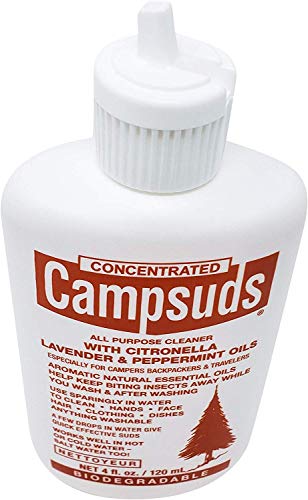

Backcountry Hygiene Practices
Hand Hygiene
Maintaining proper hand hygiene is crucial in the wilderness to prevent illnesses. Always wash hands with biodegradable soap and water, especially after using the bathroom.
Personal Care
Implementing hand sanitization when clean water is scarce can help keep germs at bay during day trips. Use alcohol-based sanitizers with at least 60% alcohol content.
My husband always says that hand sanitizers aren’t actually cleaning your hands, so make sure that you use soap and water for 20 seconds as soon as possible.
Using Outdoor Toilets Effectively
Some remote areas do have outdoor toilets! A toilet can be a better option than a good hole – but most will be pit toilets without any plumbing or water.
Utilize Toilets
When camping, utilize outdoor toilets to minimize environmental impact. These facilities are strategically placed to reduce pollution in the woods.
You may see some at the entrances of trails or in state parks and national parks.
Additional Outdoor Bathroom Tips
Pee Funnels
Consider using pee funnels to stand up while peeing in the backcountry. These devices are designed to allow women to urinate while standing, making it easier and more hygienic to use the bathroom outdoors.
Pee funnels are compact, lightweight, and easy to use, providing a convenient solution for female campers. They can be packed in a bag and stored in a ziplock bag until needed.
Emergency Toilet Options
Consider using a bottle as an emergency toilet option. When you’re in a pinch with no facilities nearby, having a bottle on hand can be a real help. Find a private spot, use the bottle as a temporary toilet, and make sure to dispose of waste properly afterward.

How important is it to select the perfect poop location while camping?
Choosing the right spot for your bathroom needs is crucial to minimize environmental impact and maintain hygiene standards. It helps in proper waste disposal, prevents contamination of water sources, and ensures a pleasant camping experience for yourself and others.
What are some effective backcountry hygiene practices to follow?
Maintaining good hygiene in the wilderness is essential for your health and the environment. Always carry hand sanitizer or biodegradable soap, pack out used toilet paper in a sealable bag, and wash your hands thoroughly after using the outdoor toilet facilities to prevent the spread of germs.
What are some additional tips for using outdoor toilets effectively while camping?
When using outdoor toilets, remember to check for signs of fullness before use, keep the facilities clean for the next person by following proper etiquette, and always close lids tightly after use. Ensure you have supplies like toilet paper or wipes handy before entering an outdoor restroom.
Leave a Reply