Let’s be real: camping can throw curveballs like sudden rain or a twisted ankle. That’s where a solid emergency plan comes in. It doesn’t have to be a binder full of charts. Just smart prep that lets you relax and enjoy the stars.
I’ve tweaked this based on chats with fellow campers who learned the hard way—like the time my buddy’s tent flooded because he skipped the weather check. We’ll cover more ground than most guides, with options for solo trips, families, or groups. Plus, tips to make it feel less like homework and more like a quick win.

Step 1: Map Out Who and Where You’re Going
Start here. No plan survives without knowing your people and place.
Pick your spot with eyes wide open. Check the park’s site for fire bans, bear activity, or flood risks. Apps give real-time updates. For families, scout kid-friendly sites with short trails. Solo? Go for spots near rangers or cell service.
Know your group. Who’s got allergies? Who’s prone to blisters? Chat about fitness levels upfront. If anyone’s got meds like an EpiPen, double up on spares. And always share your itinerary—where, when, who—with a stateside buddy. Text them a pin-drop location. It takes two minutes and could save hours.
Step 2: Gear Up Without Breaking the Bank
Your kit’s the backbone. Think of it as your camping BFF—compact, versatile, ready for action.
Build around the basics, then layer on extras based on your vibe. Here’s a no-fuss list:
- First Aid Must-Haves: Bandages, tweezers, antiseptic wipes, pain relievers, and any prescriptions. Add moleskin for blisters—game-changer on long hikes.
- Weather Warriors: Emergency blanket (those foil ones pack tiny), poncho, and a multi-tool. For cold snaps, hand warmers beat shivering.
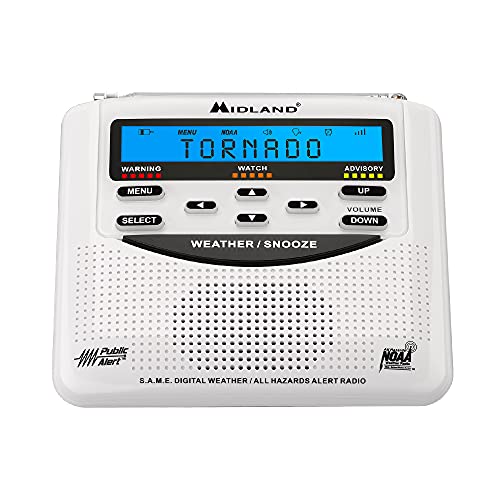
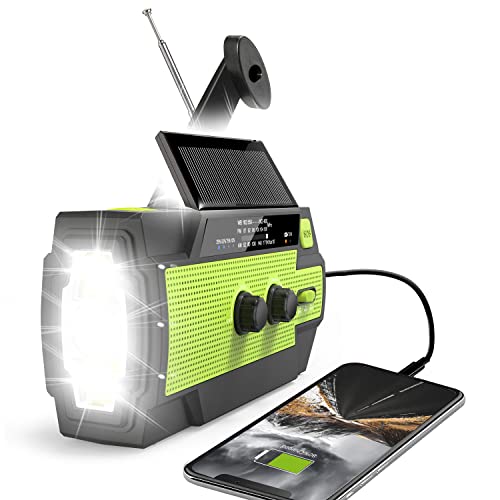
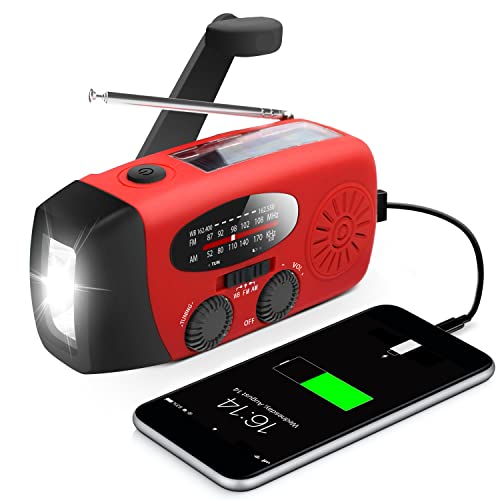
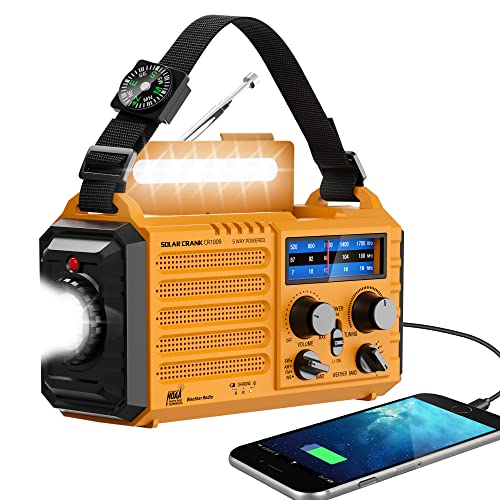
- Stay Found Kit: Whistle, headlamp with extra batteries, and a signal mirror. Phone’s great, but a portable charger or hand-crank radio covers dead zones.
- Sustainers: Water purifier tablets or filter, energy bars (aim for 3 days’ worth), and a fire starter that works wet.
For eco-twists, swap plastic wraps for beeswax ones. Families? Toss in kid distractions like glow sticks. Groups? Divide loads—one person hauls the med kit, another the water gear.
Pro Move: Test it all at home. Strap on the pack, fake a twisted ankle, and see what you grab first. Fixes gaps fast.
Check PriceCheck PriceCheck PriceCheck Price
Step 3: Game-Plan the Curveballs
Emergencies aren’t one-size-fits-all. Break ’em down so you’re not scrambling.
- Lost in the Woods: Buddy system rules—pair up, check in every 30 minutes. If separated, stop. Blow three whistle blasts. Yell “stop” if you hear back. Kids? Teach “hug a tree” and stay put. Adults, mark your spot with bright tape.
- Injury Hits: Assess quick—stop bleeding, splint if broken, keep ’em warm. Call 911 or ranger radio with GPS coords. No service? Hike to high ground or send a runner.
- Weather Gone Wild: Storms? Head low, avoid water. Heat? Hydrate early, rest in shade. Watch for lightning—crouch on low ground, not under trees.
- Wildlife Wake-Up: Bears? Make noise, store food in hangs or canisters. Snakes? Shake boots out, stick to paths. Got a run-in? Back away slow, no sudden moves.
Unique angle: What about gut issues from bad water? Pack anti-diarrheal and learn to spot giardia signs. Or solo panic? Practice deep breaths—inhale four, hold four, out four. Calms the nerves when you’re flying alone.
Relatable Bit: Last trip, a raccoon raided our cooler. Lesson? Hang it high. Laugh it off now, but prep turns oops into stories.


Step 4: Drill It and Review It
Plans gather dust without practice. Make it stick.
Run a mini-drill: Fake a flat tire or signal loss. Time how long to rally. For families, turn it into a scavenger hunt—who finds the first aid fastest? Groups? Role-play a bear scare over s’mores.
After the trip, debrief. What worked? What sucked? Update the kit. Keeps it fresh.
Your Camping Emergency Checklist (Print and Pack)
| Category | Essentials | Notes |
|---|---|---|
| Health | First aid kit, meds, bug spray | Check dates before go-time |
| Navigation | Map, compass, whistle | Offline apps as backup |
| Shelter/Safety | Tarp, emergency blanket, multi-tool | Waterproof everything |
| Food/Water | Purifier, 3-day rations | Ration for the weakest hiker |
| Comms | Charged phone, extra battery | Share emergency contact # |
| Misc | Duct tape, trash bags | Fixes tents, signals help |
Check PriceCheck PriceCheck PriceCheck Price
There you have it—a plan that’s tough but not tedious. Camping’s about connection, not chaos. Nail this, and you’ll sleep soundly under the pines.
Leave a Reply