Camping is an incredible way to unplug, reconnect with nature, and create lasting memories. But to make the most of your adventure, you need the right gear—especially when it comes to your shoes. The right footwear can mean the difference between a fun, comfortable trip and one filled with blisters, soggy feet, or worse.
This guide dives deep into choosing the perfect camping shoes, packed with practical tips, considerations, and expert advice to ensure your feet stay happy on the trail, at the beach, or anywhere your adventure takes you.

Why Camping Shoes Matter
Your shoes are your foundation in the great outdoors. They protect your feet, provide stability, and keep you comfortable during long days of exploration. Poorly chosen shoes can lead to discomfort, injuries, or even ruined trips.
Whether you’re hiking rugged trails, fishing by a river, or lounging at a beachside campsite, the right shoes enhance your experience. Below, we’ll break down everything you need to consider to pick the perfect pair (or pairs!) for your camping trip.
Key Factors to Consider When Choosing Camping Shoes
To select the best camping shoes, consider where you’re going, what you’ll be doing, and the conditions you’ll encounter. Here’s a comprehensive list of factors to guide your decision:
Terrain
The type of terrain you’ll encounter is the biggest factor in choosing your shoes. Different environments demand different footwear:
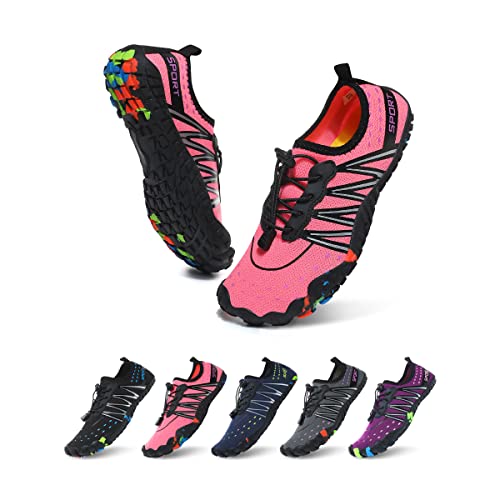
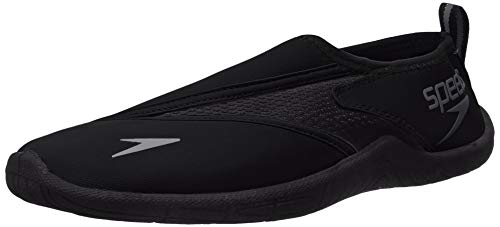
- Sandy or Beach Camping: Lightweight sandals, water shoes, or flip-flops work well for casual beach trips. Look for quick-drying materials and good grip to handle wet surfaces.
- Mountainous or Rocky Trails: Sturdy hiking boots with ankle support and rugged soles are essential for traction and stability on uneven terrain.
- Forested or Wooded Areas: Mid-height hiking boots or trail shoes offer protection from roots, rocks, and uneven ground.
- Mixed Terrains: Consider versatile trail shoes that balance support, breathability, and durability for varied landscapes.
Tip: Research your campsite’s terrain in advance. Check trail reviews or park websites for details on elevation, surface types, and potential hazards.


Activities Planned
Your planned activities will heavily influence your shoe choice. Here’s how different activities pair with footwear:
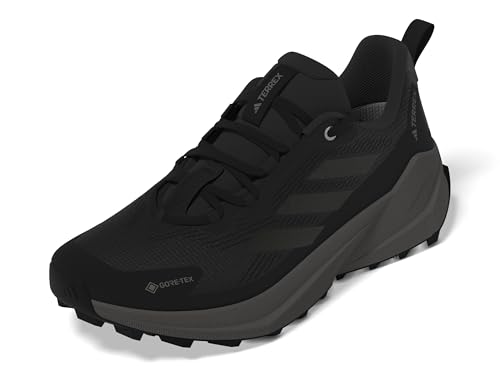
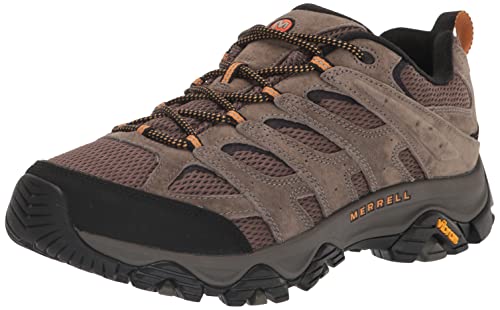
- Hiking: Opt for hiking boots or trail shoes with good arch support, cushioning, and grippy soles. Look for Gore-Tex or similar waterproofing for wet conditions.
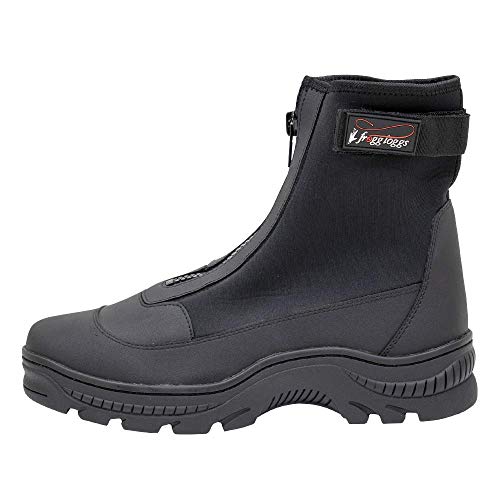
- Fishing: Waterproof or water-resistant boots, like rubber wading boots or quick-drying trail shoes, keep your feet dry near rivers or lakes.
- Biking: Stiff-soled cycling shoes or versatile trail shoes with good grip work well for both pedaling and walking.
- Hunting: High-top boots with durable materials and camouflage patterns provide protection and stealth in rugged environments.
- Casual Camping or Lounging: Lightweight sneakers or sandals are perfect for low-key trips with minimal walking.
- Climbing or Mountaineering: Specialized climbing shoes or mountaineering boots with rigid soles and crampon compatibility are a must for technical terrain.
Tip: If your trip involves multiple activities, consider packing two pairs of shoes to cover all bases, like sandals for lounging and boots for hiking.




Weather and Climate
Weather plays a huge role in footwear choice. Wet, cold, or hot conditions require specific features:
- Wet or Rainy Conditions: Waterproof shoes with Gore-Tex or similar membranes keep your feet dry. Look for breathable materials to prevent sweat buildup.
- Hot and Dry Climates: Breathable trail shoes or sandals with good ventilation prevent overheating and blisters.
- Cold Weather: Insulated, waterproof boots with thick soles protect against frostbite and provide warmth. Pair with wool socks for extra insulation.
- Variable Weather: Versatile, water-resistant trail shoes with moderate insulation work well for unpredictable conditions.
Tip: Check the weather forecast for your destination a few days before your trip and pack accordingly. Always bring extra socks to keep feet dry.


Local Wildlife and Environment
The local ecosystem can influence your shoe choice, especially in areas with specific hazards:
- Snake-Prone Areas: High-top boots with thick materials offer protection from bites. Avoid sandals or low-cut shoes in these regions.
- Insect-Heavy Areas: Closed-toe shoes prevent bites from ticks, mosquitoes, or other creepy crawlies.
- Rocky or Thorny Areas: Durable shoes with reinforced toe caps and thick soles protect against sharp rocks or thorns.
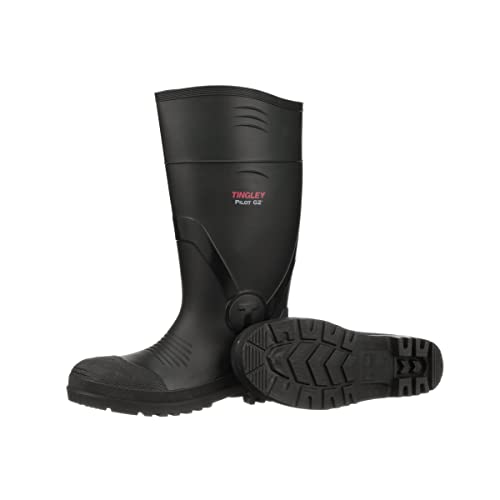
- Muddy or Swampy Areas: Waterproof boots with high cuffs keep mud and water out.
Tip: Research the wildlife and environmental hazards at your campsite. Park websites or ranger stations often provide detailed information.




Comfort and Fit
Comfort is non-negotiable for camping shoes, as you’ll likely be on your feet for hours. Here’s how to prioritize it:
- Proper Fit: Shoes should fit snugly but not tightly, with about a thumb’s width of space at the toe. Try them on with the socks you’ll wear camping.
- Break Them In: Wear new shoes on short walks or hikes before your trip to avoid blisters and discomfort.
- Arch Support and Cushioning: Choose shoes with adequate support for your foot type (e.g., high arches, flat feet) to prevent fatigue.
- Weight: Lightweight shoes reduce fatigue for long hikes, but heavier boots may offer better durability and support for rugged terrain.
Tip: Visit a specialty outdoor store to get fitted for shoes, or use online sizing guides from reputable brands like Merrell, Salomon, or Keen.
Budget
Camping shoes come in a wide range of price points, but you don’t need to break the bank for quality. Here’s how to balance cost and performance:
- High-End Options ($100–$200+): Premium brands like Salomon, La Sportiva, or Arc’teryx offer advanced features like Gore-Tex, Vibram soles, and superior durability.
- Mid-Range Options ($50–$100): Brands like Columbia, Merrell, or Hi-Tec provide solid performance for most casual campers and hikers.
- Budget Options (Under $50): Basic sneakers or affordable hiking shoes from brands like Ozark Trail can work for light camping, but check for durability.
Tip: Look for sales at outdoor retailers like REI, Backcountry, or Amazon, especially during off-season periods like late fall or early spring.



Durability and Materials
Your shoes need to withstand the rigors of the outdoors. Pay attention to materials:
- Leather: Durable and water-resistant but heavier and less breathable. Ideal for rugged hiking boots.
- Synthetic Materials: Lightweight and breathable, often used in trail shoes. Look for reinforced stitching for durability.
- Rubber Soles: Vibram or similar high-traction soles provide excellent grip on wet or rocky surfaces.
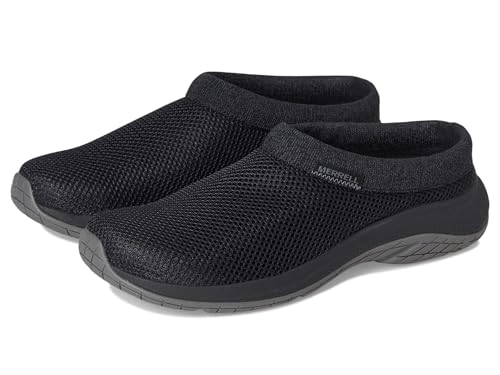
- Mesh Panels: Great for breathability in hot climates but less durable in abrasive environments.
Tip: Check user reviews for insights on how shoes hold up over time, especially for brands you’re unfamiliar with.
Specialty Gear Needs
Some activities require specialized footwear for safety and performance:
- Mountaineering: Stiff, insulated boots with crampon compatibility for snow or ice.
- Water Sports: Water shoes with drainage holes and non-slip soles for kayaking or rafting.
- Hunting: Camouflage-patterned, scent-blocking boots for stealth and protection.
- Backpacking: Lightweight, supportive boots with ample cushioning for carrying heavy loads.
Tip: If you’re new to an activity, consult with experienced campers or guides to ensure you’re choosing the right specialty gear.
Practical Tips for Choosing and Using Camping Shoes
Beyond the main considerations, here are additional tips to make sure your shoes are trip-ready:
- Pack Multiple Pairs: Bring a primary pair for your main activity (e.g., hiking boots) and a secondary pair for camp (e.g., sandals or lightweight sneakers) to let your feet breathe and your main shoes dry out.
- Test Shoes in Advance: Wear your shoes on short walks or day hikes to ensure they’re comfortable and broken in.
- Bring Gaiters: For muddy or snowy conditions, gaiters keep debris out of your shoes and protect your ankles.
- Invest in Quality Socks: Merino wool or synthetic socks wick moisture and reduce blisters. Avoid cotton, which traps sweat.
- Check Traction: Ensure your shoes have grippy soles (e.g., Vibram or lug patterns) for slippery or uneven surfaces.
- Clean and Dry Shoes: After each trip, clean your shoes and let them air dry to prevent odor and material breakdown.
- Consider Insoles: Aftermarket insoles like Superfeet or Dr. Scholl’s can boost comfort and support for long days on your feet.
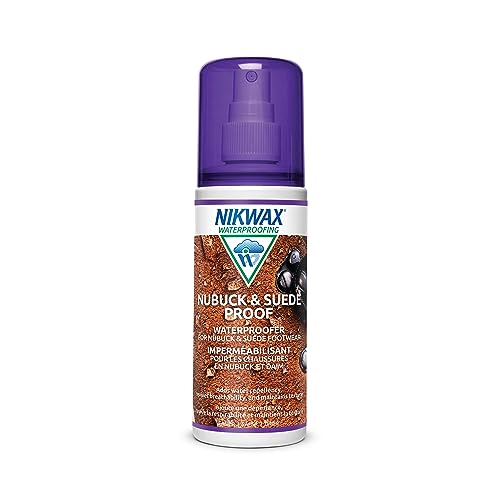
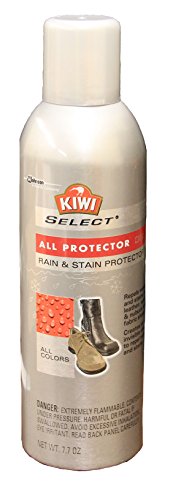
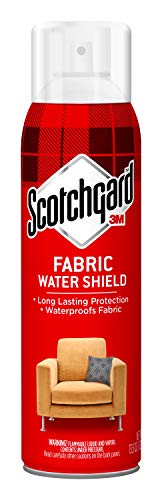
- Waterproofing Spray: Apply a waterproofing spray to non-Gore-Tex shoes for extra protection in wet conditions.
- Know Your Foot Type: Flat feet, high arches, or wide feet may require specific shoe designs. Consult a podiatrist if you have chronic foot issues.
- Plan for Swelling: Feet can swell during long hikes, so choose shoes with a bit of extra room or adjustable laces.


Common Mistakes to Avoid
- Buying Shoes Without Trying Them On: Always test shoes with the socks you’ll wear and walk around to check fit.
- Ignoring Waterproofing Needs: Wet feet lead to blisters and discomfort, so prioritize waterproofing for wet environments.
- Choosing Style Over Function: Trendy sneakers might look cool but may lack the support needed for rugged terrain.
- Not Breaking In Shoes: New shoes can cause blisters if not worn in before a big trip.
- Overlooking Weight: Heavy boots can tire you out on long hikes, so balance durability with weight.



Choosing the right camping shoes doesn’t have to be overwhelming. By considering the terrain, activities, weather, and your personal needs, you can find footwear that keeps you comfortable and safe.
Don’t skimp on quality—your feet will thank you after a long day on the trail. Pack smart, break in your shoes, and get ready to enjoy the great outdoors with confidence!
Leave a Reply