Ever wondered how to handle nature’s call while camping? Mastering peeing outside is a crucial skill for any outdoor enthusiast. Knowing the basics can make or break your camping experience, from finding the right spot to maintaining privacy.
In this post, we’ll walk you through essential tips and tricks to pee outside when nature calls in the great outdoors. Stay discreet, environmentally conscious, and comfortable during your next camping adventure.

We’ve all been there at some point in time. Looking for a good solution for going to the bathroom in nature. This has happened to me after a long hike or when I woke up in the middle of the night.
After years of camping experience, here are a few tips on emptying a full bladder while camping or on a wild camping trip.
Why Pee Outside?
Sometimes, you don’t have a choice. I’m all about peeing in nature rather than using vault toilets or some of the unclean toilets at campgrounds.
The practice also fosters a sense of freedom and connection with nature, making the camping experience more authentic.
Choosing the Right Spot
When selecting a spot to pee outside, prioritize privacy, ground slope, and support options. Opt for an area where you feel comfortable and can maintain privacy. Ensure that the ground slopes away from you to prevent any unwanted flow back towards your location. (you don’t want wet feet!)
Using a Pee Funnel
Using a pee funnel offers numerous benefits for outdoor peeing. This tool allows for easier and more convenient urination while camping.
Women, in particular, can benefit from a pee funnel as it enables them to pee standing up, providing a hygienic and comfortable experience. To use a pee funnel effectively, position it securely and ensure a proper seal to prevent any leaks or mess.
Affiliate links are used in this post at no extra cost to you. As an Amazon Associate I earn from qualifying purchases. See my Disclosure and Privacy Policy for more info.


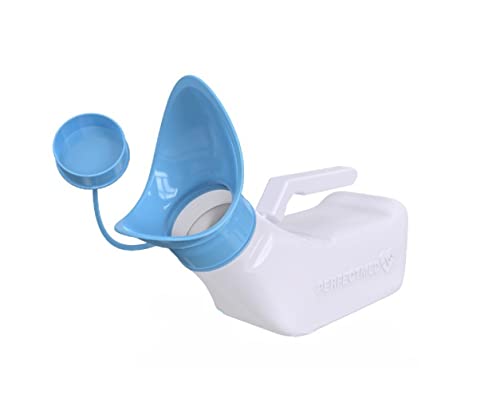

The Pee Bottle Method
Plastic bottles are a convenient way to urinate outdoors without the need to venture far from your camping spot. It provides a discreet solution for peeing outside, especially during nighttime or inclement weather.
To use a pee bottle correctly, have a designated bottle with a secure lid to avoid spills and odors. Empty the bottle at an appropriate location following environmental guidelines.
The Squat
This is the classic method. Find a private spot, get in the squat position, and go. It’s pretty straightforward and works well for most people.
The Lean
Find a sturdy tree, rock, or other object to balance on. Lean your back against it and squat slightly. This can be a bit easier on the legs than a full squat.
The Stand
Guys often find this method easiest. Find a tree or bush for some privacy, unzip, and go. Simple as that.
The Privacy Tent
Some campers bring along a small pop-up privacy tent. It gives you an enclosed space and can double as a shower tent.
The Dig and Cover
For environmentally-conscious campers, dig a small hole with a trowel, pee into it, and then cover it up. This helps minimize the impact on the environment.
The Bush
Find a dense bush for extra privacy. It can act as a natural screen and help you feel less exposed.
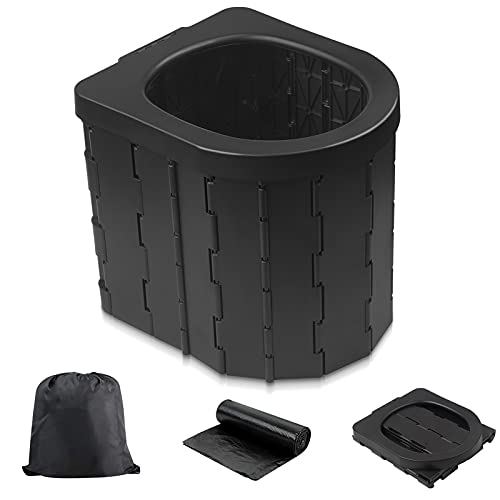
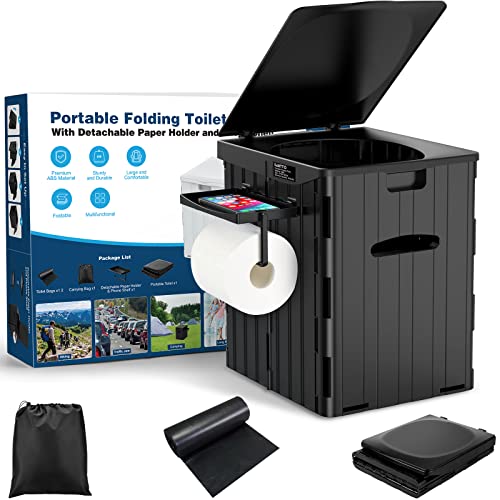
Portable camping toilet
You can take your own toilet or potty bucket to do your thing. This is a great way to have a sort of camping toilet seat for littles to sit on as well.



Why do I pee on myself when squatting?
Unfortunately, this is common for females! Make sure that you have a wide stance when you’re squatting, or you’ll likely end up with a little bit of pee on you. You need to make sure that you’re in a deep squat and that you’re not peeing the wrong way on a hill.
Taking care of business in the grass is a good idea, but be aware of poison ivy! You can also lean your back against a tree which might be the easiest way to hold yourself up while squatting.
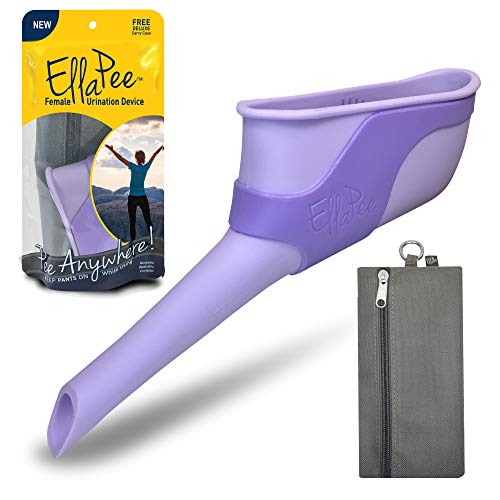
What is a female urination device?
A female urination device (FUD) is a tool that allows women to urinate while standing up. These devices are especially handy for outdoor activities like camping, hiking, and festivals, where access to clean and private restrooms might be limited. FUDs come in various shapes and materials, but all serve the same basic function.
Here are some common types and features of FUDs:
- Funnel-Shaped: Most FUDs are funnel-shaped to channel urine away from the body. Popular brands include the Shewee, GoGirl, and Pibella. These are usually made from medical-grade silicone or hard plastic.
- Disposable vs. Reusable: Some FUDs are designed for single use and can be disposed of after use, while others are reusable and can be cleaned and stored for future use.
- Collapsible: Some FUDs are collapsible or foldable, making them easy to pack and carry.
- Extender Tubes: Certain models come with extender tubes for better aim and to keep urine further away from your body and clothing.
Using an FUD typically involves:
- Positioning the device against your body.
- Ensuring a snug fit to prevent leaks.
- Aiming the device away from your feet and clothing.
- Relaxing and urinating into the device, which then directs the flow away.
FUDs can be a game-changer for women in outdoor or travel situations, providing convenience and hygiene when traditional bathrooms aren’t available.


Using a pee rag
A pee rag, also known as a pee cloth or hygiene cloth, is a reusable piece of fabric used as an alternative to toilet paper for women to wipe after urinating outdoors. It’s a sustainable option that reduces waste!
Here’s how a pee rag typically works:
- Material: Pee rags are usually made from soft, absorbent, and quick-drying materials like microfiber or flannel. Some are double-sided, with one side for wiping and the other for handling.
- Usage: After peeing, you use the pee rag to pat yourself dry. The fabric is gentle on the skin and absorbs moisture well.
- Cleaning: After each use, the pee rag can be rinsed out with water and hung to dry. Many come with a loop or snap for easy attachment to your backpack or belt, allowing it to dry in the sun.
- Hygiene: To keep the pee rag sanitary, washing it regularly with soap and water is important. Some people carry two rags to rotate them while one is cleaned and dried.


Tips for dealing with human waste
Handling human waste properly when camping is crucial for hygiene, health, and environmental preservation. Here are some tips to manage it effectively:
- Cat Hole: Dig a small hole, about 6-8 inches deep and 4-6 inches wide. Use a trowel to make this easier.
- Location: Your cat hole should be at least 200 feet away from water sources, trails, and campsites.
- Cover: After using the cat hole, cover it with the excavated soil and natural materials like leaves and twigs.
- Biodegradable Toilet Paper: Use biodegradable toilet paper and bury it in the cat hole or pack it in a sealed plastic bag.
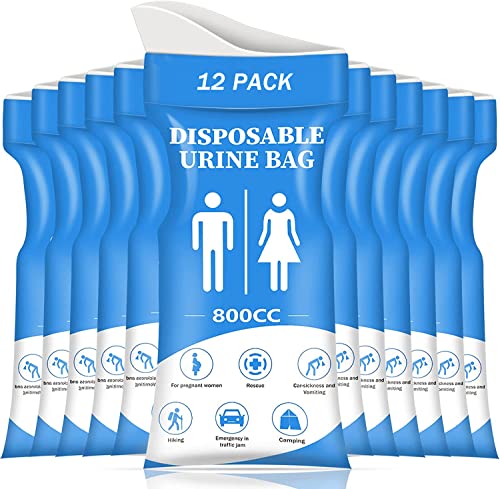
- Pack Out: In some sensitive environments (like deserts, alpine areas, or heavily used sites), human waste must be packed out in specialized bags like WAG bags (Waste Alleviation and Gelling).
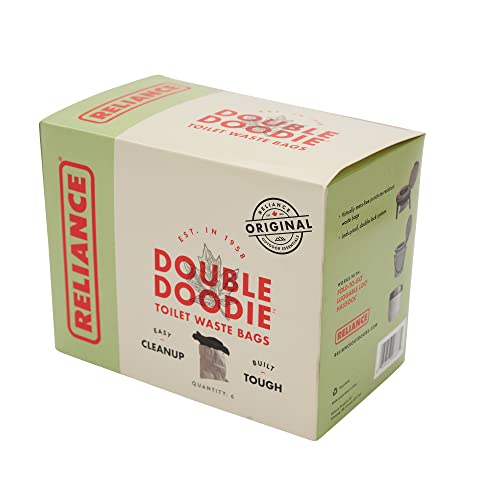


- Dog poo bags: A lot of people use these or similar products so that they can remove their waste when they leave. Also, pack wet wipes as the best way to wipe and stay clean.


General Tips
- Hand Hygiene: Always wash your hands with soap and water or use hand sanitizer after handling human waste.
- Leave No Trace: Follow the Leave No Trace principles. Respect wildlife and other campers.
- Environmental Regulations: Be aware of and follow local regulations and guidelines for waste disposal in your camping area.
Nighttime Solutions
When camping, finding a hidden area to pee at night is crucial for privacy and safety. Pack a flashlight to navigate in the dark and wearing closed-toe shoes can prevent accidents while peeing outside at night!
Are there any special considerations for females when peeing outside during camping?
Females should practice squatting low to the ground to avoid splashing and consider using female-specific urination devices for convenience. It’s essential to pack out used hygiene products in waste bags to leave no trace.
Leave a Reply