Learning how to refill the fresh water tank during camping is important! The last thing that you want to have to happen is to be camping and realize that you’re out of water or can’t find a place to fill up. Learn how to fill the RV water tank with fresh water in a safe and easy way.
Here are some great tips on how to find a fresh water source and some common questions about filling your RV’s fresh water tank.
Affiliate links are used in this post at no extra cost to you. As an Amazon Associate I earn from qualifying purchases. See my Disclosure and Privacy Policy for more info.
It’s a good idea to understand the value fresh water tanks can bring to your RV water system. Dry camping is quite popular but living the RV lifestyle proves that you want to have options to fill your RV’s freshwater tank at any given point in time.
With the recent popularity of state parks, using your own fresh water can help obtain hard-to-get reservations by allowing the use of basic campsites.
While some campers are looking for ways to save money, and not carrying the extra water weight is a tactic used in hopes of saving on gas, if you are not familiar with the fresh water options at your camping destination, it could be worth the small fee of transporting your own fresh water.
While camping, one of the most important things to be aware of is your water supply. It is recommended that you bring along at least 1 gallon of water per person per day.
If you are unsure about the quality of the water at your campsite, you can always bring along water purification tablets or a filter. Better to be safe than sorry!
Check PriceCheck PriceCheck PriceCheck PriceCheck Price


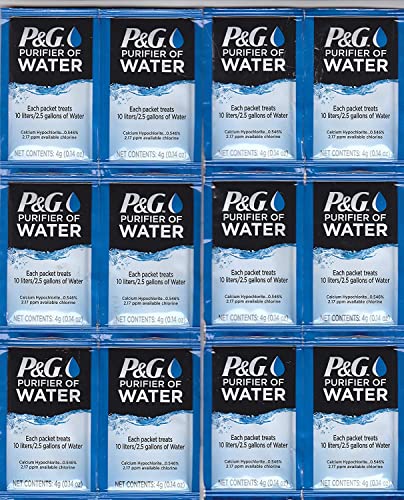


When it comes to refilling your water supply, there are a few things to keep in mind.
How can I tell if a water source is safe to drink from?
The best way to determine if a water source is safe to drink from is to check with the local environmental health department or look for posted signs at the site.
If you are unsure, it is always better to err on the side of caution and purify any water that you collect before drinking it.
What are some ways to purify water?
Several methods can be used to purify water, including boiling, filtering, and using water purification tablets. For boiling, bring the water to a rolling boil for at least one minute.
For filtering, use a filter that is designed to remove bacteria and viruses, such as a 0.2 micron absolute filter.
Water purification tablets are another option, but they must be used according to the manufacturer’s instructions, and they can leave an unpleasant taste in the water.
Check PriceCheck PriceCheck PriceCheck PriceCheck Price
Is it safe to drink rainwater?
In general, rainwater is safe to drink, although you may want to purify it first if it has been collected in an area where there is a potential for contamination (such as near livestock).
If you are collecting rainwater from a roof, be sure that the roof material is clean and non-toxic (such as metal or ceramic).

Where to find fresh water hookups
The first thing that you need to do when you’re looking to fill your fresh water system is to find places that have clean, fresh water. You’ll also want to ensure that you can use the water, so it’s better to ask than to be labeled as a water bandit.
While some campsites have drinking water available, others do not, and it is important to know how to purify water if necessary.
If you need ideas of where to get fresh water for your camping trip, here are the most common places to easily fill up.
Use A city water supply
If you know you’re going on a trip, fill up at home before you leave. This is a great way to use your city water connection and have peace of mind that you’ll have water for your trip.
Fill up at gas stations or travel centers /rest stops
You’ll have to ask and see if this is an option, but there are some bigger gas stations that may have dump stations and fresh water lines for campers or semi-truck drivers to use.
Check the public parks
If you can get your travel trailer to a public park, there might be water spigots there to use to add some water to your camper.
Fill up at state parks or National parks / National Forests
Most will have a water hookup option, making it easy to fill up before you leave. Even if you’re not camping there, you can probably pay a fee and fill up.
How to fill a freshwater RV tank without a hose
One of the challenges of RVing is finding a freshwater source when you’re boondocking or camping without hookups. If you don’t have a hose, you can still fill your tank using a simple gravity-fed system.
First, find a clean water source such as fill stations or even a city water hookup. Next, locate your freshwater tank and open the fill spout. Place your container of water on high ground next to the tank, and then open the valve to begin filling the tank.
Once the tank is full, close the valve and replace the fill spout cap.
how to use an RV water pump to fill freshwater tanks
Many RVs have a water pump that can be used to fill the freshwater tanks. The process is relatively simple: first, attach a hose to the spigot on the RV and turn on the water.
Next, open the intake valve to the freshwater tanks and turn on the water pump. The pump will force water from the hose into the freshwater tanks.
Finally, once the tanks are full, turn off the water pump and close the valve to the freshwater tanks. This will prevent any backflow that could occur if the water pressure in the hose is greater than the pressure in the tanks.
Remember also to turn off the water at the spigot when you are finished filling the tanks.

How to fill your fresh water tank with a drill pump
You can use a corded/cordless drill with a drill pump, and it will actually take the water from the source and put it into your fresh water tank through the hose. It’s an easy way to fill your freshwater system if you’re in a pinch.
Do I need to have a separate RV fresh water hose?
Yes, it’s smart to have a freshwater hose that is only used to fill up your rv’s fresh water tank. Many hoses are made from PVC, which is durable and can withstand high water pressure. However, PVC hoses are not always food-grade, so if you plan on using the hose for drinking water, you’ll need to make sure it’s labeled as such.
Another option is a braided stainless steel hose, which is also durable and can withstand high water pressure. However, braided hoses are more expensive than PVC hoses.
The second thing to consider is the length of the hose. Most RV fresh water hoses are between 25 and 50 feet long. If you have a longer RV, you may need a longer hose.
Finally, you’ll need to decide whether you want a standard garden hose fitting or an RV-specific fitting. RV-specific fittings are more expensive, but they provide a better seal and are less likely to leak.
The biggest reason to have a hose just for your fresh water is that you don’t want EVER to confuse it with a sewer hose!
Check PriceCheck PriceCheck PriceCheck Price


How much water should you carry in an RV?
Many RVers find themselves wondering how much water they should carry with them on their travels. The answer to this question depends on a variety of factors, including the size of your RV, the length of your trip, and the number of people in your party.
A good rule of thumb is to carry at least a gallon of water per person per day. This will ensure that you have enough water for both drinking and hygiene purposes.
If you are planning a longer trip or if you will be traveling in hot weather, you may want to increase this amount.
Also, be sure to factor in the availability of water at your campsites. If potable water is not readily available, you will need to carry enough water to last the entire length of your trip.
The average freshwater tank holds 20-100 gallons of water. Class A RVs typically have the largest tanks, holding between 75-100 gallons. Class C RVs usually hold 35-60 gallons, while Class Bs tend to hold around 20-40 gallons. Fifth-wheel trailers often hold 60-80 gallons, and smaller trailers typically hold 40-60 gallons.
How long can water sit in RV fresh water tank?
The length of time that water can sit in an RV fresh water tank without turning stale depends on several factors, including the temperature, the type of water used, and the level of filtration. In general, however, it is recommended that water be replaced every two to three days.
If the weather is hot or the tank is located in direct sunlight, it is advisable to replace the water more frequently.
Additionally, if the water has been sitting in the tank for longer than a week, it is recommended that it be completely drained and refilled.

Can you overfill fresh water tank?
Yes, absolutely, you can. And if you’re not careful, this will cause a huge mess in your RV or camper.
You need to pay attention to what your camper can hold so that you don’t make a huge mess.
How long will 40 gallons of water last RV?
When camping in an RV, it is important to conserve water. A 40-gallon tank will last a family of four about three days if used carefully.
To stretch your water supply, take shorter showers, turn the faucet off while brushing your teeth, and wash only full loads of dishes. You can also collect rainwater to use for flushing the toilet or washing clothes.
If you are careful, 40 gallons of water will last a family of four about three days when camping in an RV.
Even though it’s important to fill up the water, there are things that you need to do to keep your fresh water tank clean and ready to use as well.
How to sanitize a fresh water tank on a camper
When sanitizing a fresh water tank on a camper, the most important thing to remember is to use a non-toxic cleaner. This is because the fresh water tank will be used for drinking water, and you don’t want to introduce any harmful chemicals into the system.
You’ll want to make sure that you turn off the water heater, remove any attached hoses, completely empty the fresh water holding tank as well as the grey water tank, and then add your cleaner.
One way to sanitize the tank is to use a solution of 1/4 cup bleach to 16 gallons of water. Once added , let it sit a bit, and then drain the solution and water completely. Be sure to thoroughly rinse the tank with clean water before using it.
You need to be sure that you flush the tanks really well and run all the faucets to clean everything out before using them. (If you still smell the bleach, flush it again or until you feel that it’s clean and ready)
Another option is to use a product specifically designed for cleaning RV fresh water tanks. These products usually contain enzymes that break down organic matter and bacteria, making it easy to rinse the tank clean.
Check PriceCheck PriceCheck Price


Whichever method you choose, be sure to follow the instructions carefully and rinse the tank thoroughly before using it.
How do I sanitize my RV water tank without bleach?
Depending on the size of your RV water tank, you may be able to clean it using vinegar or baking soda. diluted with water. These natural cleaners can help to remove deposits and build-up from the inside of your tank without the use of harsh chemicals.
To clean your tank with vinegar, simply fill it with a solution of 1 part vinegar to 10 parts water. Allow the solution to sit for several hours, then flush it out with fresh water.
For a baking soda cleanse, mix 1/4 cup of baking soda with 1 gallon of water. Again, let the solution sit for several hours before flushing it out.
If neither of these methods seems to be doing the trick, you can always resort to bleach. However, be sure to thoroughly rinse out the tank afterward to remove any residual chemicals.
Leave a Reply