An insulated tarp is a game-changer for tent camping, offering better temperature control, weather protection, and versatility—whether you’re a beginner setting up your first campsite or a seasoned camper chasing maximum comfort. Choose wisely, use it effectively, and enjoy a more comfortable camping experience.
Camping is all about embracing the great outdoors—but no one enjoys being too cold, too hot, or dripping wet in their tent. Enter the insulated tarp, an underrated yet essential piece of camping gear.
Designed with materials that help maintain temperature and provide great protection against the elements, tarps that are insulated can elevate your camping setup and ensure you’re prepared for anything Mother Nature throws at you.

Here, we’ll break down the ins and outs of insulated tarps, including how to find the right one, ways to use it, and tips for making the most out of your tarp-tent combo.
Benefits of Using an Insulated Tarp for Your Tent
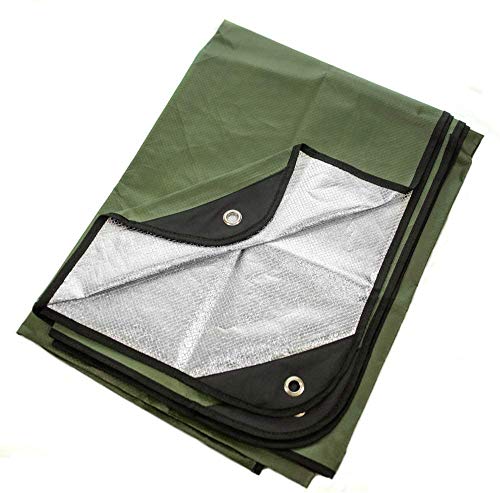
- Temperature Regulation: Insulated tarps often have reflective layers that help retain heat in the winter and reflect sunlight during hot summer days.
- Weather Protection: They’re typically waterproof and wind-resistant, providing an extra layer of defense against rain, snow, and gusty conditions.
- Durability: These tarps are built to withstand rugged outdoor conditions, lasting longer than standard tarps.
- Versatility: Beyond tent insulation, they can be used for ground cover, makeshift shelters, or even emergency blankets.
Affiliate links are used in this post at no extra cost to you. As an Amazon Associate I earn from qualifying purchases. See my Disclosure and Privacy Policy for more info.


How to Choose the Right Insulated Tarp
When shopping for an insulated tarp, keep the following factors in mind:
- Material: Look for tarps made with reflective aluminum or Mylar layers combined with polyethylene or canvas. These materials provide excellent insulation and durability.
- Size: The tarp should be large enough to cover your tent or fit the intended use. Common sizes range from 6×8 feet to 12×16 feet.
- Weight: Lightweight tarps are easier to carry but might be less durable. If you’re car camping, a heavier-duty option might be better.
- Waterproofing: Ensure the tarp has a solid waterproof rating, often indicated in millimeters (e.g., 3000mm+).
- UV Resistance: A UV-resistant tarp can reflect sunlight and keep your tent cooler for summer camping.
- Grommets and Reinforced Edges: High-quality grommets and reinforced stitching make securing the tarp easier and prevent tearing.
- Cost: While budget tarps exist, investing in a high-quality insulated tarp ensures better performance and durability.


Ways to Use an Insulated Tarp While Camping
Insulated tarps are incredibly versatile and can be used in various ways:
- Tent Fly or Roof Cover: Drape the tarp over your tent to add a layer of insulation and protection against rain or snow. Secure it with guy lines and stakes to keep it taut.
- Ground Cover: Use it as a footprint beneath your tent to prevent moisture from seeping in and provide insulation against cold ground.
- Windbreak: To shield your tent from strong winds, hang the tarp vertically as a barrier.
- Sunshade: Set up the tarp as a canopy to create a shaded area for cooking, lounging, or gear storage.
- Emergency Shelter: If your tent is damaged or needs extra coverage, an insulated tarp can serve as a temporary shelter.
- Reflective Heat Barrier: Place the reflective side inward near a heat source (like a campfire- but not too close!) to direct warmth toward your tent.
Pro Tips for Using an Insulated Tarp
- Pack Extra Cordage: Always carry extra paracord or bungee cords to secure your tarp in various setups.
- Set It Up Tight: A sagging tarp collects water and flaps in the wind. Keep it taut to maximize effectiveness.
- Match the Seasons: Use the reflective side outward in summer to deflect heat and inward in winter to retain warmth.
- Consider Ventilation: When covering your tent, allow space for airflow to prevent condensation buildup.
- Double It Up: For extreme cold, pair an insulated tarp with a thermal blanket or foam insulation underneath.


Maintenance and Storage Tips
To ensure your insulated tarp lasts through many adventures, follow these care tips:
- Clean After Use: Wipe it down with a damp cloth to remove dirt and debris. Let it dry completely before storing to prevent mold.
- Inspect for Damage: Check for tears, worn grommets, or delaminated layers. Repair small issues with tarp tape or patches.
- Store Properly: Roll (don’t fold) the tarp to avoid creases, and keep it in a dry, cool place.
- Avoid Overuse of Heat: Don’t place it too close to campfires to prevent melting or damage.



An insulated tarp is a worthwhile investment for any camping enthusiast. Whether you’re braving cold winter nights, shielding yourself from a summer downpour, or simply creating a more comfortable base camp, this versatile tool has your back.
Choose the right tarp, set it up properly, and take care of it, and you’ll enjoy cozy, weather-proof camping adventures for years to come.
Leave a Reply