Spring break used to mean airport lines, packed beaches, and hotel rates that made your wallet sweat. This year, more travelers are skipping the flights altogether and heading somewhere quieter: the campground.
Spring break camping is surging, and it is not just hardcore outdoor enthusiasts driving the trend. Families, couples, friend groups, and even first-time campers are choosing tents, RVs, and cabins over boarding passes. Rising travel costs play a role, but the shift runs deeper than budget alone. People want flexibility, space, and experiences that feel real.

Flights and hotels are harder to justify
Spring break sits squarely in peak travel season. Airfare climbs. Hotel prices surge. Rental cars disappear. Even a short domestic trip can quickly turn into a four-figure expense for a family. Camping offers a simpler math.
Campsite fees are often a fraction of a hotel night. You control food costs by cooking on-site instead of dining out three times a day. There are no baggage fees, airport parking charges, or resort add-ons. For many families, that difference is the line between taking a trip and staying home.
The savings also create room for meaningful add-ons. Instead of spending on flights, families can book a guided hike, rent kayaks for the afternoon, or splurge on a better cooler or sleeping pad that improves comfort long after spring break ends.
Flexibility beats airport chaos
Air travel during school breaks comes with built-in stress. Delays ripple across the country. Security lines stretch. Weather can derail plans in minutes. Camping removes much of that unpredictability.
You leave when you want. If traffic builds, you reroute. If you fall in love with a spot, you extend a night when availability allows. If rain rolls in, you pivot to a nearby town or pack up and head home early without losing thousands in nonrefundable bookings.
That flexibility appeals to families, especially. Traveling with kids is easier when you are not racing to catch a connection or navigating crowded terminals.
Campgrounds are more comfortable than ever
For anyone picturing spring break camping as roughing it with minimal amenities, the landscape has changed. Many campgrounds now offer clean bathhouses, electric hookups, cabins, playgrounds, and organized activities. Private campgrounds often include pools, camp stores, and planned events during peak weeks.
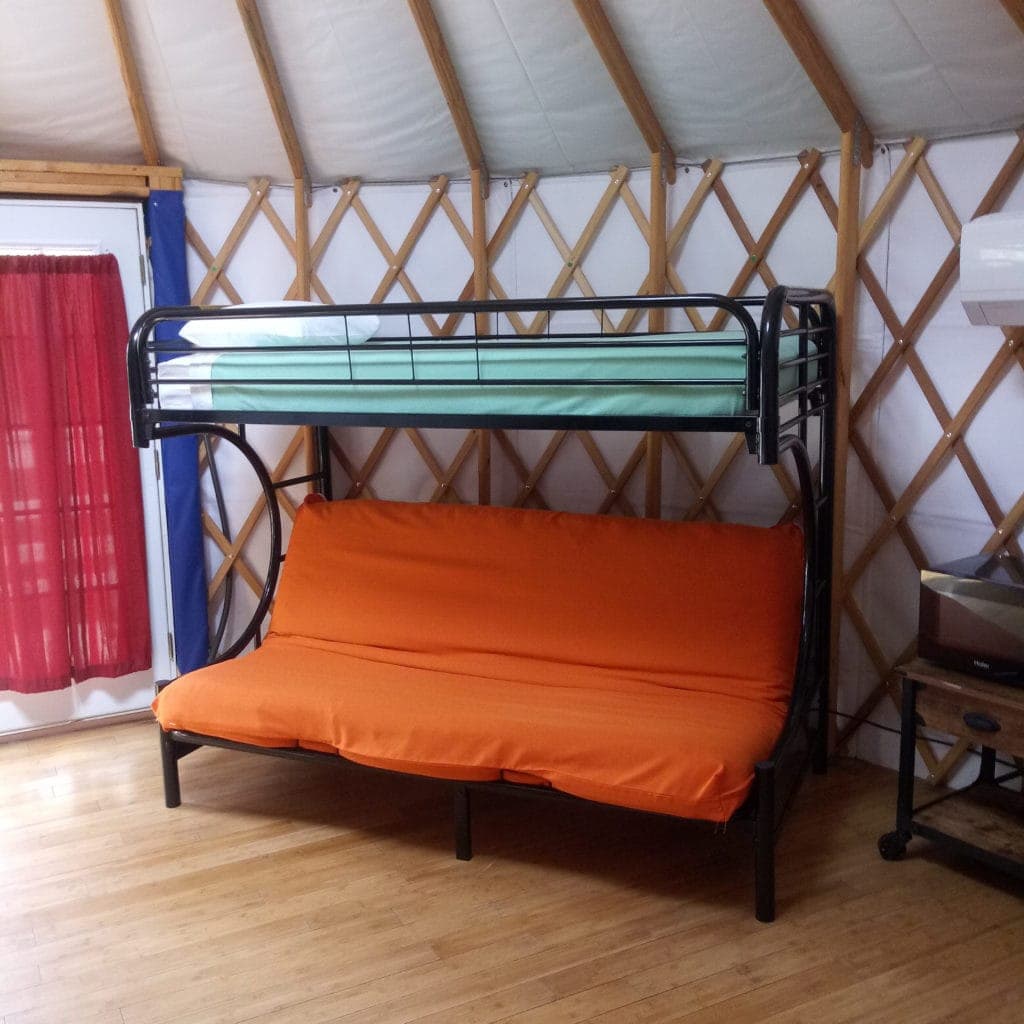
There is also a wide range of camping styles. Tent sites remain popular, but RV travel continues to grow. Glamping options, including safari tents and small cabins, offer travelers a middle ground between a hotel and sleeping on the ground.
This variety makes camping accessible to people who may not have considered it before. You can choose the level of comfort that fits your family without sacrificing the outdoor experience.
Nature feels like a reset
Spring break often comes at the tail end of a long winter. Many people are tired of screens, routines, and indoor schedules. Camping offers a clear break from all of it.
Mornings start with fresh air instead of alarm clocks and email notifications. Evenings revolve around campfires instead of televisions. Kids spend hours biking, exploring trails, or skipping rocks at the lake. Adults slow down in a way that is hard to replicate in a busy tourist destination.
The mental shift is part of the appeal. Being outside encourages movement and connection. Families talk more. Friends unplug. The days feel longer in a good way.
Sustainability plays a role
Some travelers are also rethinking the environmental impact of frequent flying. Driving to a regional park and spending time outdoors aligns with a lower-impact approach to travel. Camping fosters a direct appreciation for public lands and natural resources. For many, that awareness strengthens the desire to protect those spaces.
Tips for planning a successful spring break camping trip
The rise in popularity means you cannot treat spring break camping as a last-minute backup plan. A little preparation goes a long way.
Book early. Popular state parks and private campgrounds fill quickly for spring break weeks. As soon as school calendars are set, check availability.
Research the weather. Spring can be unpredictable. Southern destinations may already feel warm, while higher elevations can still see chilly nights. Pack layers and rain gear even if the forecast looks clear.
Choose the right site. If you are camping with kids, look for sites near restrooms or playgrounds. If you want quiet, avoid spots near entrances or main activity areas.
Keep meals simple. Spring break is not the time to test complicated camp recipes. Plan easy breakfasts, one-pan dinners, and a few familiar favorites. Prep ingredients at home to cut down on work at the campsite.
Bring comfort upgrades. A quality sleeping pad, extra blankets, camp chairs, and good lighting can make the difference between a restful trip and a restless one. If you are new to camping, prioritize sleep comfort first.
Plan but leave room to wander. Identify a few activities, such as a must-do hike or a nearby attraction, but avoid overscheduling. The beauty of camping is in the open time.

Where spring break camping works best
Regional travel tends to be the sweet spot. Many families are choosing destinations within a few hours of home. Beach campgrounds in the South, desert parks in the Southwest, and lakefront sites across the Midwest all see strong spring demand.
National parks are always popular, but smaller state parks often provide a similar experience with fewer crowds. If major destinations are booked, look for nearby lesser-known alternatives. You may find quieter trails and easier reservations.
Why this shift is likely to stick
Spring break camping is not just a reaction to rising airfare. It reflects a broader change in how people value their time off. Many travelers are realizing that relaxation does not require a boarding pass. Adventure does not have to mean an all-inclusive resort. And meaningful family memories often come from simple moments outside.
As more families try camping for the first time, a portion will return next year. The cost savings, flexibility, and slower pace are hard to ignore once you experience them.
Skipping the flights does not mean skipping the getaway. For a growing number of travelers, it means trading crowded terminals for quiet mornings, and expensive hotel rooms for star-filled skies. That trade is proving to be worth it.
Leave a Reply