Imagine this—you’re out in the wilderness, surrounded by the beauty of nature, and suddenly, the skies darken, the wind picks up, and you realize a tornado might be on its way. Scary, right?
Tornadoes are unpredictable, and the stakes are even higher when you’re camping. But don’t panic! With the right preparation and a solid safety plan, you can face even the fiercest weather confidently.
Whether you’re a camping newbie or a seasoned outdoor adventurer, understanding how to stay safe during a tornado is crucial. This guide is here to help!
We’ll walk you through where to find shelter, what to pack, and essential tips to keep you and your loved ones safe. Camping is about enjoying the thrill of the outdoors, but some storm-savvy knowledge can turn potential chaos into calm preparedness.
Let’s dive in and make sure you’re ready for whatever Mother Nature throws your way!
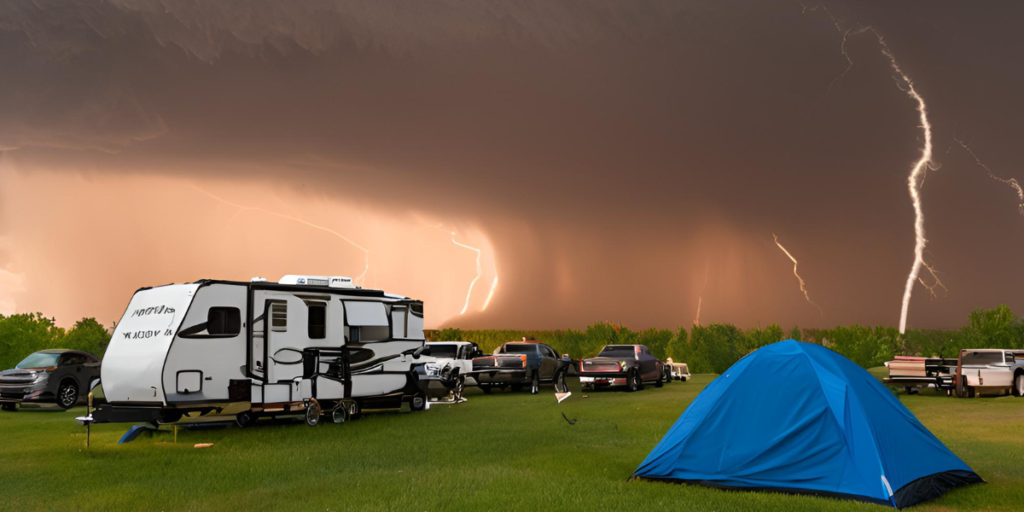
Why Tornado Preparedness Is Crucial for Campers
When you’re out camping, surrounded by towering trees and endless skies, it’s easy to forget how quickly the weather can change. One moment, the sun is shining, and the next, dark clouds roll in, winds pick up, and you’re scrambling to figure out what’s happening.
Tornadoes, in particular, are some of nature’s most unpredictable forces. These whirling giants can form rapidly and strike with little warning, which can be especially dangerous when you’re out in the wild.
Did you know that the U.S. experiences about 1,000 tornadoes every year? That means if you’re camping anywhere in the Tornado Alley region (think Texas, Oklahoma, Kansas, or nearby states), or even outside of it, the risk is real.
Tornadoes can create winds of over 200 miles per hour, uprooting trees, flipping vehicles, and creating flying debris—all of which pose significant threats to campers. But the danger isn’t confined to Tornado Alley.
Recent trends show that tornado activity is spreading to other regions and happening during all seasons, making awareness even more important for every camper.
The good news? Tornadoes may be fierce, but they aren’t entirely stealthy. There are usually signs if you know what to look for.
Rapidly darkening skies, a greenish hue to the clouds, sudden temperature drops, or an eerie quiet after strong winds can all be warnings. You might also hear a roar like a freight train—an unmistakable cue to act fast.
Staying tuned to a NOAA weather radio or a reliable app is another key to staying informed.
The unpredictability of severe weather is part of the adventure of camping, but it’s not something to take lightly. Being prepared and learning to recognize early warning signs are critical steps toward ensuring your safety.
Awareness isn’t just about protecting yourself during an emergency—it’s about building confidence to enjoy your outdoor adventures without constantly looking over your shoulder. After all, the goal is to experience nature’s beauty, not its fury!
What To Do If You’re Camping in Tornado-Prone Areas
Camping in areas where tornadoes are possible doesn’t have to be nerve-wracking—it just requires a bit of planning and a solid game plan.
Here’s how to stay safe and prepared when venturing into tornado-prone zones.
Research Before Your Trip
First things first: knowledge is power! Before heading out, research the weather patterns for your chosen camping spot.
Is it located in or near Tornado Alley? Does the area have a history of severe weather activity during the time of year you visit? Answering these questions will help you understand your level of risk and plan accordingly.
Using weather apps and setting up real-time alerts is a must. Apps like NOAA Weather or AccuWeather can provide critical updates about severe storms or potential tornado activity. You’ll have warnings delivered right to your phone so you can take action immediately.
Beyond this, don’t forget to consider the campsite’s emergency plan. Many campgrounds offer storm shelters and evacuation procedures, which are crucial to know beforehand.
If the campsite doesn’t provide this information upfront, don’t hesitate to ask—they’re there to help keep you safe.
Always Have a Safety Game Plan
Once you’ve researched, it’s time to create a plan. Start by outlining clear exit routes. Figure out the best ways to leave the area quickly in case of a tornado warning.
Are major roads nearby, or does getting away require navigating trails or backroads? Map it out so you won’t waste precious time figuring it out during an emergency.
Next, identify potential shelter locations near your campsite. These could include on-site storm shelters, concrete buildings, or even ditches or culverts (the safest low-lying areas available if options are limited). Make this part of your setup routine—no tent goes up until you know where to go in case of severe weather.
Finally, practice quick and efficient moves. If you’re camping with a group, do a run-through to ensure everyone knows what to do and where to go during an emergency. Time is everything when dealing with tornadoes, so refining your response in advance can make all the difference.
Taking extra time before and during your trip to plan for the unexpected ensures more peace of mind. When you’re prepared, you can fully enjoy the natural beauty around you, knowing you’re ready to handle whatever comes your way!
Best Shelter Options During a Tornado
When faced with a tornado while camping, finding proper shelter quickly is crucial. Here’s a breakdown of your best options and what to avoid to stay safe.
Natural Tornado Shelters Near You
If you’re caught in the wild and no man-made structures are nearby, some nature-savvy could save your life. Look for low-lying areas like ditches or ravines. These spots can protect you by keeping you below the path of the tornado’s fiercest winds. Just be cautious—if there’s heavy rain, these areas might flood, so choose wisely.
Heavy tree stumps, boulders, or other solid natural objects can act as barriers if ditches aren’t an option. While not ideal, they’re better than being fully exposed. Hunker down low, cover your head, and do your best to shield yourself from flying debris.
When available, caves are one of the safest natural shelters. They offer solid protection from both wind and debris. But before you take cover, ensure the cave is stable and doesn’t pose risks like falling rocks or flooding.
Campground Facilities
Many campgrounds have facilities that can double as tornado shelters. Restrooms, especially those made from reinforced concrete or stone, can provide reasonably secure protection. Some campgrounds even have designated storm shelters or basements specifically designed for emergencies.
When evaluating structures, look for buildings made of solid materials like brick, concrete, or stone. Avoid anything that looks flimsy or temporary, such as wooden sheds or lightweight cabins.
The goal is to find a strong, enclosed space to shield you from high winds and flying debris. If you’re unsure about the durability of a facility, don’t hesitate to ask campground staff—they’ll know the safest spots on site.
What Not To Do
When seeking shelter from a tornado, knowing where not to go is just as important. Cars, tents, and RVs might feel like safe havens, but they’re far from it. Tornadoes can easily overturn or destroy these structures, putting you in even more danger.
Avoid taking cover near tall, isolated objects like lone trees, telephone poles, or towers. These are lightning magnets; during a storm, they’re the last place you want to be.
Remember, the goal during a tornado is to get as low to the ground as possible and put as much solid material between you and the storm as possible. Knowing your options and acting quickly will give you the best chance of staying safe.
Tornado Safety Kits for Campers
Every camper knows preparation is the key to an enjoyable trip. When tornadoes are a possibility, having the right safety kit can make all the difference.
Here’s how to pack smart for both safety and convenience.
Affiliate links are used in this post at no extra cost to you. As an Amazon Associate I earn from qualifying purchases. See my Disclosure and Privacy Policy for more info.
Packing Essentials
Your tornado safety kit is your lifeline in severe weather, so ensure you’ve covered the basics! Start with a portable weather radio—this little device is a game changer. You’ll stay informed about incoming storms with NOAA alerts, even when cell service is spotty.

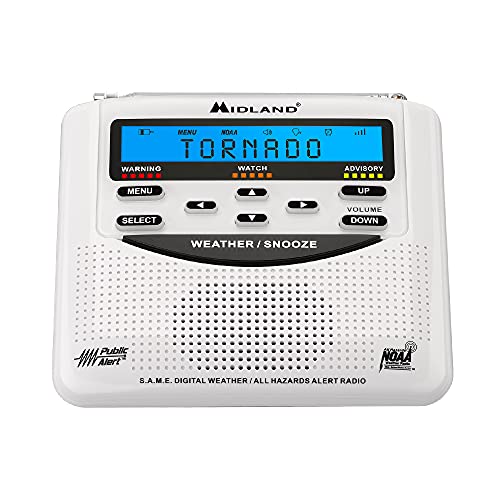
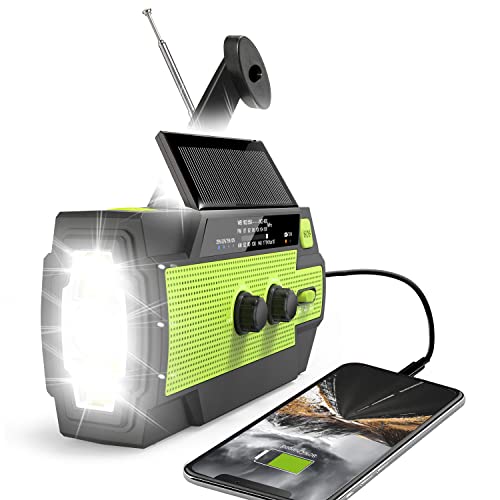

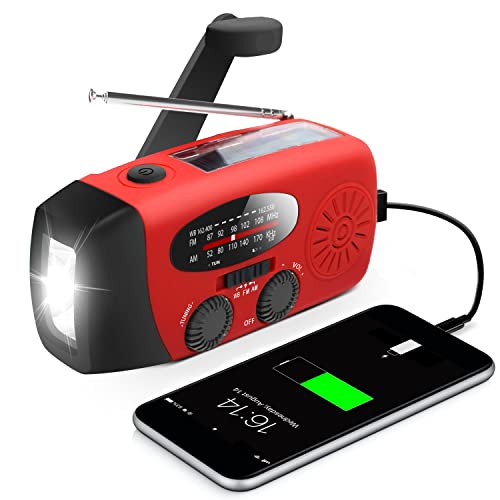
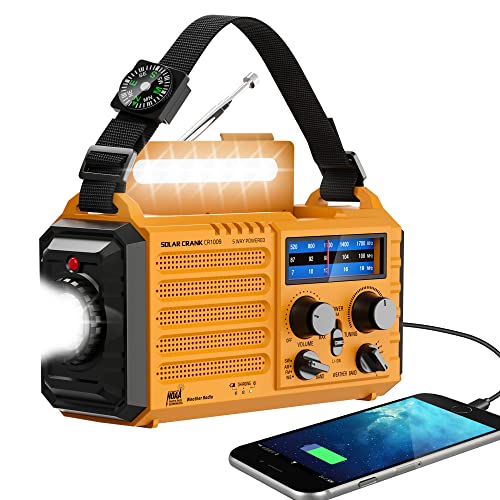
Flashlights are another must, paired with extra batteries for good measure. And don’t forget a whistle. If you’re separated from your group or trapped, it’s a simple way to signal for help.
Check PriceCheck PriceCheck PriceCheck Price
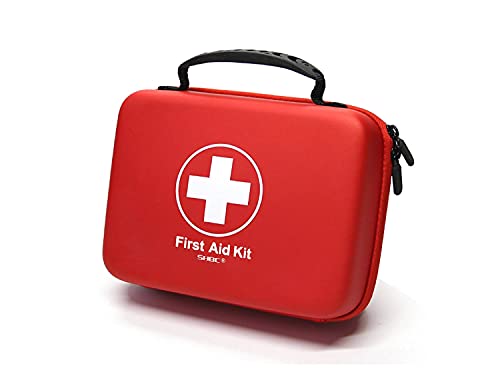
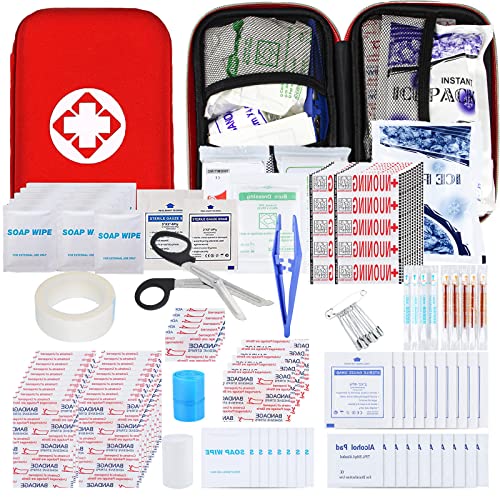
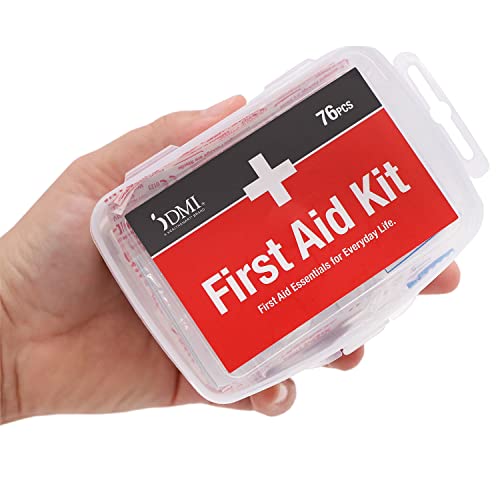
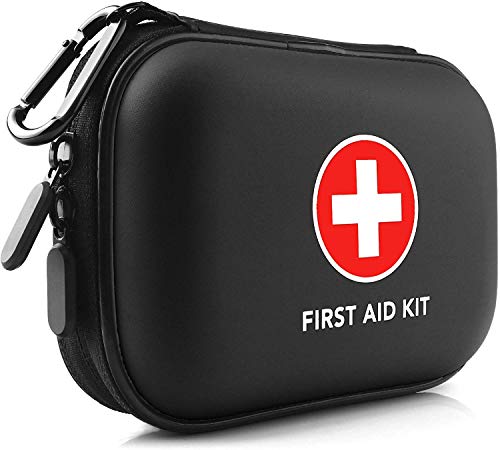
Then there’s your first-aid kit. Stock it with bandages, antiseptic wipes, pain relievers, and other medical basics. Throw in a couple of survival tools, like a multi-tool or a Swiss Army knife. These come in handy not just for emergencies but also for day-to-day camping needs.


Staying Light but Prepared
Packing for safety doesn’t mean you have to carry a heavy backpack. The trick is to focus on multi-use items that save space and weight. For example, a multi-tool doesn’t just have a knife—it might also include a can opener, screwdriver, and scissors.
Emergency blankets are a no-brainer. They’re lightweight, super compact, and perfect for staying warm if the weather takes a turn for the worse. Bonus points—they’re also reflective, which can be useful for signaling during an emergency.
Check PriceCheck PriceCheck PriceCheck Price
Finally, add a water purification tool to your kit. Whether it’s tablets, a portable filter, or a straw-style purifier, clean water is a top priority in survival situations. You won’t need to carry gallons of water (yay for saving your back!) because these tools ensure you can make any potable water source work for you.
Check PriceCheck PriceCheck PriceCheck PriceCheck Price





With these essentials and lightweight strategies, you’ll be ready to face even the most unpredictable weather without feeling weighed down. A little preparation goes a long way in keeping your camping trips fun, safe, and stress-free!
Post-Tornado Safety Measures
The tornado has passed, but your priority now is staying safe and handling the aftermath carefully. Here’s what to do to protect yourself and those around you.
Check for Injuries
First things first—make sure everyone in your group is okay. Perform a headcount and check for any injuries.
If someone is hurt, administer first aid immediately, prioritizing serious injuries like heavy bleeding or broken bones.
Use your first-aid kit to clean wounds, stop bleeding, and bandage up cuts. If you’re in a remote location and require help, use your whistle or other signaling tools to attract attention.
Assess the Campsite for Hazards
Once everyone is safe, take a look around your campsite. Be alert for potential dangers—downed power lines are a major hazard and should be avoided at all costs. Trees and branches could be unstable after high winds, so stay clear of anything that looks like it might fall. Inspect your gear, too, as tents and supplies can be damaged and unsafe.
If your campsite is no longer safe, gather your essentials and move carefully to a secure area. Remember to tread cautiously as debris like broken glass or sharp branches might be scattered around.
Stay Updated
Even after the tornado has passed, the weather could still be unpredictable. Use your weather radio or app to keep track of updates. Sometimes, additional storms or flash flooding are risks, so staying informed is key.
Follow these steps calmly and methodically. Acting quickly but carefully can help you handle the situation confidently.
Post-tornado safety is about being aware, staying adaptable, and keeping your focus on what matters most—your safety and that of your group.
Contact Emergency Services
When a tornado tears through your campsite, contacting emergency services could be your lifeline. Knowing how to signal effectively and what tools to use can make all the difference.
Here’s how you can get help quickly and efficiently.
Best Practices for Signaling and Asking for Help
If you’re in a situation where you need emergency assistance, visibility and noise are your best friends! A whistle is small but mighty—three consecutive blasts are universally recognized as a distress signal. Keep blowing at intervals until help arrives.
Another great tool is a mirror or any shiny object you have on hand. Use it to reflect sunlight and catch the attention of rescuers who might be scanning the area. Even a small mirror can create a flash of light noticeable from a distance.
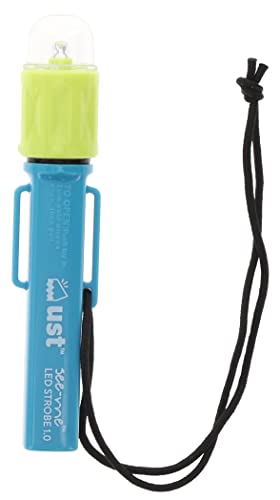
If it’s dark, rely on your flashlight. After dark, wave it in a steady pattern to signal others. The more consistent and noticeable your signaling, the faster rescuers can locate you.
The Role of Personal Emergency Beacons
Personal emergency beacons (PEBs) or satellite messengers can be game-changers for campers who frequent remote areas. These devices send SOS signals equipped with your location to emergency responders, even without cell service. They’re reliable, easy to use, and significantly increase the chances of being found quickly during an emergency.


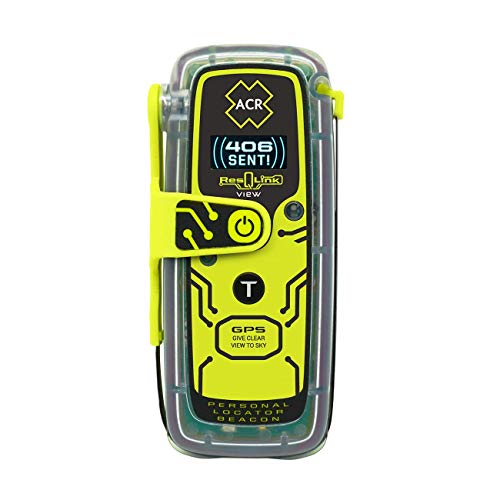

If you don’t already own one, consider adding a PEB to your camping gear, especially if you love venturing off the beaten path. It’s a small investment for peace of mind and could make all the difference in a life-or-death situation.
Every second counts after a tornado, and knowing how to communicate your need for help can save precious time.
Whether using simple tools like a whistle or high-tech emergency devices, being prepared ensures you’ll get the assistance you need when it matters most.
Pro Tips for Camping Safety During Severe Weather
Monitor Weather Non-Stop
When camping in tornado-prone areas, keeping a constant eye on the weather is necessary. Thankfully, technology makes it easier to stay ahead of severe conditions. Here’s how to monitor storms like a pro.
Best Weather Apps for Real-Time Storm Tracking
Your smartphone can be your best friend in storm preparedness. Downloading the right weather apps can give you an edge regarding real-time storm tracking.
Apps like WeatherBug and AccuWeather offer a wide range of features, including radar maps, lightning alerts, and hyperlocal forecasts tailored to your location.
For storm chasers—or, you know, cautious campers—MyRadar is a fan favorite, offering live radar updates that are impressively detailed. It’s like having a storm tracker in your pocket, giving you those precious minutes to act.
The best part about these apps is their ability to send push notifications. Set these up so you’ll be instantly alerted if a storm is brewing nearby, even if you’re miles from civilization. No refreshing or guesswork—just reliable updates sent straight to you.
Why You Should Always Trust NOAA Weather Alerts
While apps are awesome, NOAA (National Oceanic and Atmospheric Administration) weather alerts are the gold standard for reliability. These alerts are directly tied to the nation’s weather experts, meaning you’re getting accurate, life-saving information straight from the source.
NOAA alerts include everything from tornado warnings to flash flood risks, ensuring you’re aware of every evolving threat.
A portable NOAA weather radio should be part of your camping gear—it doesn’t rely on cell service, so you can stay informed even in the most remote areas.
Trusting NOAA weather alerts isn’t just a smart move—it’s crucial. Their warnings are tailored to keep you safe, giving you enough time to find shelter and protect yourself from harm.
By combining weather apps’ convenience with NOAA’s accuracy, you’ll have a powerful one-two punch for storm monitoring. Staying informed means staying safe; with these tools, you can be ready for anything Mother Nature throws your way!
Tornado Watches vs Warnings
Understanding the difference between a tornado watch and a warning can save lives—yours included! Both are serious, but they require different levels of action.
Here’s what you need to know and do when these alerts pop up during your camping trip.
What Is a Tornado Watch?
A tornado watch means conditions are favorable for tornadoes to develop. Think of it as Mother Nature hinting at trouble ahead but not being fully committed. During a watch, there may be strong storms in your area, and you must stay on high alert.
What to do during a watch:
- Keep a close eye on the weather. Stay tuned to your weather radio or app for updates so you’re not caught off guard if the situation worsens.
- Review your tornado safety plan. Know exactly where you’ll seek shelter, whether it’s a nearby storm shelter, a sturdy building, or a low-lying natural feature like a ditch.
- Start gathering essentials, like your safety kit and any necessary supplies, so you’re ready to move quickly.
A tornado watch isn’t a time for panic but a time to gear up and stay vigilant.
What Is a Tornado Warning?
A tornado warning means a tornado has been spotted or is showing up on radar. This is the real deal! Tornado warnings are serious and require immediate action to protect yourself.
What to do during a warning:
- Don’t wait—seek shelter right away! If you’re in a campground, head to a designated storm shelter, solid building, or even a restroom with no windows. Avoid tents, RVs, and cars at all costs.
- If you’re caught outdoors, find the lowest spot possible, such as a ditch, and lie flat while shielding your head.
- Stay in your shelter until the warning is lifted and you confirm it’s safe to come out.
Tornado warnings are as urgent as possible, so act fast and prioritize your safety above everything else.
Remembering the distinctions between a tornado watch and a warning (hint: watch = prepare, warning = act), you’ll know exactly how to respond when ominous skies roll in. Staying informed and ready makes all the difference in weathering the storm. Stay safe out there!
Mental Strategies for Staying Collected in Emergencies
Emergencies can bring out a whirlwind of emotions—not fun. Staying calm in the chaos is easier said than done, but it’s also the key to making smart decisions when it matters most.
Here are a few mental strategies to help you stay cool and in control when the unexpected happens.
Stay Calm with Simple Techniques
- Breathe Deeply – When panic sets in, your breathing quickens, and it’s easy to feel overwhelmed. Take a moment to pause and inhale deeply through your nose for four counts, hold it for four, and then exhale slowly through your mouth for another four. This method is a quick way to reset and regain focus.
- Positive Visualization – Picture yourself handling the situation successfully. Imagine the steps you’ll take, the people around you helping, and the outcome you’re working towards. This can shift your mindset from panic to problem-solving.
- Focus on Priorities—Emergencies have many moving parts, but prioritizing tasks can prevent overwhelm. Identify what needs to be done right now—whether it’s finding shelter, signaling for help, or checking on your group’s safety—and tackle one thing at a time.
Calm minds make clear decisions, so while feeling stressed is normal, small mental shifts can give you the clarity you need to act effectively.
How Teamwork Can Boost Survival
When dealing with a crisis, having others by your side is more than comforting—it’s a massive advantage. People working together can spread the workload, share ideas, and keep morale up. Here’s how teamwork can become your ultimate survival tool.
- Share Responsibilities – Divide and conquer! Assign everyone a role rather than letting one person shoulder all the tasks. Someone can gather supplies, another can monitor the weather, and someone else can focus on first aid. This makes everything more manageable and ensures nothing crucial gets lost in the shuffle.
- Communicate Openly – Keep talking to each other about what’s going on, what’s been done, and what still needs to happen. Calm, clear communication helps prevent misunderstandings and keeps everyone on the same page.
- Support Each Other – Encouragement goes a long way in emergencies. If someone in your group is struggling, give them a quick pep talk or offer to take over their tasks momentarily. Emotional support is just as important as physical aid in tough moments.
Emergencies aren’t just tests of individual strength—they’re also about how well you can work as a part of a team. Leaning on each other makes the impossible feel doable, so stick together, divide the work, and face the challenge as a united force.
With a calm mind and the collective strength of teamwork, you’ll be better prepared to tackle any obstacle in an emergency. Trust yourself, trust your group, and show Mother Nature what you’re made of!
Leave a Reply