Camping has long been a way for people to slow down and spend time outdoors. Recently, more campers have been choosing to experience it together. Group camping trips are becoming increasingly popular as families, friends, and communities look for ways to travel, connect, and share experiences without the pressure of expensive vacations.

Shared Experiences Make the Trip More Meaningful
Many campers say the biggest draw of group trips is the chance to spend real time together. Modern life often pulls people in different directions with work, school schedules, and digital distractions. Camping creates an environment where those distractions fade into the background.
When several families or groups of friends camp together, the experience often feels more memorable. Campfires become social hubs where stories are shared, meals are passed around, and the night stretches longer than planned. A simple evening around the fire can turn into a highlight of the entire trip.
Group trips also allow people to enjoy activities together during the day. Hiking, fishing, kayaking, and exploring nearby trails tend to feel more engaging when shared with others. The sense of adventure grows when people experience those moments side by side.
Rising Travel Costs Are Changing Vacation Choices
Another factor driving group camping trips is the rising cost of travel. Airfare, hotels, and rental cars have all climbed in price in recent years. For many families, large vacations now require careful budgeting.
Camping offers a lower-cost alternative. When groups plan trips together, expenses can stretch even further. People often share campsite reservations, cooking supplies, and gear. Meals prepared together also reduce costs compared to restaurant dining.
Some campers divide responsibilities before the trip. One group might bring cooking equipment, another handles food planning, and others pack games or outdoor gear. Sharing the workload keeps costs manageable and makes planning easier.
This practical side of group camping makes outdoor travel more accessible for many households.
Larger Campsites and Group Areas Are Easier to Find
Many campgrounds have expanded their facilities to accommodate groups. State parks and private campgrounds increasingly offer group camping areas designed for larger gatherings.
These spaces often include multiple fire pits, larger picnic tables, and room for several tents or RVs. Some locations even feature shared cooking shelters or covered gathering spaces.
The availability of these group sites makes it easier for multiple families or groups of friends to camp together without spreading across separate campsites. Being close together allows everyone to move naturally between tents, campfires, and shared activities.
Campgrounds have responded to the demand because they recognize that groups often stay longer and return for future trips.

Social Media Has Made Group Camping Easier to Organize
Planning a group trip used to involve long phone calls and scattered emails. Now, organizing a camping trip with friends can be done in a group message or an online planning thread.
Social media has also played a role in spreading interest in group camping. Photos of large campfires, group hikes, and outdoor meals inspire others to try similar trips. Many campers share tips for coordinating food, gear, and campsite layouts.
Online communities dedicated to camping often exchange ideas for group-friendly setups. These include communal cooking areas, shared shade structures, and creative campsite layouts that keep everyone connected while still allowing personal space.
Seeing how others organize their trips often gives people the confidence to plan their own.
Group Trips Make Camping Less Intimidating for Beginners
For people new to camping, the idea of spending nights outdoors can feel uncertain at first. Going with experienced campers makes the learning curve much easier.
Friends who already camp regularly can offer guidance on setting up tents, building fires safely, and preparing simple outdoor meals. Beginners often feel more comfortable knowing someone nearby understands the process.
Group trips also reduce the pressure to bring every piece of gear. Many items can be shared, from cooking equipment to lanterns and coolers. This allows newcomers to try camping without investing heavily in equipment right away.
Over time, these first trips often lead to more confidence and independence in future camping adventures.
Food Becomes a Central Part of the Experience
Meals play a major role in group camping trips. Cooking outdoors naturally brings people together. Preparing food at a campsite usually involves teamwork, whether that means chopping vegetables, managing the grill, or tending the fire.
Group meals tend to be simple but satisfying. Large skillets, foil packets, and grilled foods make it easy to feed several people at once. Many groups also organize potluck-style dinners where each campsite contributes a dish.
Breakfast can become another social moment. Coffee brewing over the fire, pancakes on a griddle, and early morning conversation often set the tone for the rest of the day.
These shared meals help turn a camping trip into something that feels closer to a small community gathering.

Multi-Family Trips Are Becoming More Common
Group camping is especially popular among families with children. Multi-family trips allow kids to play together while adults relax and socialize nearby.
Children often enjoy the freedom of outdoor spaces where they can ride bikes, explore trails, and play games around camp. Having several families together also gives parents a chance to share responsibilities.
One group might organize a hike while another watches the campsite. Later, everyone gathers for dinner and evening activities. This shared rhythm makes the experience feel easier and more enjoyable for everyone involved.
Many families find that these trips become annual traditions that everyone looks forward to.
Outdoor Travel Feels More Personal
Group camping often feels different from other types of travel. Hotels and resorts can separate people into private rooms and structured schedules. Camping encourages interaction and shared routines.
People tend to gather naturally around common spaces like campfires and picnic tables. Conversations last longer, and time outdoors encourages people to slow down.
Many campers say these trips create stronger memories than other vacations. The mix of outdoor adventure and relaxed social time gives the experience a unique balance.
It is not uncommon for the stories from these trips to be retold for years afterward.
Technology Still Plays a Role
Even in outdoor settings, technology helps support group trips. Navigation apps make it easier to find campsites and trailheads. Weather apps help groups plan around storms or temperature changes.
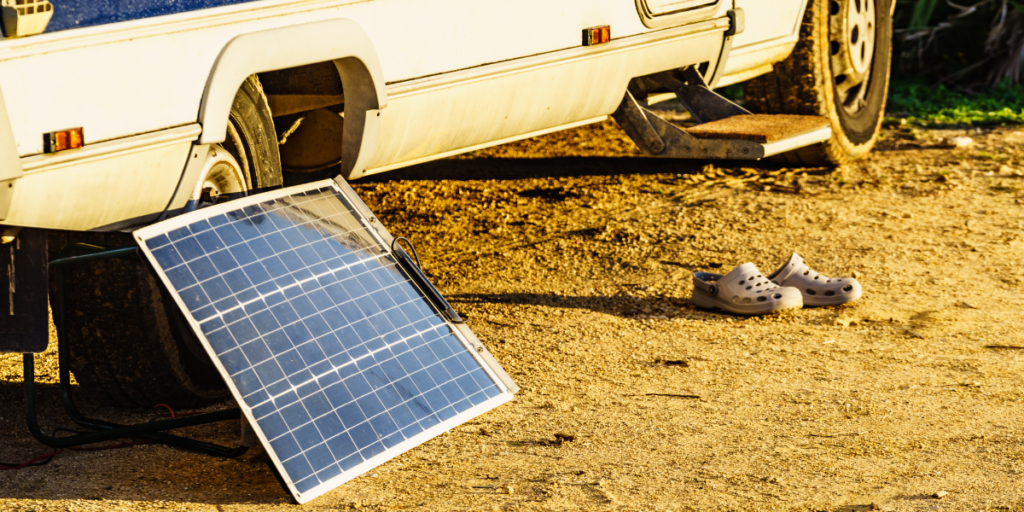
Portable power stations and solar chargers also allow campers to keep essential devices running while still enjoying time outdoors.
At the same time, many groups intentionally limit screen time during these trips. The goal is often to focus on conversation, nature, and shared activities.
That balance allows technology to help with planning without dominating the experience.
The Appeal of Simpler Travel
Group camping appeals to people who want travel to feel more relaxed and less complicated. Large trips often involve tight schedules and crowded attractions. Camping encourages a slower pace.
Days tend to revolve around simple routines like preparing meals, exploring nearby trails, or relaxing at the campsite. When several people share those moments, the experience becomes more meaningful.
This simplicity is one reason many campers return to group trips year after year. The structure is flexible, the cost remains manageable, and the time spent together often becomes the most valuable part of the trip.
As interest in outdoor travel continues to grow, group camping is likely to remain a popular way for people to reconnect with nature and with each other.
Leave a Reply