The image of RV travel has long been tied to movement. Many people picture long highway drives, frequent campground changes, and a constant search for the next scenic stop. But across the country, a shift has been taking place.
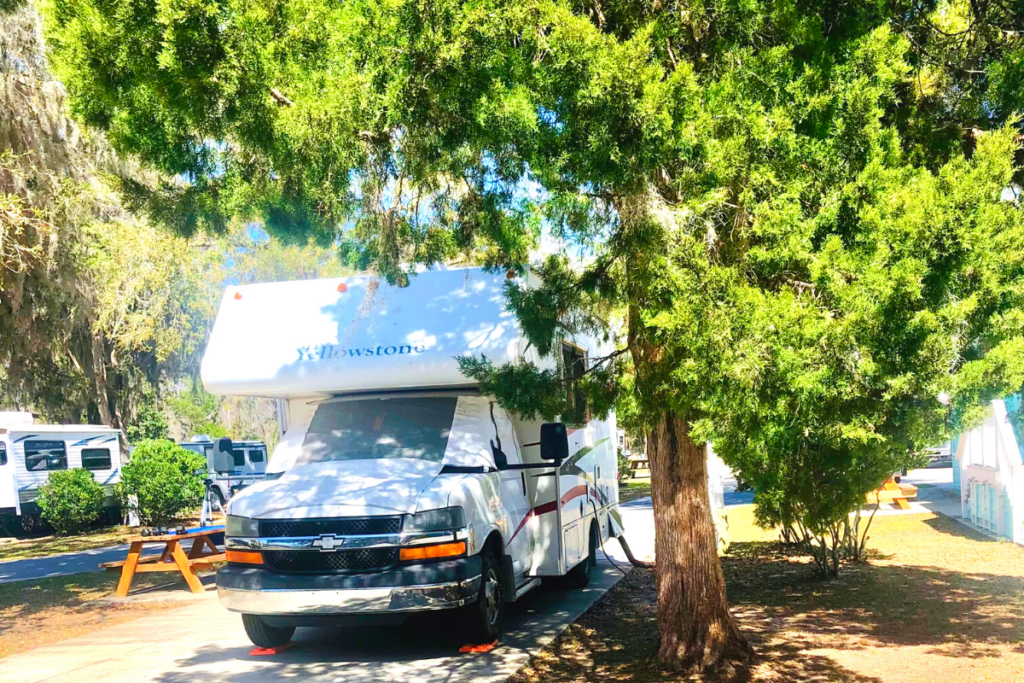
More RV travelers are choosing to stay in one place longer. Instead of moving every few days, many are parking their rigs for weeks or even months at a time. Campgrounds that once saw a steady rotation of short visits are now hosting guests who settle in and treat the site more like a temporary home base.
Several factors are behind this change. Costs, lifestyle preferences, work flexibility, and the growing comfort of modern RV parks are all reshaping how people travel on the road.
Slowing down the travel pace
Many RV travelers say the appeal of longer stays comes down to a simple idea: traveling more slowly feels better.
Constant movement can quickly turn a relaxing trip into a busy routine. Packing up a campsite, securing everything inside the RV, navigating unfamiliar roads, and setting up again at the next stop takes time and energy. Doing that every few days can begin to feel more like a chore than an adventure.
By staying longer in one place, travelers can spend less time preparing to leave and more time enjoying where they are. A campground becomes familiar after a few days. Trails, nearby grocery stores, and local attractions become easier to navigate. Instead of rushing to see everything in a short visit, people can explore at a comfortable pace.
For many RV travelers, that slower rhythm has become one of the biggest benefits of staying put.
Fuel costs influence travel plans
Fuel prices have also changed how many RV travelers plan their trips.
Large motorhomes and tow vehicles are not known for fuel efficiency. Driving hundreds of miles between destinations can add up quickly. Even a moderate travel schedule can lead to significant fuel expenses over the course of a season.
Staying longer at a single campground helps offset those costs. Fewer driving days mean fewer trips to the pump. Some travelers now plan routes with larger gaps between moves, choosing to spend more time in each region before continuing down the road.
Monthly campground rates can also make longer stays more affordable. Many RV parks offer discounted rates for extended stays, which can lower the nightly cost compared with short-term reservations.
When fuel prices rise, those savings become even more appealing.
Remote work supports longer stays
Another major shift comes from the growing number of people working remotely.
High-speed internet access is now available at many RV parks and campgrounds. In addition, cellular hotspots and satellite internet systems have improved in recent years. These tools allow people to continue working while traveling.
For RV travelers who work online, staying longer in one place can make daily life much easier. Reliable internet connections are easier to maintain without frequent moves. Work routines can settle into a consistent rhythm when the surroundings remain stable.
Instead of planning travel strictly around vacation time, some people now blend work and travel together. A scenic location can serve as both a workplace and a destination for several weeks.
This flexibility has allowed many RV travelers to rethink the pace of life on the road.

Campgrounds feel more like communities
Longer stays also create a stronger sense of community at many campgrounds.
When travelers remain in one place for several weeks, casual conversations often turn into friendships. People begin to recognize their neighbors, share recommendations for local attractions, and gather for simple activities like evening campfires.
Campground managers have noticed the difference as well. Parks that welcome extended stays often organize small social events, potlucks, or local excursions that bring guests together.
These connections can make RV travel feel less temporary. A campground begins to resemble a small neighborhood where people know each other by name and share experiences during their stay.
For many travelers, that social atmosphere adds an unexpected layer of enjoyment to life on the road.
Seasonal travel patterns are changing
Longer stays are also tied to seasonal travel habits.
Snowbirds, for example, have long spent winter months in warmer states before returning north in the spring. In recent years, that pattern has expanded beyond traditional retirement travel.
More families and remote workers now adopt a seasonal approach. Instead of moving frequently across multiple states, they choose one region for an extended stay. Some spend several weeks near a national park, a coastal town, or a mountain area before relocating later in the season.
This style of travel allows people to experience a place more deeply. Visiting local restaurants, attending community events, and exploring surrounding towns becomes easier when the schedule is not rushed.
A short vacation may only reveal the most obvious attractions. A longer stay opens the door to a more complete experience.
RV parks are adapting to longer visits
Campgrounds and RV parks have responded to this trend by adjusting their offerings.
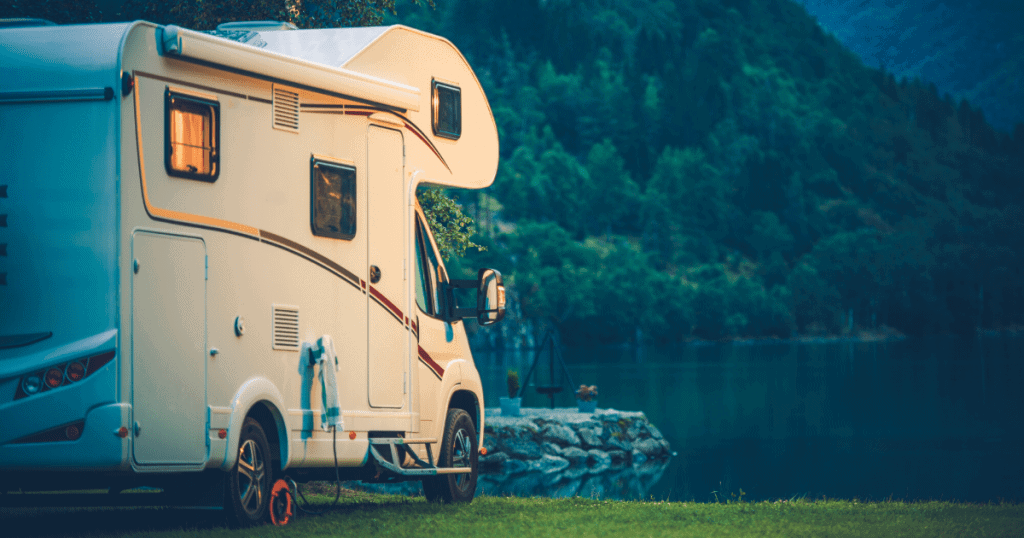
Many parks now include amenities designed for longer stays. Laundry facilities, package delivery services, upgraded internet connections, and larger campsites are becoming more common. Some locations even provide coworking spaces or quiet areas designed for remote work.
Extended stay rates have also become more widely promoted. Weekly and monthly pricing options help travelers manage costs while encouraging guests to remain longer.
These changes reflect a broader shift in how campgrounds see their role. Instead of serving only short-term travelers passing through, many parks now welcome guests who plan to stay and settle in for a while.
Local economies benefit from longer stays
Communities near popular RV destinations are also noticing the impact.
Travelers who stay longer tend to spend more money locally over time. Grocery stores, restaurants, farmers’ markets, and small shops all benefit from extended visits. Visitors who remain in one place for weeks often return to the same businesses repeatedly.
Local tourism offices have begun encouraging longer stays as well. Instead of promoting quick stopovers, some destinations now highlight activities that reward a slower pace, such as scenic drives, hiking networks, and cultural events spread throughout the season.
These strategies help create a more sustainable tourism flow while supporting small businesses in the area.
A different approach to RV travel
The shift toward longer stays reflects a broader change in how many people think about travel.
RVs were once closely tied to cross-country road trips and packed travel itineraries. Today, many travelers see their RV as a way to experience places more fully rather than simply passing through them.
Parking in one location for several weeks offers a chance to develop routines, meet new people, and explore beyond the typical tourist stops. It also reduces the stress that can come with constant movement.
Traveling slowly allows people to enjoy the journey without feeling pressured to move on too quickly.
The takeaway
RV travel continues to evolve as costs, technology, and lifestyle choices shape how people use the road. While the freedom to move remains a central part of the experience, many travelers are discovering that staying longer in one place offers its own rewards.
A slower pace reduces travel fatigue, helps control expenses, and allows deeper connections with both the destination and the people nearby. Campgrounds are adapting, communities are welcoming longer visits, and remote work has made extended travel more practical.
For many RV travelers, the road still offers endless possibilities. They are simply choosing to explore those possibilities one place at a time, and often for a little longer than before.
Leave a Reply