Are you itching to escape the daily grind, pitch a tent, and soak in the beauty of the great outdoors? As winter fades, campers everywhere start asking, when does camping season start?
Whether you’re a seasoned adventurer or a first-timer, knowing the best time to go camping can make or break your trip. In this guide, we’ll break down when camping season kicks off, what to expect in each season, and how to plan an unforgettable outdoor experience.
Let’s dive into the details so you can hit the trails with confidence!

Be sure to verify all information. We are human, and human errors do happen in typing and writing. The most up-to-date information can be found directly on the manufacturer page, which we’ve linked below for your convenience when possible. Otherwise, always double-check location rules, information, weather conditions, and product information before planning, using, or purchasing.
Affiliate links are used in this post at no extra cost to you. As an Amazon Associate I earn from qualifying purchases. See my Disclosure and Privacy Policy for more info.
When Does Camping Season Start?
Camping season typically begins in early spring (March or April) and runs through early fall (October or November), depending on where you’re pitching your tent.
The best time to go camping varies by region, climate, and your tolerance for chilly nights or crowded campgrounds. Here’s a quick breakdown:
- Colder Regions (e.g., Northeast, Midwest, or mountainous areas): Camping season often starts in late April or early May when snow melts, temperatures rise, and campgrounds open their facilities (think flush toilets and running water).
- Warmer Regions (e.g., Southeast, Southwest, or coastal areas): You might start camping as early as February or March, with mild weather perfect for outdoor adventures.
- Peak Season: Most campgrounds label summer (June to August) as peak camping season, when park offices, restrooms, and water sources are fully operational. Booking early is key!
- Off-Season: Camping outside peak months (late fall or winter) means fewer crowds but potentially limited amenities, like no running water or closed restrooms.
Pro Tip: Check your campground’s website for “peak” vs. “off-season” dates to plan around facility availability and crowds. This ensures you’re not stuck without a shower or a water source!

What to Expect During Camping Season
The camping season brings a mix of breathtaking scenery, exciting activities, and a few challenges. Here’s what you’re in for:
- Mild Weather: Spring and fall offer warm days and cool nights, ideal for hiking, stargazing, or cozying up by the campfire. Summer can get hot, so plan for shade and hydration.
- Crowded Campgrounds: Summer, especially during school vacations, is prime time for camping. Popular spots in national and state parks fill up fast, so reservations are a must.
- Stunning Scenery: From spring wildflowers to fall’s vibrant foliage, nature puts on a show. Expect buzzing wildlife, blooming plants, and serene landscapes.
- Outdoor Adventures: Fishing, kayaking, hiking, and biking are in full swing during camping season. Many parks also offer guided tours or ranger-led programs.
- Reservation Challenges: Securing a spot during peak season can feel like winning the lottery. First-come, first-served sites exist, but they’re snatched up quickly.
Fun Fact: Did you know that camping in Sequoia National Park during mosquito season (late spring to early summer) requires extra bug protection? Pack repellent and long sleeves to keep those pesky biters at bay!

Best Months to Go Camping: A Season-by-Season Guide
Wondering about the best time of year to go camping? Each season offers unique perks and challenges. Let’s explore the best months to go camping and what makes each special:
Spring Camping (March–June)
Spring is a camper’s dream, with blooming flowers, mild temperatures, and fewer crowds than summer. It’s one of the best times to camp if you love peace and quiet.
- Why It’s Great:
- Vibrant landscapes as trees leaf out and wildlife wakes up.
- Cooler weather (50–70°F in most regions) makes hiking and biking comfortable.
- Less competition for campsites compared to summer.
- Activities: Hiking, fishing, birdwatching, and exploring wildflower trails.
- Challenges: Spring rains can lead to muddy campsites, so pack waterproof gear. Temperatures can dip at night, so bring layers.
- Gear Tips:
- Waterproof tent and tarp for rain protection.
- Lightweight sleeping bag (rated for 30–50°F).
- Moisture-wicking clothing to stay dry.
Check PriceCheck PriceCheck PriceCheck PriceCheck PriceCheck PriceCheck PriceCheck Price
Summer Camping (June–August)
Summer is the heart of camping season, with warm weather and endless activities. It’s the best season for camping if you’re traveling with kids or love water-based adventures.
- Why It’s Great:
- Sunny days (70–90°F) perfect for swimming, boating, or mountain biking.
- Most campgrounds are fully open with all amenities.
- Long daylight hours for extended outdoor fun.
- Activities: Swimming, kayaking, fishing, and stargazing.
- Challenges: Crowds, heat, and bugs (especially mosquitoes). Reservations are tough to snag.
- Gear Tips:
- Sunscreen, hats, and breathable clothing for sun protection.
- Bug spray and mosquito netting for tents.
- Portable fan or cooling towels for hot days.
Check PriceCheck PriceCheck PriceCheck Price
Fall Camping (September–November)
Fall is a favorite for many campers, offering crisp air, colorful foliage, and fewer crowds. It’s one of the best seasons to camp for a cozy, scenic escape.
- Why It’s Great:
- Stunning fall foliage in shades of red, orange, and yellow.
- Cooler temperatures (40–70°F) ideal for campfires and hiking.
- Wildlife is more active, perfect for spotting deer or birds.
- Activities: Hiking, photography, and roasting marshmallows.
- Challenges: Nights can get chilly, and some campgrounds start closing facilities in late fall.
- Gear Tips:
- Insulated sleeping bag (rated for 20–40°F).
- Layered clothing (fleece, thermal base layers).
- Portable fire pit for extra warmth.
Check PriceCheck PriceCheck PriceCheck Price
Winter Camping (December–February)
Winter camping is for the bold, offering solitude and snowy landscapes. It’s a unique way to experience the best time to camp if you’re prepared for the cold.
- Why It’s Great:
- Peaceful campsites with minimal crowds.
- Unique activities like snowshoeing, ice fishing, or skiing.
- Crisp, clear nights for stargazing.
- Challenges: Cold weather (20°F or lower) requires specialized gear. Some campgrounds close entirely.
- Gear Tips:
- Four-season tent to withstand wind and snow.
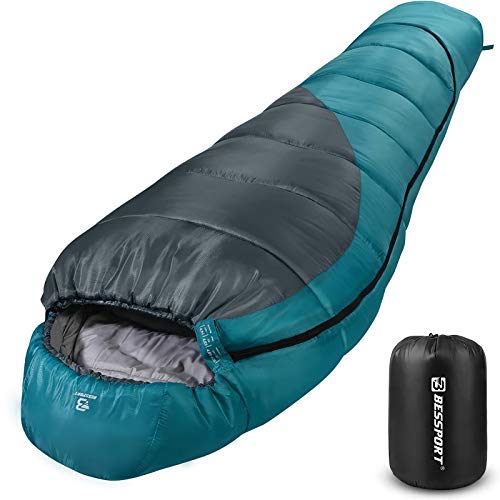
- Sleeping bag rated for 0°F or lower.




How Far in Advance Should You Book Campsites?
Securing a campsite during camping season can be tricky, especially for popular destinations. Here’s what you need to know:
- National Parks: Reservations often open 6–12 months in advance (e.g., Recreation.gov allows bookings up to 6 months out for most parks).
- State Parks: Policies vary, but many allow bookings 3–12 months ahead. Check specific park websites for details.
- Private Campgrounds: Some, like KOA, offer flexible booking windows, often up to a year in advance.
- First-Come, First-Served Sites: These are available but fill up fast, especially in summer. Arrive early in the morning to snag a spot.
Tips for Planning Your Camping Trip
To make your camping adventure a success, preparation is key. Here are practical tips to ensure you’re ready for the best time to camp:
- Check Your Gear:
- Inspect tents, sleeping bags, and stoves for wear and tear.
- Test equipment at home to avoid surprises in the wild.
- Replace damaged items (e.g., a ripped tent fly) before your trip.
- Book Early:
- Reserve campsites as soon as booking windows open, especially for summer or holiday weekends.
- Have backup locations in case your top choice is booked.
- Plan Activities:
- Research trails, fishing spots, or kayak rentals near your campground.
- Check for park events, like stargazing nights or guided hikes.
- Pack Smart:
- Bring a first-aid kit, firestarters, insect repellent, and sunscreen.
- Include a multi-tool for unexpected fixes.
- Pack for the season (e.g., lightweight gear for summer, insulated gear for winter).
- Stay Weather-Ready:
- Check forecasts for rain, cold snaps, or heatwaves.
- Pack waterproof gear and extra layers for spring or fall trips.
- Know Your Campground:
- Confirm amenities (water, restrooms, showers) before you go.
- Research nearby attractions or emergency services for safety.
Check PriceCheck PriceCheck PriceCheck Price
No matter when you go, camping season is a chance to unplug, reconnect with nature, and make memories with friends or family. From the thrill of pitching your tent under a starry sky to the joy of roasting s’mores by a crackling fire, camping offers something for everyone.
Leave a Reply