Camping in U.S. national parks has surged in popularity, drawing outdoor enthusiasts seeking adventure and peace. These protected areas offer amazing experiences, showing campers some of the nation’s most stunning and diverse landscapes. From the rugged peaks of the Rocky Mountains to the lush forests of the Pacific Northwest, the arid deserts of the Southwest, and the serene coastal areas along the Atlantic and Pacific Oceans, each park presents a unique ecosystem waiting to be explored.
The activities available are as varied as the landscapes themselves. Hikers can traverse scenic trails that wind through dense forests, climb mountainous paths for panoramic views, or meander through desert canyons bathed in sunset hues.
Wildlife watchers are in for a treat, with opportunities to glimpse majestic creatures such as bison, bears, elk, and countless bird species in their natural habitats. As night falls, stargazers can marvel at clear, unpolluted skies filled with numerous stars, providing a celestial spectacle that is hard to find elsewhere.
Whether seeking the thrill of outdoor adventures or the peace found in nature’s embrace, U.S. national parks offer a camping experience that caters to all tastes and interests. The sheer diversity of landscapes and activities ensures that every camping trip is a unique and unforgettable journey into the heart of America’s natural beauty.
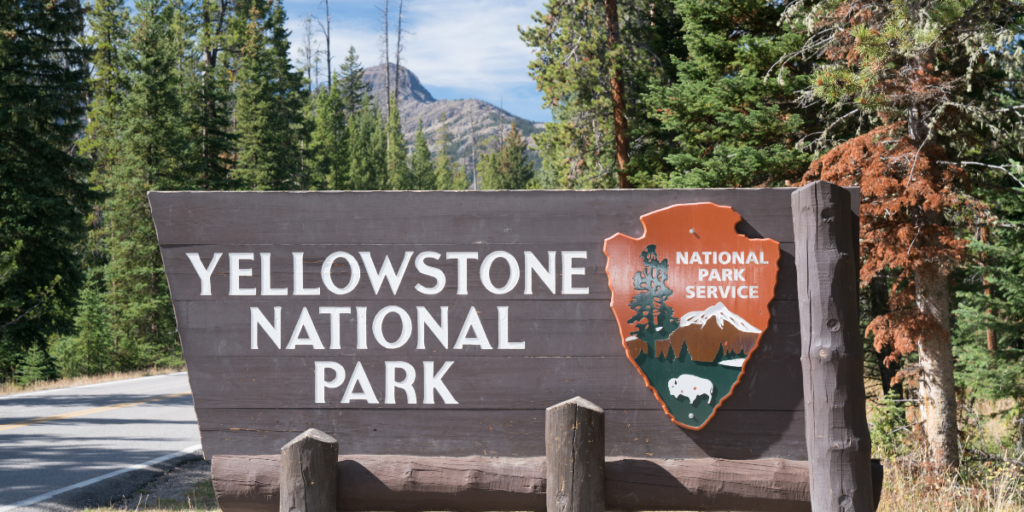
What to Look for in a National Park for Camping
Location and Accessibility
Camping in U.S. national parks is an accessible adventure, with many parks within a short drive from major cities. For instance, Great Smoky Mountains National Park is just a few hours’ drive from Atlanta, Georgia, and Washington, D.C.. At the same time, Yosemite National Park is easily reachable from San Francisco and Los Angeles.
Proximity to these urban centers makes national parks an attractive weekend getaway or a longer vacation destination. Most parks are well-signposted, and many have dedicated shuttle services and paved roads, ensuring ease of access for all kinds of vehicles.
Campground Amenities
National parks offer a variety of campsites to suit different preferences and need from primitive backcountry sites for those seeking solitude and a true wilderness experience to developed campgrounds with modern amenities such as restrooms, showers, picnic areas, and even Wi-Fi in some locations, many campgrounds also provide RV hookups, dump stations, and potable water.
Some parks have yurts, cabins, and glamping options for a more comfortable stay. Additionally, services like ranger-led programs, visitor centers, and camp stores enrich the camping experience.
Activities and Attractions
The activities and attractions in U.S. national parks are as diverse as the landscapes themselves. Hiking enthusiasts can explore thousands of miles of trails, ranging from easy walks to challenging backcountry routes. Wildlife viewing is abundant, with opportunities to see species such as bison in Yellowstone, elk in the Great Smoky Mountains, and bald eagles in Denali.
Water activities are also popular, with kayaking, canoeing, and fishing options in parks like the Everglades and Acadia. Many parks offer snowshoeing, cross-country skiing, and even ice climbing in winter. Stargazing is another highlight, especially in parks with low light pollution, like Bryce Canyon and Big Bend.
Seasonality
The best time to visit national parks for camping largely depends on the park and the activities you are interested in. Spring and fall are ideal for visiting parks like the Grand Canyon or Zion, where temperatures are milder. Summer is perfect for parks at higher elevations, such as Rocky Mountain or Glacier, where the weather is pleasant and all trails are accessible.
Winter offers a unique experience in parks like Yellowstone and Yosemite, where you can enjoy snow-covered landscapes and winter sports.
Always check the specific park’s conditions and weather forecasts before planning your trip.
Permits and Regulations
Before heading out, knowing the permits and regulations for camping in national parks is important. Many parks require camping permits, especially for backcountry sites, which must be reserved in advance. Some parks also implement quotas and lotteries for popular trails and campsites.
Regulations typically include campfire rules, food storage (to avoid attracting wildlife), and waste disposal. It’s essential to follow Leave No Trace principles to minimize your impact on the environment. Always check the park’s website for up-to-date information on permits, fees, and regulations.
Camping in U.S. national parks offers an unparalleled opportunity to immerse yourself in nature’s beauty. The parks offer diverse landscapes, rich wildlife, and many activities to enjoy. Whether you’re a seasoned outdoor enthusiast or a first-time camper, the parks provide a welcoming and accessible escape into the wilderness. Plan, respect the natural environment, and you’re sure to have a memorable adventure.
Top National Parks for Camping
Here are some of the best national parks – but this list is missing quite a few! For the full list, check with National Park Services to find options that are open year-round. There are many popular destinations to pick from for your next road trip.
Yosemite National Park, California
Why It’s Great: Yosemite National Park is renowned for its iconic granite cliffs, such as El Capitan and Half Dome, and its stunning waterfalls, such as Yosemite Falls and Bridalveil Falls. The park’s diverse ecosystems range from lush meadows to ancient giant sequoia groves, providing a haven for various wildlife.
Best Campsites:
- Upper Pines: Centrally located in Yosemite Valley, offering easy access to major trailheads.
- North Pines: Nestled along the Merced River, providing tranquil water views.
- Camp 4: A historic campsite popular with climbers, close to El Capitan and other climbing routes.
Must-Do Activities:
- Hiking Half Dome: A challenging but rewarding hike with breathtaking views from the summit.
- Exploring Yosemite Valley: Discover iconic landmarks, visit the visitor center, and enjoy scenic walks.
Grand Canyon National Park, Arizona
Why It’s Great: The Grand Canyon offers unparalleled views of one of the most spectacular natural formations on Earth. Its immense size and unique desert environment make it a prime destination for exploration and camping.
Best Campsites:
- Mather Campground: Located on the South Rim, offering convenient access to the main viewpoints and facilities.
- North Rim Campground: Provides a quieter, more secluded experience with equally stunning views.
- Bright Angel Campground: Situated at the bottom of the canyon along the Colorado River, perfect for adventurous hikers.
Must-Do Activities:
- Rim-to-Rim Hike: An extraordinary trek from the North Rim to the South Rim, offering diverse landscapes and perspectives.
- Colorado River Rafting: Experience the canyon from a different angle with thrilling white-water adventures.
Great Smoky Mountains National Park, Tennessee/North Carolina
Why It’s Great: Known for its lush forests, diverse wildlife, and rich cultural history, the Great Smoky Mountains National Park is a treasure trove of natural beauty and Appalachian heritage.
Best Campsites:
- Cades Cove: Offers scenic views and a wealth of wildlife viewing opportunities.
- Elkmont: A historic campground surrounded by beautiful woods and streams.
- Smokemont: Located near the Oconaluftee River, providing easy access to hiking trails and fishing spots.
Must-Do Activities:
- Clingmans Dome: Hike up to the highest point in the park for panoramic views.
- Cades Cove Loop: A scenic drive or bike ride through a picturesque valley teeming with wildlife and historic buildings.
- Waterfall Hikes: Explore the park’s numerous waterfalls, such as Laurel Falls and Abrams Falls.
Yellowstone National Park, Wyoming/Montana/Idaho
Why It’s Great: Yellowstone is famed for its geothermal features, including geysers and hot springs, and its abundant wildlife. The park’s diverse landscapes include forests, mountains, and vast plains.
Best Campsites:
- Madison: Offers proximity to the park’s geothermal features and the Madison River.
- Norris: Centrally located, providing easy access to major attractions.
- Grant Village: Situated near Yellowstone Lake, offering beautiful water views and recreational opportunities.
Must-Do Activities:
- Old Faithful: Watch this iconic geyser’s regular eruptions.
- Grand Prismatic Spring: Marvel at the vibrant colors of the largest hot spring in the United States.
- Lamar Valley: A prime location for wildlife viewing, including bison, wolves, and elk.
Acadia National Park, Maine
Why It’s Great: Acadia boasts stunning coastal views, rugged mountains, and serene lakes. The park’s unique location along the Atlantic coast offers a blend of ocean and forest experiences.
Best Campsites:
- Blackwoods: Located near Bar Harbor, providing easy access to hiking trails and ocean views.
- Seawall: Offers a quieter, more rustic camping experience with proximity to the shoreline.
- Duck Harbor: Accessible only by boat, offering seclusion and spectacular coastal scenery.
Must-Do Activities:
- Cadillac Mountain Sunrise: Be the first to see the sunrise in the United States from the summit.
- Ocean Path Hike: A scenic trail along the rugged coastline with stunning views of the Atlantic.
- Sea Kayaking: Explore the park’s coastline and nearby islands from the water for a unique perspective.
Each park offers a distinct and memorable camping experience, showcasing America’s natural beauty and providing endless opportunities for adventure and relaxation.
Whether you’re drawn to the towering granite cliffs of Yosemite or the serene coastal views of Acadia, you’ll find a national park that captures your heart and imagination.
Tips for a Successful Camping Trip
Plan Ahead
Preparing a camping trip in U.S. national parks is key to ensuring a smooth and enjoyable experience. Start by reserving campsites well in advance, especially during peak seasons, as popular sites can fill up quickly.
Check the specific park’s website for availability and reservation details. It’s also crucial to stay informed about any park alerts, including trail closures, weather conditions, or wildlife activity that could impact your trip.
Subscribing to park notifications or checking updates regularly can help you stay ahead of any last-minute changes.
Pack Smart
Packing wisely can significantly improve your comfort and safety during your camping adventure. Here’s a checklist of essential items to bring:
- Shelter and Bedding: Quality tent, sleeping bag suitable for the season, sleeping pad, and possibly a footprint or tarp for added protection.
- Clothing: Layered clothing for variable weather, waterproof jacket, sturdy hiking boots, hat, and gloves.
- Food and Cooking Supplies: Portable stove or grill, fuel, lightweight cookware, utensils, enough food for your stay, and bear-proof containers if required.
- Water and Hydration: Sufficient water supply or a water filtration system if planning to use natural sources, as well as hydration packs or reusable bottles.
- Navigation and Safety Gear: Maps, compass or GPS, first aid kit, multi-tool, headlamp or flashlight with extra batteries, and a whistle.
- Personal Items: Sunscreen, insect repellent, toiletries, and any necessary medications.
Being over-prepared is always better than finding yourself without something essential in a remote location.
Leave No Trace
Practicing Leave No Trace principles is vital for preserving the natural beauty of national parks and ensuring they remain pristine for future visitors. Here are the key principles to follow:
- Plan Ahead and Prepare: Minimize waste by pre-planning meals and repackaging food to reduce packaging waste.
- Travel and Camp on Durable Surfaces: Stick to established trails and campsites to avoid damaging fragile ecosystems.
- Dispose of Waste Properly: Pack out all trash, leftover food, and litter. Use restroom facilities where available or follow guidelines for burying human waste if necessary.
- Leave What You Find: Preserve the natural environment by not picking plants, disturbing wildlife, or removing rocks or other natural objects.
- Minimize Campfire Impact: Use a camp stove for cooking and opt for existing fire rings if making a fire is allowed. Always ensure fires are completely extinguished before leaving.
- Respect Wildlife: Observe animals from a distance, do not feed them, and store food securely to avoid attracting wildlife to your campsite.
- Be Considerate of Others: Maintain a respectful noise level and be courteous to other campers to ensure everyone can enjoy the serene environment.
By following these tips, you can ensure a safe, enjoyable, and environmentally responsible camping trip in U.S. national parks. Happy camping!
Do state parks have as many amenities as national parks?
That just depends! Most are going to have things like flush toilets, and picnic tables, and of course – spectacular views. There will also be plenty of nature trails to hike on during your visit as well. Scenic views and scenic drives are likely an option as well.
In terms of outdoor activities, that will vary. The most popular national parks may have options like horseback riding and other fun activities in mother nature. National park camping is a good idea for anyone who wants to enjoy rich history in the best way. Just be prepared that no matter what, state parks and national parks will be super busy during peak season.
Enjoy the fresh air and enjoy the full experience!
Leave a Reply