Taking your pup with you on amazing outdoor activities is part of the camping fun! Enjoying a long hike with your furry friend in tow is the best way to relax!
But before you buckle up for this backcountry experience, there’s one important thing you need to have: a well-equipped dog first aid kit. Trust me, it’s a must-have when hiking or camping with dogs.
Affiliate links are used in this post at no extra cost to you. As an Amazon Associate I earn from qualifying purchases. See my Disclosure and Privacy Policy for more info.
When out in nature, our four-legged friends can encounter various risks and injuries that we humans might not even consider. From cuts and scrapes to paw pad injuries from rough terrain, dogs are not immune to accidents.
That’s why having a dog first aid kit on hand can make all the difference in keeping your furry friend safe and sound during your outdoor escapades.
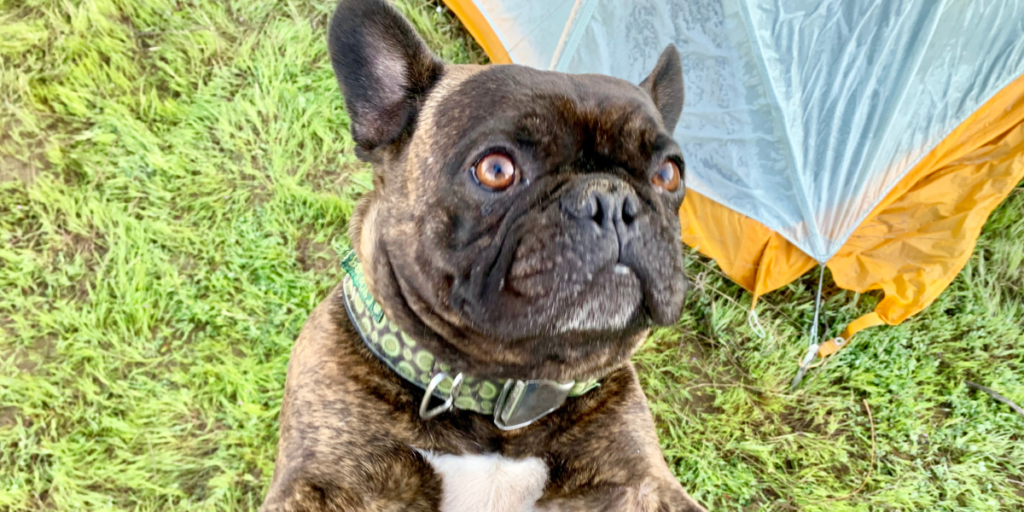
Expert Tips for Dog First Aid During Hiking
The last thing that anyone wants is to have a medical emergency with their furry best friend, so being prepared in the event of an emergency is key.
Having first aid items in your emergency kit is important, but don’t forget the most important part of protecting your four-legged friend is being prepared for paw injuries, health issues, and more.
Essential First Aid Skills for Dog Owners
As a dog owner, it’s crucial to have some basic first aid skills up your sleeve when you’re out hiking with your furry friend.
Here are some expert tips that can help you be prepared:
- Recognizing Signs of Distress or Injury
While hiking, it’s important to keep an eye out for any signs of distress or injury in your dog. Look for limping, excessive panting, lethargy, or changes in behavior. These could indicate pain or discomfort.
- Knowing What to Include in Your Dog’s First Aid Kit
It’s essential to pack a well-stocked first aid kit specifically tailored for your dog. Some key items to include are:
- Adhesive bandages and gauze pads
- Antiseptic wipes or solution
- Tweezers (for removing ticks)
- Scissors (to cut tape or bandages)
- Disposable gloves
- Emergency contact information (vet’s number)
- Understanding When to Seek Professional Veterinary Care
While you can handle minor injuries with the help of your first aid kit, there are times when it’s necessary to seek professional veterinary care.
If your dog has a deep wound, is bleeding excessively, has difficulty breathing, shows signs of poisoning or heatstroke, or any other severe symptoms, it’s best to consult a veterinarian immediately.
- Being Prepared for Common Outdoor Hazards
Dogs can encounter various hazards while hiking, such as cuts and scrapes from rocks or thorns, insect bites and stings, sprains from uneven terrain, and even encounters with wildlife. Knowing how to handle these situations can make all the difference.
Remember that prevention is key. Keep them hydrated, watch for signs of fatigue, and avoid areas with known dangers like toxic plants or busy roads.
By being prepared and knowledgeable about dog first aid, you can ensure a safe and enjoyable hiking experience for both you and your furry companion.
Addressing Common Injuries and Emergencies while Hiking with Dogs
Dog parents know that their pet’s safety is the most important thing to think of when taking your dog camping.
Identifying common injuries dogs may sustain while hiking
When you’re out in the great outdoors with your furry companion, it’s essential to be aware of the potential injuries they may encounter.
Cuts, sprains, and fractures are among the most common injuries dogs can sustain while hiking. Keep an eye out for any signs of limping, bleeding, or difficulty in movement.
Steps to take in case of emergencies
Emergencies can happen when we least expect them. It’s crucial to know how to handle these situations effectively.
If your dog experiences heatstroke on a hot day, find shade immediately and provide them with water to cool down gradually.
In the event of a snake bite, try to identify the snake but avoid putting yourself at risk. Seek immediate veterinary assistance as time is critical.
Allergic reactions can also occur during hikes due to insect bites or exposure to certain plants. Look out for excessive swelling, difficulty breathing, or vomiting.
Administering antihistamines specifically prescribed for dogs by a veterinarian may help alleviate symptoms until professional care is available.
Understanding the importance of quick action and proper treatment
Injuries and emergencies require swift action and appropriate treatment for better outcomes. Delaying treatment or providing inadequate care can worsen your dog’s condition and potentially lead to more severe complications.
By promptly addressing common injuries such as cuts, sprains, fractures, as well as taking immediate steps during emergencies like heatstroke or allergic reactions, you greatly increase your dog’s chances of recovery.
Remember that prevention is key too! Taking precautions such as keeping your dog on a leash when necessary, avoiding hazardous areas or substances, and being prepared with a well-stocked first aid kit tailored for camping with dogs will go a long way in ensuring their safety during outdoor adventures.
Preparing for Potential Dangers: Including Safety Measures in Your Pet First Aid Kit
To ensure the safety of your furry friend while camping, it’s crucial to have a well-equipped pet first aid kit.
Here are some essential safety measures you should include in your kit:
Protective Gear for Dogs
When exploring the great outdoors with your canine companion, accidents can happen. To prevent injuries, consider using protective gear such as booties or reflective vests for dogs.
Booties provide a barrier between their paws and rough terrain, protecting against cuts and scrapes. Reflective vests make them more visible, reducing the risk of accidents during low-light conditions.
Identification Tags and Microchipping
In case of an emergency situation where your dog gets separated from you, having proper identification is vital. Make sure your pet wears a collar with up-to-date identification tags that include their name and your contact information.
Consider microchipping your dog as an added precautionary measure. This small chip contains important details about your pet and can greatly increase the chances of being reunited if they go missing.
Emergency Situations: Gloves and Barrier Techniques
Sometimes emergencies arise where you need to administer first aid to your pet quickly. In these situations, having gloves in your first aid kit is essential to protect yourself from any potential hazards or infections.
Practicing barrier techniques like wrapping them in a blanket or using a towel can help keep both you and your pet safe during treatment.
By including these safety measures in your pet first aid kit, you’ll be better prepared to handle unexpected situations while camping with your furry friend.
Must-Have Items in a Pet First Aid Kit for Camping & Hiking
In order to ensure the safety and well-being of your furry friend during camping and hiking adventures, it is crucial to have a well-stocked pet first aid kit.
Here are some essential items that should be included in your kit:
Essential Aid Items
- Bandages: Pack a variety of bandages, including adhesive bandages, gauze pads, and self-adhesive wrap. These can be used to dress wounds or protect injured limbs.
- Antiseptics: Include antiseptic wipes or solution to clean wounds and prevent infection.
- Tweezers: Useful for removing splinters, thorns, or ticks from your dog’s skin.
- Scissors: Have a pair of scissors handy to cut bandages or trim hair around wounds.
- Disposable gloves: Protect yourself from potential infections by wearing disposable gloves when administering first aid.
Special Considerations for Camping & Hiking
- Tick Removers: Tick bites are common during outdoor activities, so make sure you have tick removers specifically designed for pets.
- Paw Balm: Protect your dog’s paws from rough terrain by applying paw balm regularly.
- Emergency Blankets: These lightweight blankets can provide warmth and protection in case of unexpected cold weather or emergencies.
Storing Medications Safely
- Medications: If your dog requires any specific medications, ensure they are stored securely in waterproof containers with clear labels indicating dosage instructions.
Remember to periodically check the expiration dates of all items in your pet first aid kit and replace them as needed.
Treating and Preventing Heat-Related Illnesses in Dogs during Outdoor Adventures
To ensure a safe and enjoyable outdoor adventure with your furry friend, it’s crucial to be aware of the risks of heat-related illnesses in dogs.
By taking preventive measures and knowing how to identify and treat these conditions, you can keep your canine companion cool and comfortable throughout your camping trip.
Tips for Preventing Heat Exhaustion or Heatstroke
- Provide shade: Set up a shaded area where your dog can take refuge from the scorching sun.
- Water breaks: Make sure to offer frequent water breaks to keep your dog hydrated.
- Avoid strenuous activities: During peak temperatures, avoid engaging in overly strenuous activities that can cause overheating.
Recognizing Signs of Heat-Related Illnesses
It’s essential to be able to recognize the signs of heat exhaustion or heatstroke in dogs. Look out for:
- Excessive panting
- Weakness or lethargy
- Rapid breathing
- Vomiting or diarrhea
- Bright red gums or tongue
Steps to Take if Your Dog Shows Symptoms
If you notice any signs of heatstroke in your dog, it’s important to act quickly. Follow these steps:
- Move them to a shaded area: Get your dog out of direct sunlight and into a cooler spot.
- Cool them down gradually: Wet their body with cool (not cold) water, focusing on areas like their belly and paws. You can also use wet towels or apply ice packs wrapped in cloth.
- Offer small amounts of water: Allow them to drink small amounts of cool water but avoid forcing large quantities.
- Seek veterinary assistance: Even if your dog seems to be recovering, it’s crucial to consult a veterinarian for further evaluation and guidance.
By taking these precautions and being vigilant about your dog’s well-being, you can ensure a safe and enjoyable outdoor adventure without the risk of heat-related illnesses.

Ensuring Your Dog’s Safety with a Well-Stocked First Aid Kit
Regularly checking and restocking your dog’s first aid kit is crucial before embarking on any camping or hiking trip.
A properly stocked dog first aid kit can be a lifesaver in emergencies, ensuring that you can provide immediate veterinary care to your furry friend when needed.
Here are some tips to help you organize and maintain a well-stocked first aid kit for your pup:
Organizing the Kit for Easy Access and Quick Response
Convenience is key. You want to ensure that all essential items are easily accessible in case of an emergency.
Consider using a waterproof container or bag to keep everything together and protected from the elements.
Here are some suggestions for organizing the content:
- Use ziplock bags or small containers to separate different items and prevent them from getting mixed up.
- Place important items like disposable gloves, a makeshift muzzle, and a towel at the top of the kit for quick access.
- Keep medications in their original packaging with clear labels indicating their names, dosage instructions, and expiration dates.
Understanding Medication Expiration Dates
Medications play a vital role in treating various ailments or injuries that your dog may encounter during outdoor adventures. However, it’s essential to understand medication expiration dates and replace them accordingly.
Expired medications may lose their effectiveness or even become harmful to your dog. Here are some guidelines regarding medication expiration dates:
- Regularly check the expiration dates of medications in your dog’s first aid kit.
- Replace expired medications promptly with fresh supplies.
- Consult with your veterinarian about proper storage conditions for medications to maximize their shelf life.
Remember, having a well-stocked first aid kit tailored specifically for your furry companion is always a good idea when venturing into the great outdoors. It ensures that you are prepared for any unexpected situations that may arise during your camping or hiking trips.
By following these tips and regularly checking and restocking your dog’s first aid kit, you can provide the necessary care and attention your pup needs in case of an emergency.
Treating Cuts, Wounds, and Abrasions in the Wilderness
Essential Items for Treating Cuts and Wounds
When you’re out camping with your furry friend, it’s important to be prepared for any mishaps that may occur.
One of the most common injuries dogs can experience while exploring the great outdoors are cuts, wounds, or abrasions.
To effectively treat these injuries, there are a few essential items you should have in your dog’s first aid kit:
- Sterile gauze pads: These are crucial for cleaning and covering wounds to prevent further contamination.
- Adhesive tape: Use this to secure the gauze pads in place and keep them clean.
- Wound cleansers: It’s important to have a mild wound cleanser or saline solution on hand to clean any dirt or debris from the wound.
Preventing Infection with Antiseptic Ointments or Sprays
Infection is a significant concern. After cleaning the wound, applying an antiseptic ointment or spray can help prevent bacterial growth and promote healing.
Be sure to follow the instructions on the product label and consult your veterinarian if you’re unsure about which one to use.
Proper Bandaging Techniques
Bandaging plays a vital role in protecting wounds until veterinary care is available. Here are some tips for applying bandages properly:
- Start with a sterile gauze pad directly over the wound.
- Secure it in place using medical tape or an adhesive bandage.
- If necessary, use a triangle bandage as a makeshift sling if your dog has injured their leg.
- Ensure that the bandage is snug but not too tight, as this can impede circulation.
- Keep an eye out for signs of discomfort or swelling around the bandaged area.
Remember that bandages should be changed regularly, and it’s essential to seek professional veterinary care for serious wounds or if the wound doesn’t improve within a day or two.
Addressing Common Digestive Issues: Medications and Remedies for Your Dog’s First Aid Kit
Camping or hiking with your furry friend can be a blast, but sometimes our canine companions may experience digestive issues that put a damper on the fun. It’s important to be prepared by including the right medications and remedies in your dog’s first aid kit.
Here are some tips to address common digestive issues and keep your pup happy on outdoor adventures.
Common Digestive Issues and Symptoms
Dogs, just like humans, can suffer from digestive problems while out in the wilderness. Diarrhea and vomiting are two of the most common issues you may encounter.
These symptoms can arise due to dietary changes, consuming contaminated water, or even scavenging for food.
Over-the-Counter Medications
Including certain over-the-counter medications in your dog’s first aid kit can help alleviate their digestive woes. Here are a few options:
- Anti-diarrheal medicine: This medicine contains ingredients that can help control diarrhea in dogs. However, it is crucial to consult with your vet before administering any medication.
- Probiotics: Probiotic supplements can promote healthy gut flora and aid digestion. They come in various forms such as powders or chews, making them easy to include in your dog’s first aid kit.
Managing Dietary Changes
Preventing stomach upset starts with managing dietary changes during outdoor adventures. Consider these tips:
- Stick to familiar foods: Introduce new foods gradually and avoid sudden dietary changes.
- Pack their regular food: Bring enough of their usual diet to maintain consistency.
- Avoid table scraps: While tempting, feeding your dog scraps from the campfire could lead to stomach issues.
By being proactive and prepared, you can ensure that your dog stays comfortable during camping trips or hikes.
Remember to always consult with your veterinarian before administering any medications and to tailor your approach based on your dog’s specific needs.

Dealing with Insect Bites and Stings: Essential Supplies for Your Dog’s First Aid Kit
Now that you have learned about the importance of a well-stocked first aid kit for your furry companion during outdoor adventures, let’s focus on dealing with insect bites and stings.
Just like humans, dogs can also fall victim to these pesky critters while exploring the great outdoors. To ensure your dog’s safety and comfort, it is crucial to include essential supplies in their first aid kit.
One must-have item is an antihistamine specifically formulated for dogs. This can help alleviate allergic reactions caused by insect bites or stings.
Pack some tweezers to safely remove any ticks or bee stingers that may become embedded in your dog’s skin.
Don’t forget to include a soothing ointment or spray designed to relieve itching and reduce inflammation caused by bug bites.
Remember, prevention is key! Consider using natural repellents like citronella or lemon eucalyptus oil to keep those pesky insects at bay. And always be vigilant when exploring new areas with your furry friend.
So, before embarking on your next camping trip with your beloved pup, make sure their first aid kit includes all the necessary supplies for dealing with insect bites and stings.
By being prepared and taking proactive measures, you can ensure a safe and enjoyable adventure for both you and your four-legged companion!
Can I use human insect repellent on my dog?
It is not recommended to use human insect repellent on dogs as some ingredients can be toxic to them. Look for dog-specific repellents that are safe for canine use.
How do I know if my dog is having an allergic reaction to an insect bite?
Signs of an allergic reaction may include swelling around the bite area, hives, difficulty breathing, or excessive scratching. If you notice any of these symptoms, seek veterinary attention immediately.
Can I use over-the-counter antihistamines for my dog’s allergic reactions?
It is essential to consult with your veterinarian before giving your dog any medications, including antihistamines. They will be able to recommend the appropriate dosage and specific medications suitable for your dog’s condition.
What should I do if my dog gets stung by a bee?
If your dog gets stung by a bee, try to remove the stinger using tweezers or scrape it off with a credit card.
Apply a cold compress to reduce swelling and monitor your dog for signs of an allergic reaction. Bee stings can be serious in dogs, so pay close attention.
Are there any natural remedies for soothing insect bites on dogs?
Yes, there are some natural remedies you can try, such as applying a paste made from baking soda and water.. However, always consult with your veterinarian before trying any home remedies.
WIll a human first aid kit work for a dog?
While your first-aid kit will be great for your own injuries and needs, it’s not going to have everything needed for serious injuries or issues. That is because creating a list of items to help a dog with specific items is very different than the items needed to help a human.
And remember, if you’re unsure of treatment options, always have your vets number on hand to reach out, too. They’ll know the best thing to do to get your pup feeling better in no time at all.
Leave a Reply