Unpredictable weather conditions and a lack of knowledge and preparation can turn a peaceful camping experience into a potentially dangerous situation.
Campers venturing out into the wilderness must be aware of the potential risks involved to ensure their safety. Let’s dive into the dangers of camping and how to be prepared!
Affiliate links are used in this post at no extra cost to you. As an Amazon Associate I earn from qualifying purchases. See my Disclosure and Privacy Policy for more info.
Severe storms, flash floods, or extreme temperatures can pose serious threats to tent campers. Encounters with wild animals or getting lost in unfamiliar territory are common hazards that campers may face.
By understanding these dangers and taking necessary precautions, campers can enjoy a safe and enjoyable outdoor experience.

Dangers of Camping
While it’s super important to use common sense while camping, there is dangerous activity that can and will happen. The good news is that you can plan ahead and be aware of dangerous situations so that you can understand a great way to react and plan.
Ensuring Adequate Food and Water Supply
Insufficient food and water supply during a camping trip can pose serious dangers to campers. It is crucial to prioritize the availability of nourishment and hydration to avoid dehydration, weakness, and other health issues.
Properly storing food is essential in order to prevent attracting wildlife that may pose a threat to camper safety.
Keeping food securely stored in sealed containers or coolers will help minimize the risk of encounters with curious animals such as bears or raccoons.
Check PriceCheck PriceCheck PriceCheck Price
Planning meals ahead of time is another important step in ensuring campers have enough sustenance throughout their trip. By considering the duration of the camping adventure and the number of people involved, campers can determine how much food they need to bring along.
This proactive approach helps avoid running out of supplies or relying on inadequate meal options.
In addition to food, having access to clean drinking water is vital for camper well-being. Campers should research the conditions at their chosen camping site and take appropriate action based on available resources.
If potable water is not readily available, it may be necessary to bring along water purification equipment or supplies.
Check PriceCheck PriceCheck PriceCheck Price
By prioritizing proper food storage, planning meals ahead of time, and ensuring access to clean drinking water, campers can mitigate potential risks associated with insufficient nourishment and hydration during their outdoor adventures.
Dealing with Rowdy Campsite Neighbors and Camping Alone
When camping, it’s important to be prepared for potential challenges that may arise. Two common concerns are dealing with rowdy campsite neighbors and camping alone.
Let’s explore some tips to handle these situations effectively.
Conflict resolution skills
Campsites can get crowded, and you might encounter disruptive neighbors who disturb your peace.
In such cases, having conflict resolution skills is crucial. Here’s what you can do:
- Remain calm: Stay cool-headed and avoid escalating the situation.
- Communicate politely: Approach your neighbors respectfully and express your concerns calmly.
- Seek help if needed: If the issue persists or becomes more serious, don’t hesitate to inform campground staff or park rangers.
Camping alone safety measures
If you choose to camp alone, it’s essential to take certain precautions for your safety. Consider the following:
- Inform someone: Before heading out on your solo adventure, let a trusted friend or family member know about your plans. Share details like your destination, expected return date, and contact information.
- Choose well-populated areas: Opt for established campgrounds or popular boondocking sites where there are other campers around. This way, you’ll have people nearby in case of any emergencies.
- Be cautious around unfamiliar campers: While making new friends is part of the enjoyable experience of camping, it’s wise to exercise caution when interacting with strangers. Trust your instincts and be mindful of personal belongings to prevent potential confrontations or theft.
Remember that camping should be a fun and enjoyable experience for everyone involved.
By employing conflict resolution skills when dealing with rowdy neighbors and taking necessary safety measures while camping alone, you can ensure a smooth journey in the great outdoors.
Preparedness for Tornadoes and Severe Storms
When camping, it’s important to be prepared for extreme weather conditions such as tornadoes and severe storms.
By monitoring weather forecasts before heading out, campers can stay informed about the potential dangers they might face. This knowledge allows them to make the right preparations to ensure their safety.
Monitoring Weather Forecasts
Keeping an eye on the weather forecast is crucial when planning a camping trip. It helps campers anticipate any upcoming severe storms or extreme weather conditions.
By staying informed, they can adjust their plans accordingly and make sure they have the necessary equipment and supplies to handle these situations.
Identifying Safe Shelters and Evacuation Routes
One of the most important aspects of preparing for tornadoes is identifying safe shelters or evacuation routes in advance. Campers should familiarize themselves with nearby structures that can offer protection during a storm.
If no shelter is available, knowing the best evacuation routes will help them move to a safer location quickly.
Securing Tents Properly
Strong winds are common during severe storms, and they can cause significant damage if tents are not secured properly.
Campers should ensure that their tents are securely staked into the ground using sturdy tent pegs or anchors. Tying guy lines tightly and using extra ropes or bungee cords can provide additional stability.
Being Mindful of Lightning Strikes and Flash Floods
During severe storms, lightning strikes pose a significant risk to campers. It’s essential to seek shelter indoors or inside a vehicle until the storm passes completely.
Moreover, flash floods can occur suddenly during heavy rainfall, so it’s crucial to avoid setting up camp in low-lying areas prone to flooding.
By taking these precautions and being prepared for extreme weather conditions, campers can minimize risks associated with tornadoes and severe storms while enjoying their camping experience.
Coping with Wildlife and Insect Risks
When camping in the great outdoors, it’s important to be aware of the potential dangers posed by wildlife and insects. By taking proper precautions, you can ensure a safe and enjoyable camping experience.
Here are some tips to help you cope with these risks:
Keeping a Safe Distance from Wild Animals
- Stay away from wild animals: It’s best to observe them from a distance and avoid approaching or feeding them.
- Learn about local wildlife: Research the types of animals that inhabit the area where you’ll be camping and understand their behaviors.
- Store food securely: Keep your food stored in sealed containers or bear-resistant canisters to prevent attracting bears, raccoons, or other wildlife.
- Dispose of trash properly: Make sure to dispose of any waste in designated containers so as not to attract animals.
Check PriceCheck PriceCheck PriceCheck Price
Using Insect Repellent Effectively
- Apply insect repellent: Use an insect repellent containing DEET or another effective ingredient to protect yourself from mosquito bites, ticks, or other pests.
- Wear protective clothing: Cover up exposed skin by wearing long sleeves, pants, and socks. Tuck your pants into your socks for added protection against ticks.
- Check for ticks regularly: After spending time outside, thoroughly check your body for ticks and remove them promptly if found.
Check PriceCheck PriceCheck PriceCheck Price
By following these guidelines, you can minimize the risk of encounters or attacks by wild animals while also preventing bites from mosquitoes, ticks, or other insects.
Remember that being cautious around nature is essential for both your safety and the well-being of the wildlife around you.
Falls, Injuries, and Medical Emergencies in Camping
Wearing appropriate footwear is crucial when camping to reduce the risk of slips, falls, or twisted ankles on uneven terrain. Choosing sturdy shoes with good traction that can handle various outdoor conditions is important.
Carrying a first aid kit is essential for immediate treatment of minor injuries while camping. The kit should include bandages, antiseptic ointment, adhesive tape, pain relievers, and any necessary medications for specific medical conditions. Having these supplies readily available allows campers to address small cuts, burns, or insect bites promptly.
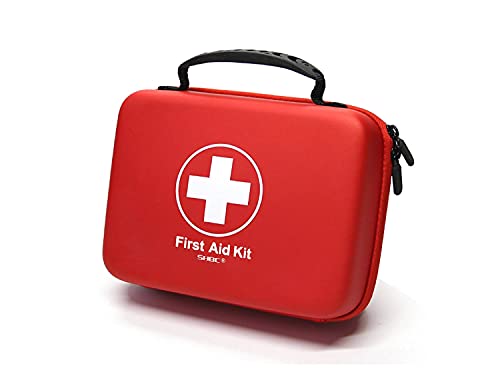
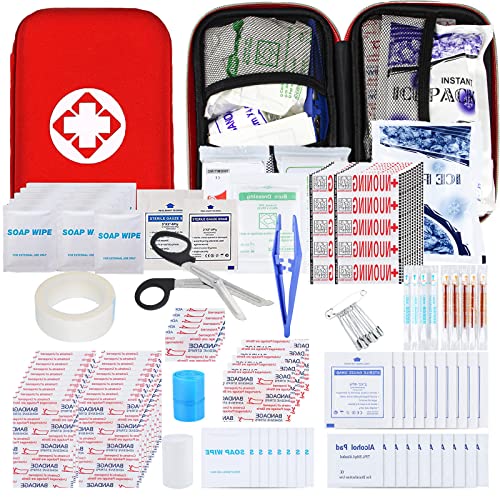
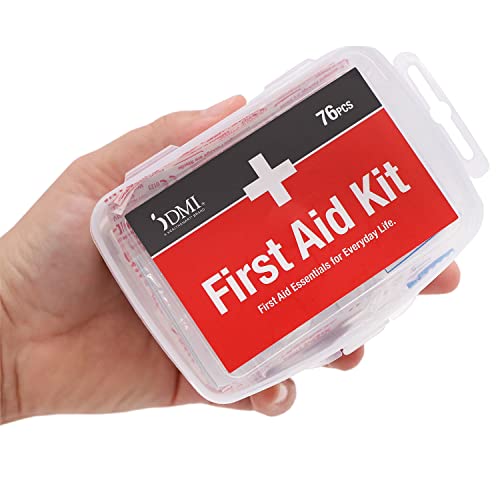
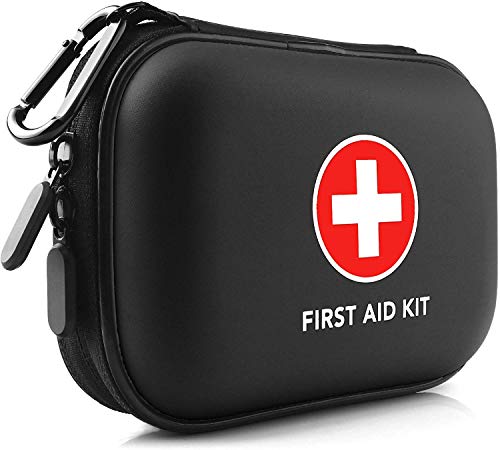


Knowing basic first aid techniques is vital for campers to respond quickly in case of medical emergencies. Being able to administer CPR or apply pressure to stop bleeding can be life-saving skills. Campers should familiarize themselves with how to treat common camping-related injuries such as sprains, strains, or burns.
In addition to falls and injuries, there are other potential dangers that campers should be aware of. Drowning can occur if proper water safety precautions are not taken near rivers, lakes, or swimming areas.
It’s important to swim only in designated areas and never leave children unattended near bodies of water.
Altitude sickness is another concern when camping at high elevations. Symptoms may include headache, dizziness, nausea, and shortness of breath. Campers should acclimatize gradually by ascending slowly and staying hydrated.
While camping offers many opportunities for adventure and fun in the great outdoors, it’s crucial to be prepared for potential dangers.
By wearing appropriate footwear, carrying a first aid kit, knowing basic first aid techniques and being aware of other risks like drowning and altitude sickness; campers can enjoy a safe and enjoyable experience in nature.
Managing the Dangers of Camping: Beyond Bears and Theft
Even if you don’t want to admit it, there’s a good chance that you’ll be dealing with dangerous wildlife when you’re camping.
Being Aware of Potential Dangers
When camping in the great outdoors, it’s essential to be aware of potential dangers beyond encounters with bears or theft. Falling branches can pose a significant risk, so it’s crucial to choose a safe location for setting up camp.
Be cautious of trees that appear dead or have weak branches, as they may fall unexpectedly. Unstable terrain can lead to trips and falls, so always watch your step and avoid areas with loose rocks or slippery surfaces.
Protecting Personal Belongings
Keeping your personal belongings secure is vital to prevent theft while camping. Make sure to lock your tents when leaving the campsite and keep valuable items out of sight.
It’s also a good idea to bring along a small lockbox or portable safe for storing important documents, cash, or electronic gadgets securely.
Understanding Campfire Risks
Campfires are an enjoyable part of camping; however, understanding the risks associated with them is crucial for everyone’s safety. Accidental burns can happen if proper precautions are not taken.
Always maintain a safe distance from the fire and never leave it unattended. Extinguish the fire completely before leaving the campsite by dousing it with water and ensuring there are no smoldering embers left.
Staying Prepared for Emergencies
Being prepared for emergencies is essential when camping in remote locations. Carry a first aid kit that includes basic medical supplies such as bandages, antiseptic ointment, and pain relievers. Familiarize yourself with basic first aid procedures like treating minor cuts or sprains. It’s also advisable to have emergency contact numbers readily available in case you need assistance from local authorities or medical services.
Remember that while camping is an exciting adventure filled with fun activities like hikes and exploring national parks, it’s crucial to stay vigilant about potential dangers and take necessary precautions to ensure a safe and enjoyable experience.
Mitigating Risks: Fire Hazards, Medical Emergencies, and Falls
There are potential risks that campers should be aware of in order to have a safe and enjoyable experience. Mitigating these dangers is crucial for a successful camping trip.
Let’s explore three common dangers faced by campers and how to minimize the risks associated with them.
Fire Hazards
One of the biggest hazards while camping is the risk of uncontrolled wildfires. To prevent fires from getting out of hand, it’s important to follow fire safety guidelines:
- Always extinguish campfires completely before leaving the site.
- Use designated fire pits or fire rings whenever possible.
- Keep flammable materials away from open flames.
- Be cautious when using portable stoves or lanterns.
Medical Emergencies
Being prepared for medical emergencies is essential when camping in remote areas. Here are some steps you can take to ensure quick assistance:
- Carry a first aid kit with essential supplies like bandages, antiseptic ointment, and pain relievers.
- Know emergency contact numbers for local authorities and nearby medical facilities.
- Inform someone about your camping plans and expected return time.
Falls
Falls can happen while hiking or navigating uneven terrain around the campsite. To reduce the chances of falls or injuries:
- Use handrails where available and walk carefully on slippery surfaces.
- Wear appropriate footwear with good traction.
- Avoid climbing on unstable rocks or steep slopes.
By being aware of these potential risks and taking necessary precautions, campers can significantly enhance their safety while enjoying the great outdoors.
Identifying Poisonous Plants and Berries in the Wilderness
When camping in the great outdoors, it’s crucial to be aware of the potential dangers that surround you. One such danger is coming into contact with poisonous plants and berries.
By familiarizing yourself with these plants and learning how to identify edible berries, you can avoid accidental ingestion or skin irritations.
Familiarizing oneself with poisonous plants helps avoid accidental ingestion or skin irritations.
Knowing which plants to avoid can prevent unpleasant encounters while camping. Some common poisonous plants include poison ivy, poison oak, and poison sumac. These plants can cause severe skin rashes and itching if touched.
It’s important to remember the saying: “Leaves of three, let them be.” This refers to the characteristic three-leaf pattern of many poisonous plants like poison ivy.
Consulting field guides or experts can provide valuable information on plant identification.
If you’re unsure about a particular plant or berry, it’s always best to seek guidance from reliable sources such as field guides or local experts. These resources can provide detailed information on plant identification, including photographs and descriptions of both poisonous and edible species.
Joining outdoor education programs or workshops led by experienced individuals can further enhance your knowledge in this area.
By taking the time to educate yourself about poisonous plants and learning how to identify edible berries accurately, you’ll be better equipped for a safe camping experience in the wilderness.
Prioritizing Safety in Camping Trips
From ensuring an adequate food and water supply to dealing with rowdy campsite neighbors, preparing for severe weather conditions, coping with wildlife and insect risks, managing falls and injuries, and identifying poisonous plants in the wilderness – we’ve covered it all.
It’s crucial to prioritize safety during camping trips to ensure a memorable experience without any unfortunate incidents.
Remember that while camping offers exciting opportunities for adventure and relaxation, being prepared is key. Always pack essential supplies such as first aid kits, extra food and water, appropriate clothing for varying weather conditions, and navigation tools. Stay informed about the potential dangers of your camping location by researching local wildlife, weather patterns, and any specific hazards.
By following these guidelines and adopting a safety-conscious mindset throughout your trip, you can make the most of your camping experience while minimizing risks.
Now that you know the best way to relax from the bustle of everyday life and keep yourself safe, have fun at the camp site or camping ground! The best thing that you can do is be aware, and then have a plan in place in case there is an emergency.
How can I protect myself from wildlife encounters while camping?
To protect yourself from wildlife encounters while camping, follow these tips:
- Store food securely in bear-resistant containers or hang it high out of reach.
- Avoid leaving food scraps or trash around your campsite.
- Make noise when hiking to alert animals of your presence.
- Keep a safe distance from wild animals if you encounter them.
- Learn about the specific wildlife species in the area you’re camping in before your trip.
What should I do if someone gets injured during a camping trip?
If someone gets injured during a camping trip:
- Assess the situation calmly and safely.
- Administer first aid if necessary or seek medical help if needed.
- Contact emergency services if the injury is severe or life-threatening.
- Follow proper protocols for immobilizing fractures or treating wounds until professional help arrives.
Make sure that you pay attention to serious injuries and get help first thing.
Are there any specific safety precautions for camping in areas prone to tornadoes?
Yes, if you are camping in an area prone to tornadoes, follow these safety precautions:
- Stay informed about weather forecasts and warnings.
- Identify a designated shelter area nearby or know where the nearest public shelter is located.
- Avoid setting up camp near trees or other objects that could become projectiles in high winds.
- If a tornado warning is issued, seek shelter immediately in a sturdy building or underground if possible.
How can I prevent falls and injuries while hiking or exploring during a camping trip?
To prevent falls and injuries while hiking or exploring during a camping trip:
- Wear appropriate footwear with good traction.
- Stay on marked trails and avoid risky areas.
- Use trekking poles for stability on uneven terrain.
- Pay attention to your surroundings and watch for potential hazards like loose rocks or slippery surfaces.
- Take breaks when needed to avoid fatigue, which can increase the risk of accidents.
What should I do if I come across poisonous plants during a camping trip?
If you come across poisonous plants during a camping trip:
- Educate yourself about common poisonous plants in the area you’re visiting before your trip.
- Learn to identify these plants based on their appearance and characteristics.
- Avoid touching or ingesting any unfamiliar plants.
Leave a Reply