Solo female camping is soaring in popularity as women embrace independence and the thrill of exploring nature on their own terms. Whether you’re a seasoned camper or a first-timer, camping alone as a woman can feel daunting, but it doesn’t have to be.
With the right preparation, mindset, and safety know-how, you can enjoy a rewarding and secure outdoor experience. This guide is packed with practical solo female camping safety tips to help you feel confident, prepared, and ready to hit the trails.
Let’s dive into everything you need to know for a safe and unforgettable adventure!

Pre-Trip Planning: Set Yourself Up for Success
Before you pack your tent, thorough planning is your first line of defense. Here’s how to get started:
Research Your Destination
- Choose established campgrounds with amenities like ranger stations, bathrooms, or cell service for your first few trips.
- Check for any safety alerts, such as wildlife activity or recent incidents, on park websites or apps like Recreation.gov.
- Look into backup campgrounds, especially first-come, first-served sites, in case your primary spot feels unsafe.
Check the Weather
- Verify the forecast multiple times before heading out. Bad weather can turn a fun trip into a dangerous one.
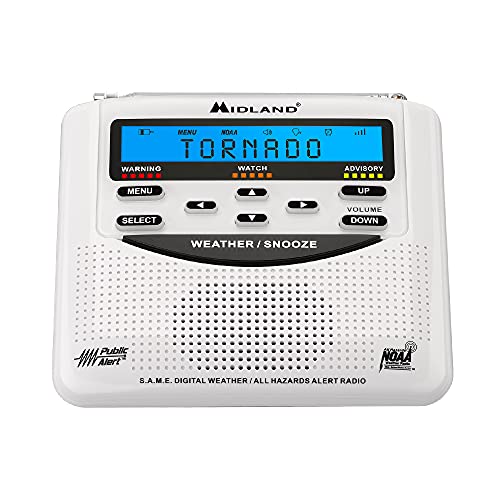
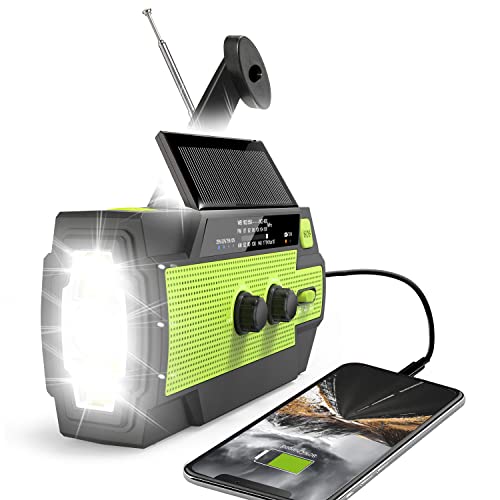
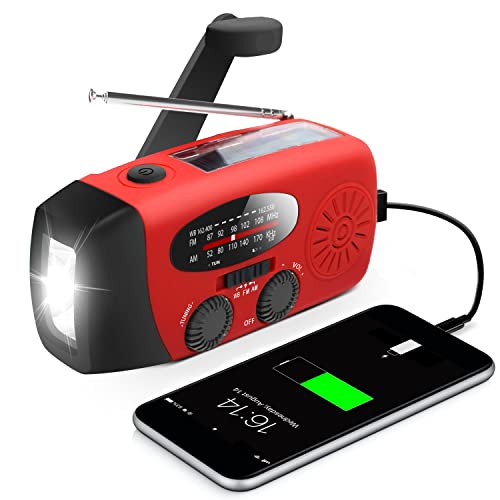
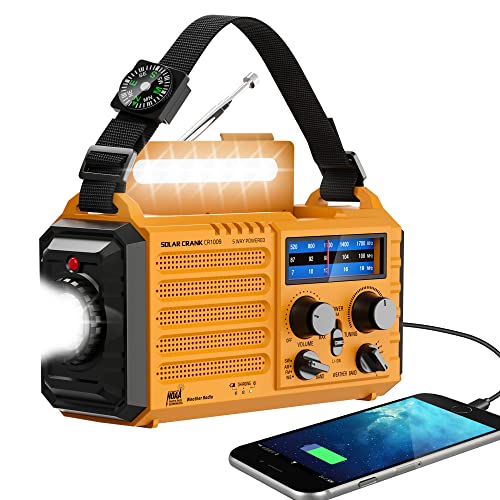
- Pack a weather radio to stay updated on conditions, especially in remote areas with no cell service.
- Know where to find emergency shelters at your campground in case storms hit.


Share Your Itinerary
- Tell a trusted friend or family member your exact plans, including your campsite location, planned activities, and expected return date.
- Share your location via apps like Find My Friends or drop a pin on Google Maps.
- Avoid posting your plans on social media in real-time to keep your location private.
Learn the Basics of Wilderness First Aid
- Pack a well-stocked first aid kit with bandages, antiseptic, pain relievers, and any personal medications.
- Take a basic first aid and CPR course through organizations like the American Red Cross, especially if you’re new to camping.
- For backcountry trips, consider a wilderness first aid certification to handle emergencies far from help.
Gear Up: Essential Equipment for Safety and Comfort
The right gear can make or break your solo camping experience. Test everything before you go to avoid surprises at the campsite. Here’s what every solo female camper needs:
The TenT Essentials
- Carry the essentials, including navigation tools, a headlamp, firestarter, and extra food and water.
- Double-check that your tent, sleeping bag, and other items are in working order before leaving home.
Check PriceCheck PriceCheck PriceCheck PriceCheck PriceCheck Price
Personal Locator Beacon (PLB)
- A PLB is a must-have for solo campers, especially in remote areas. It sends an SOS signal with your exact location via satellite, no cell service needed.
- Rent one if buying isn’t an option, or invest in a device like the Garmin inReach for two-way communication.
Self-Defense Tools
- Consider carrying pepper spray, bear spray, or a personal alarm for protection against wildlife or potential human threats.
- Take a self-defense class to learn techniques that boost your confidence and preparedness.
- If you choose to carry a knife or firearm, ensure you’re trained and comply with local laws.
Check PriceCheck PriceCheck PriceCheck Price
Communication Devices
- Bring a fully charged phone and a portable charger, even in areas with spotty service.
- Learn your phone’s emergency SOS features, like those on iPhones, which can alert authorities with your location.
Check PriceCheck PriceCheck PriceCheck Price
Lightweight and Compact Gear
- Opt for a backpacking tent, down-filled sleeping bag, and compressible sleeping pad to save space, especially if car camping.
- A tarp or rainfly is a lifesaver for unexpected weather changes.
Comfort Items
- A small camp chair or hammock adds comfort without taking up much space.
- Pack books, a journal, or downloaded music/Netflix for evening entertainment, as solo camping can feel quiet at night.

At the Campsite: Staying Safe and Aware
Once you arrive, staying vigilant and prepared keeps you secure. Here’s how to set up and stay safe:
Choose a Strategic Campsite
- Pick a site near other campers or amenities like bathrooms for added security, especially if it’s your first time.
- Avoid overly secluded spots until you’re more experienced, as they can feel unsettling alone.
- Note the location of the camp office or ranger station for quick access in emergencies.
Trust Your Intuition
- If a person or situation feels off, don’t hesitate to leave or seek help from rangers.
- You’re not obligated to engage with strangers if you’re uncomfortable—your safety comes first.
Stay Aware of Your Surroundings
- Observe who’s camping nearby and note any suspicious activity, like someone repeatedly passing your site.
- Keep your car keys close at night to use the panic button if needed.
Secure Your Food
- Use bear lockers or a bear canister to store food, trash, and scented items like toiletries to avoid attracting wildlife.
- Never keep food in your tent, as even small critters can cause trouble.
Master Fire Safety
- Learn how to build and extinguish a campfire safely. Practice at home if you’re new to fire-building.
- Carry a compact fire extinguisher for emergencies, especially if cooking over an open flame.
Bring a Furry Friend
- Ensure your pet is trained and comfortable in outdoor settings.
- If you have a dog, bring them along! They can provide companionship and alert you to potential dangers.

Building Confidence: Tips for First-Time Solo Campers
If you’re nervous about camping alone as a woman, these tips will help ease you into the experience:
Start Small
- Try a one-night trip at a nearby campground to build confidence.
- Practice setting up your tent in your backyard to get comfortable with your gear.
Connect with Other Campers
- Solo camping doesn’t mean you have to be isolated. Chat with fellow campers around a campfire to make friends, but stay cautious.
Embrace the Night
- Nighttime can feel intimidating. Use a bright headlamp, keep comforting items like headphones handy, and avoid true crime podcasts before bed.
- Remind yourself that most nighttime noises are just wildlife, not threats.
Reflect and Journal
- Bring a journal to document your thoughts and experiences. Solo camping is a powerful way to discover yourself and build resilience.

Extra Tips to Elevate Your Solo Camping Experience
Celebrate Your Independence: Solo camping is a bold move—take pride in your courage and enjoy the freedom it brings!
Take a Test Run: Do a day trip to your chosen campground without staying overnight to familiarize yourself with the area.
Learn Navigation Skills: Download offline maps or carry a physical map and compass for areas without cell service.
Pack Non-Perishables: Plan meals with shelf-stable foods to simplify cooking and storage.
Stay Organized: Keep essentials like your phone, keys, and safety tools in a dedicated spot for quick access.

Solo female camping is a life-changing adventure that empowers you to trust your instincts, embrace solitude, and connect with nature. With these solo camping safety tips, you’re ready to plan a trip that’s both thrilling and secure.
Whether you’re pitching a tent in a bustling campground or venturing into the backcountry, preparation is your superpower.
So, pack your gear, hit the road, and discover the joy of camping alone as a woman. Your next great adventure awaits!



Leave a Reply