Camping is one of the best ways to disconnect from the daily grind and reconnect with nature. But when it comes to choosing between car camping and tent camping, the decision isn’t always straightforward.
Both styles have their unique perks and challenges, and the right choice depends on your preferences, comfort level, and the kind of adventure you’re seeking. Let’s break it down to help you decide which camping style suits you best.

What’s the Difference Between Car Camping and Tent Camping?
Car Camping
Car camping is all about convenience. You drive your vehicle to a campsite and set up camp nearby, using your car as a base for storage, shelter, and sleeping. It’s perfect for those who want extra gear, like coolers, camp chairs, or even a portable stove, without worrying about carrying everything on their back.
Car camping is ideal for families, beginners, or anyone who wants a more comfortable outdoor experience.
Tent Camping
Tent camping is the classic camping experience. You carry your gear (often in a backpack) to a campsite, which might involve hiking or trekking to a remote location. It’s a minimalist approach that emphasizes self-sufficiency and immersion in nature.
Tent camping is great for adventurers who want to explore off-the-beaten-path destinations and enjoy a deeper connection with the outdoors.
Pros and Cons of Car Camping
Pros:
- Comfort and Convenience: Your car acts as a mobile storage unit, so you can bring along extra gear, like air mattresses, cooking equipment, and even a portable power source.
- Weather Protection: If it rains or gets cold, you can retreat to your car for shelter or sleep inside for added warmth.
- Easy Setup: No need to pitch a tent—just park, unload, and you’re ready to go.
- Accessibility: Great for families or those with limited mobility, as you don’t need to hike to your campsite.
Cons:
- Limited Space: Sleeping in your car can feel cramped, especially if you share the space with others.
- Ventilation Issues: Cars can get stuffy, and condensation might build up overnight.
Affiliate links are used in this post at no extra cost to you. As an Amazon Associate I earn from qualifying purchases. See my Disclosure and Privacy Policy for more info.
Check PriceCheck PriceCheck PriceCheck Price
Pros and Cons of Tent Camping
Pros:
- Closer to Nature: Tent camping lets you fully immerse yourself in the outdoors, from falling asleep under the stars to waking up to the sounds of birds chirping.
- Flexibility: You can camp in remote areas that aren’t accessible by car, giving you more options for solitude and adventure.
- Spaciousness: A good-sized tent can feel like a mini-home, with plenty of room for gear and movement.
Cons:
- Exposure to the Elements: Tents offer less protection from rain, wind, and temperature fluctuations.
- Setup Time: Pitching a tent can be time-consuming, especially if you’re new to it or dealing with uneven terrain.
- Physical Effort: You’ll need to carry all your gear, which can be tiring if you’re hiking to your campsite.
Which is Better for Bad Weather?
Car camping has the upper hand if you’re expecting rain, wind, or cold temperatures. Your vehicle provides a solid shelter, and the enclosed space helps retain body heat. Plus, you can quickly drive away if the weather turns dangerous.
That said, if you’re prepared, tent camping can still work in bad weather. A high-quality, weatherproof tent, a sturdy rainfly, and a ground tarp can keep you dry and comfortable. Just make sure to choose a campsite that’s not prone to flooding.
Check PriceCheck PriceCheck PriceCheck PriceCheck PriceCheck PriceCheck PriceCheck Price
Do You Need a Big Vehicle for Car Camping?
Not at all! You can car camp in almost any vehicle, from a compact sedan to a station wagon. Smaller cars like a Toyota Prius are great for solo campers, while larger vehicles like SUVs or vans offer more space for groups or families.
If you’re new to car camping, your first trip might feel a bit rough, but you’ll quickly learn how to optimize your space for comfort.



Cost and Accessibility
Car Camping:
- Pros: You don’t need to invest in a lot of specialized gear, and you can use your existing vehicle.
- Cons: Fuel costs and wear-and-tear on your car can add up over time.
Tent Camping:
- Pros: Tents are generally affordable, and you can camp almost anywhere, from established campgrounds to backcountry sites.
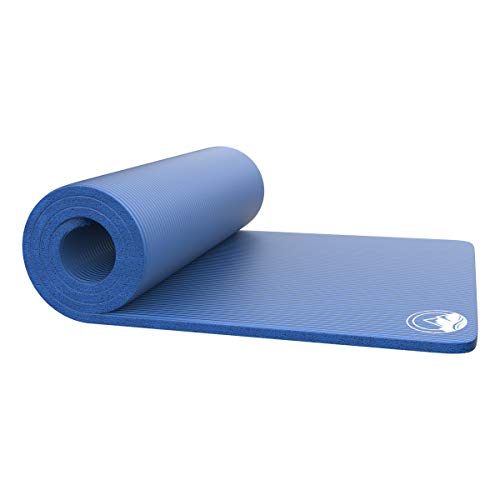
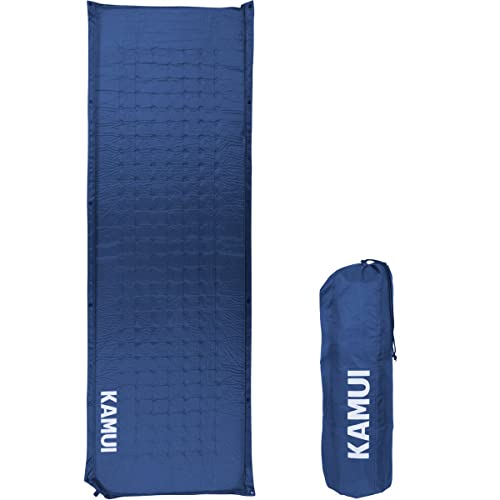
- Cons: You’ll need to buy additional gear like sleeping bags, pads, and cooking equipment, which can be pricey upfront.
Check PriceCheck PriceCheck PriceCheck Price
How to Prepare for Car Camping
- Pack Smart: Bring essentials like an air mattress, blankets, a portable stove, and a cooler for food.
- Organize Your Space: Use storage bins to keep your gear tidy and accessible.
- Ensure Ventilation: Crack a window or use a battery-powered fan to prevent condensation.
- Check Campsite Rules: Make sure your chosen site allows car camping.
Check PriceCheck PriceCheck PriceCheck Price
How to Prepare for Tent Camping
- Choose the Right Tent: Pick one that’s suitable for the weather and the number of people.
- Practice Setting Up: Familiarize yourself with your tent at home to save time at the campsite.
- Pack Light but Smart: Bring only what you need, focusing on essentials like a sleeping bag, pad, and cooking gear.
- Stay Dry: Use a ground tarp and rainfly to protect against moisture.
Check PriceCheck PriceCheck PriceCheck PriceCheck PriceCheck Price
Both car camping and tent camping have their unique charms. Car camping is the way to go if you value comfort, convenience, and the ability to bring extra gear.
On the other hand, if you crave adventure, solitude, and a deeper connection with nature, tent camping might be your best bet.
The good news? You don’t have to choose just one. Trying both styles can help you discover what you enjoy most about camping. Whether you’re roasting marshmallows by the car or falling asleep to the sounds of the wilderness in a tent, the goal is to enjoy the great outdoors and create lasting memories.
So, grab your gear, pick your style, and get out there—your next adventure awaits!
Leave a Reply