Car camping is the perfect way to dive into the great outdoors without needing a ton of gear or wilderness survival skills. It’s all about camping near or from your vehicle, giving you the freedom to explore nature while keeping the comforts of your car close by.
Whether you’re a first-timer or a seasoned adventurer looking for a low-key getaway, car camping is approachable, flexible, and packed with possibilities. Below, I’ll break down what car camping is, why it’s awesome, and share a boatload of tips to make your trip unforgettable.
What Exactly Is Car Camping?
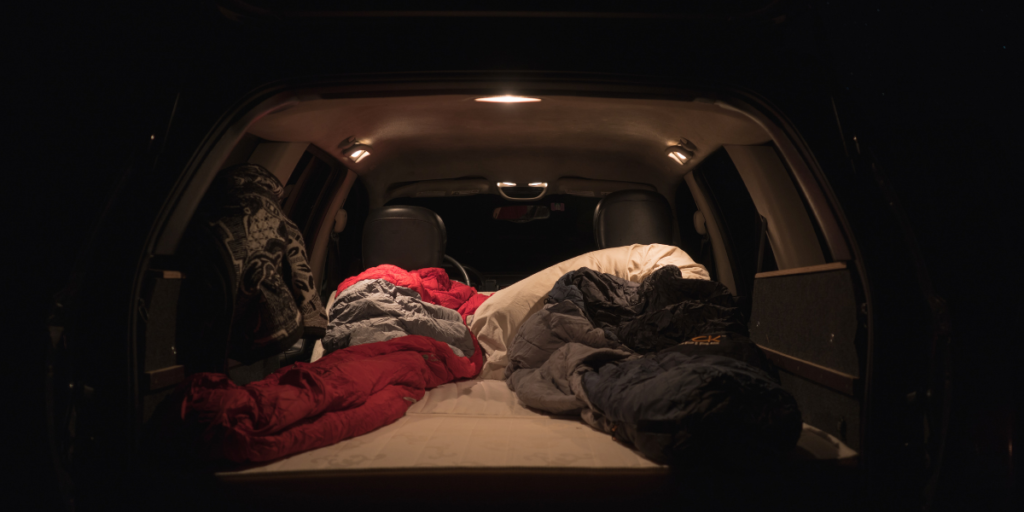
At its core, car camping means camping in a spot where your vehicle is nearby—think campgrounds, national parks, or designated dispersed camping areas. Unlike backpacking, where you hike miles into the wilderness with everything on your back, car camping lets you drive right up (or close) to your campsite. You sleep in a tent, your car, or sometimes even an RV, and your vehicle acts as your home base for storing gear, food, and supplies.
The beauty of car camping is its simplicity. You don’t need to be an expert outdoorsman, and you can bring along more creature comforts than you would if you were backpacking. It’s perfect for families, beginners, or anyone who wants to enjoy nature without roughing it too much.
Why Choose Car Camping?
- Ease of Access: No long hikes required—just drive, park, and set up camp.
- More Gear, Less Stress: Your car can hold coolers, extra blankets, camp chairs, and more.
- Flexibility: Stay for a night or a week, and move to a new spot easily.
- Family-Friendly: Great for kids, pets, or anyone who needs a bit more comfort.
- Budget-Friendly: Campgrounds are often cheaper than hotels, and you can cook your own meals.
Check PriceCheck PriceCheck PriceCheck Price
Types of Car Camping
Car camping isn’t one-size-fits-all. Here are the main ways people do it:
1. Tent Camping
Pitch a tent near your car at a campground or dispersed site. You’ll use your vehicle for storage and transport but sleep under the stars (or nylon).
2. Car Sleeping
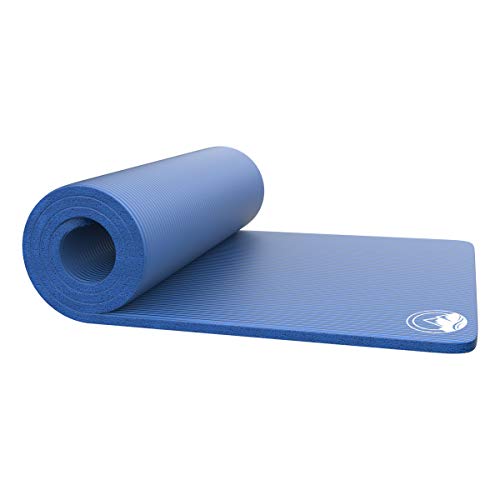
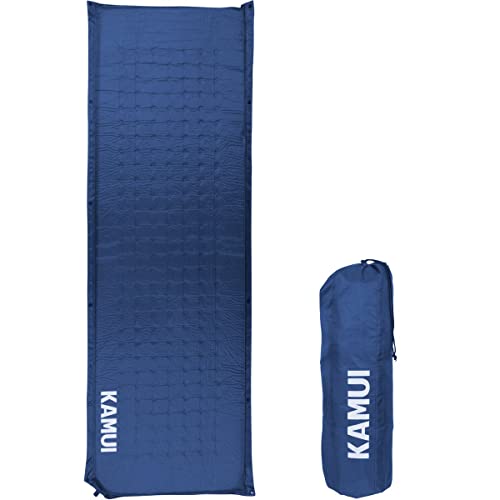
Turn your car into your bedroom! Fold down seats, add a mattress or sleeping pad, and you’ve got a cozy, weatherproof shelter. SUVs, vans, and hatchbacks work great for this.



3. Rooftop Tent Camping
Mount a tent on top of your vehicle for an elevated sleeping experience. It’s quick to set up and keeps you off the ground, away from critters.
4. RV or Camper Camping
While some consider this a separate category, RV camping often falls under car camping when you’re using a vehicle-based setup at a campground with amenities.

Essential Tips for Car Camping Success
Here’s where the fun begins! These tips will help you plan, pack, and enjoy your car camping adventure like a pro.
Planning Your Trip
- Research Your Destination: Check out national parks, state parks, or Bureau of Land Management (BLM) areas. Apps like Recreation.gov or The Dyrt can help you find campgrounds with amenities like toilets or showers.
- Check Regulations: Some sites require reservations, permits, or have specific rules (e.g., no campfires). Always verify pet policies if you’re bringing Fido.
- Know the Weather: Pack for the conditions—extra layers for cold nights or tarps for rain.
- Plan Your Meals: Make a meal plan to avoid overpacking or running out of food. Pre-prep ingredients at home to save time.
- Reserve Early: Popular campgrounds fill up fast, especially in summer or near holidays. Book months in advance if possible.
- Have a Backup Plan: If your chosen site is full, know nearby alternatives or dispersed camping options.
Check PriceCheck PriceCheck PriceCheck PriceCheck PriceCheck PriceCheck PriceCheck Price
Packing Smart
- Choose the Right Tent: A 4-person tent is great for two people plus gear. Ensure it’s weather-appropriate and easy to set up.
- Pack a Sleeping Pad or Mattress: Comfort is key! Inflatable pads or foam mattresses make a huge difference.
- Bring a Cooler: Keep food fresh with a high-quality cooler and ice packs. Separate food and drinks to avoid constant opening.
- Organize with Bins: Use plastic totes or duffel bags to keep gear tidy in your car. Label them for easy access.
- Pack Light (But Not Too Light): You can bring more than backpacking, but don’t overload your car. Prioritize essentials like food, water, and shelter.
- Don’t Forget Lighting: Headlamps, lanterns, or string lights make evenings safer and more fun.
- Bring Extra Fuel: A small gas can ensures you don’t get stranded if you’re exploring remote areas.
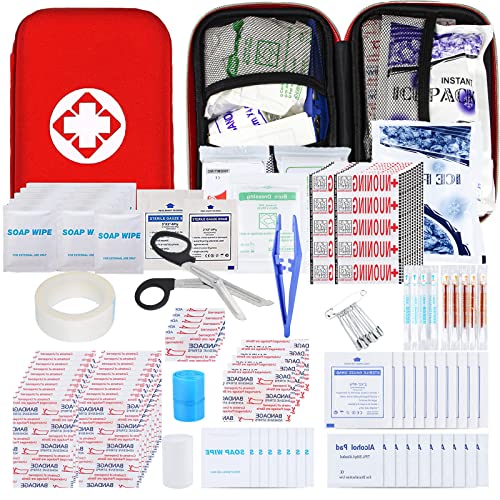
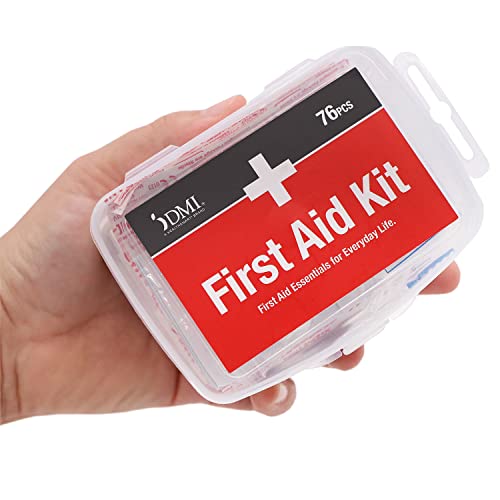
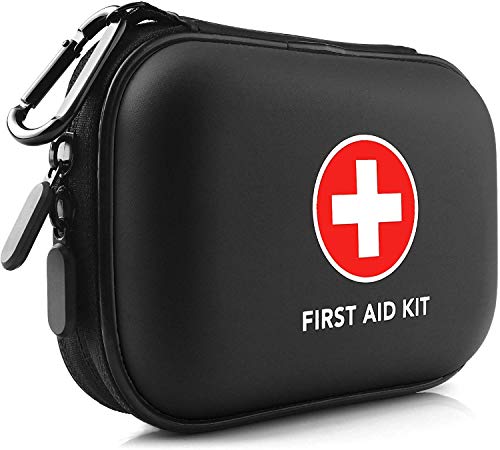
- Pack a First-Aid Kit: Include bandages, antiseptic, pain relievers, and any personal medications.
- Include Repair Tools: Duct tape, a multi-tool, and a tire repair kit can save the day.


Setting Up Camp
- Pick a Level Spot: A flat campsite prevents you from rolling downhill in your sleep.
- Use a Ground Tarp: Protect your tent’s floor from rocks and moisture.
- Organize Your Site: Set up a cooking area, sleeping area, and hangout zone to keep things functional.
- Secure Food from Wildlife: Use bear-proof containers or lock food in your car to avoid attracting animals.
- Test Your Gear: Practice setting up your tent or rooftop tent at home to avoid surprises.
- Bring Shade: A canopy or tarp provides relief from sun or light rain.
Check PriceCheck PriceCheck PriceCheck Price
Cooking and Food
- Invest in a Camp Stove: A two-burner propane stove is versatile and easy to use. Ventilate well if using or use outside.
- Pack Easy Meals: Think one-pot dishes like chili or foil-packet meals that cook over a fire.
- Bring a French Press or Instant Coffee: Mornings in nature deserve good coffee.
- Use Reusable Tableware: Avoid single-use plastics with a camping mess kit.
- Store Food Properly: Keep perishables cold and non-perishables in sealed containers.
- Plan for Snacks: Trail mix, granola bars, or fruit keep everyone happy between meals.
- Bring Extra Water: Aim for 1 gallon per person per day for drinking, cooking, and cleaning.
Staying Comfortable
- Layer Your Clothing: Mornings and evenings can be chilly, even in summer.
- Bring Camp Chairs: Folding chairs make relaxing by the fire way better.
- Pack Bug Protection: Bug spray, citronella candles, or a screened tent keep pests at bay.
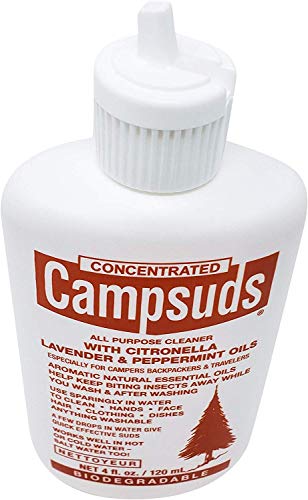
- Stay Clean: Biodegradable soap, a small basin, and wet wipes help with dishes and personal hygiene.
- Bring Entertainment: Cards, a frisbee, or a book are great for downtime.
- Use a Sleeping Bag Liner: It adds warmth and keeps your bag clean.



Safety and Etiquette
- Follow Leave No Trace: Pack out all trash, respect wildlife, and leave your site better than you found it.
- Know Fire Safety: Check fire restrictions, keep fires small, and fully extinguish them before leaving.
- Be Bear Aware: In bear country, use bear bags or canisters and never store food in your tent.
- Respect Quiet Hours: Most campgrounds have quiet hours (usually 10 p.m. to 6 a.m.)—stick to them.
- Stay on Designated Sites: Avoid trampling vegetation or creating new campsites.
- Check Your Car: Ensure tires, brakes, and fluids are ready for rough roads or long drives.
Pro Tips for Next-Level Car Camping
- Create a Car Bed: If sleeping in your car, use a platform or fold-down seats with a foam mattress for comfort.
- Use Solar Power: A portable solar charger keeps your phone or lights powered.
- Bring a Hammock: It’s a comfy way to lounge and packs small.
- Download Offline Maps: Cell service can be spotty—apps like Gaia GPS work offline.
- Pack a Portable Toilet: For remote sites without facilities, a portable toilet or wag bags are a game-changer.
- Try Overlanding: If you love car camping, explore off-road routes with a 4WD vehicle for a more adventurous vibe.
Car camping is your ticket to adventure, blending the thrill of the outdoors with the convenience of your vehicle. Whether you’re roasting marshmallows, hiking epic trails, or just chilling by a lake, it’s all about making memories in nature.
With these tips, you’re ready to hit the road and camp like a champ. So, pack your car, grab some friends or family, and go explore—the wilderness is calling!
Leave a Reply