Van camping is the perfect blend of adventure, freedom, and comfort. Whether you’re hitting the road for a weekend or embarking on a cross-country journey, living out of a van lets you explore the great outdoors while keeping things cozy.
Below, I’ve packed this guide with practical tips and ideas to make your van camping experience smooth, fun, and memorable. From planning your trip to setting up your van, here’s everything you need to know.

Why Choose Van Camping?
Van camping offers a unique way to travel. You’re not tied to hotel reservations or rigid itineraries, and you can wake up to a new view every morning. It’s more comfortable than tent camping but less expensive than RVing. Plus, you can customize your van to fit your needs, whether you’re a minimalist or want all the creature comforts. Ready to hit the road? Let’s dive into the tips!
Planning Your Van Camping Adventure
Good planning sets the stage for a stress-free trip. Here’s how to get started:
1. Choose the Right Van
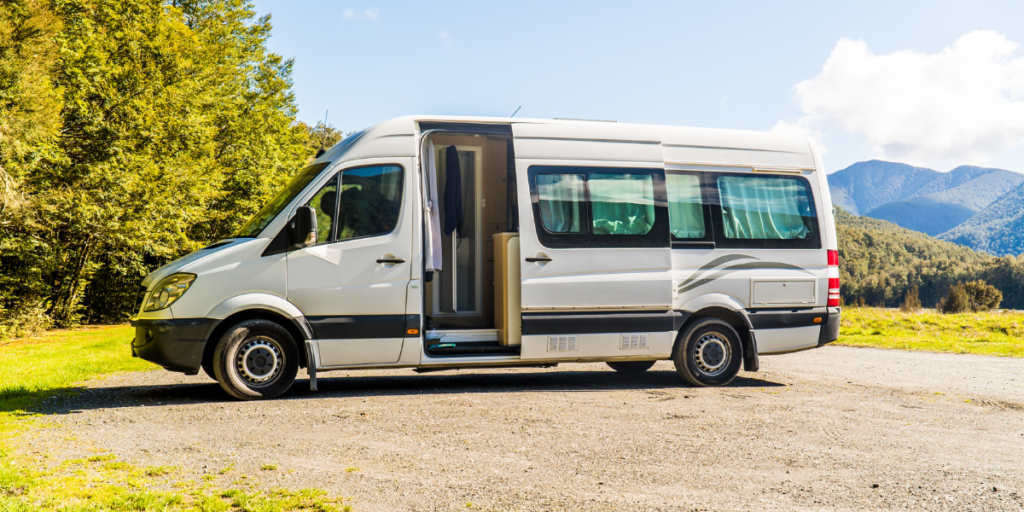
- Size matters: Pick a van that suits your needs. A compact van like a VW Westfalia is great for solo travelers or couples, while a larger cargo van (like a Sprinter or Ford Transit) works for families or those wanting extra space.
- Conversion vs. DIY: Decide if you want a pre-converted camper van or a DIY project. Pre-converted vans are ready to go but pricier. DIY conversions let you customize but require time and skills.
- Check reliability: Ensure the van is mechanically sound. Get a pre-trip inspection to avoid breakdowns.
2. Map Out Your Route
- Research destinations: Use apps like iOverlander, Campendium, or The Dyrt to find campsites, dispersed camping areas, or boondocking spots.
- Plan for flexibility: Leave room for spontaneous detours. Some of the best experiences come from unexpected stops.
- Check regulations: Some areas require permits or have restrictions on overnight parking. Look up rules for national forests, BLM land, or state parks.
3. Pack Smart
- Pack light but prepared: Space is limited, so prioritize multi-use items (e.g., a spork, a jacket that doubles as a pillow).
- Seasonal gear: Pack for the weather—warm layers for cold nights, lightweight clothes for summer.
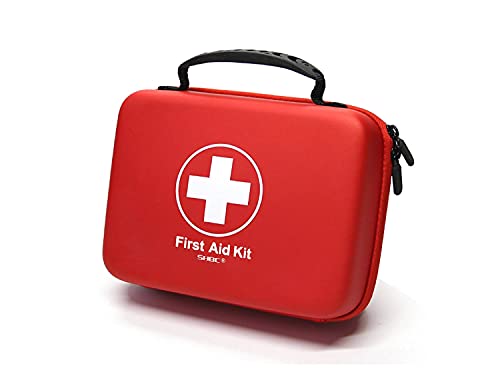
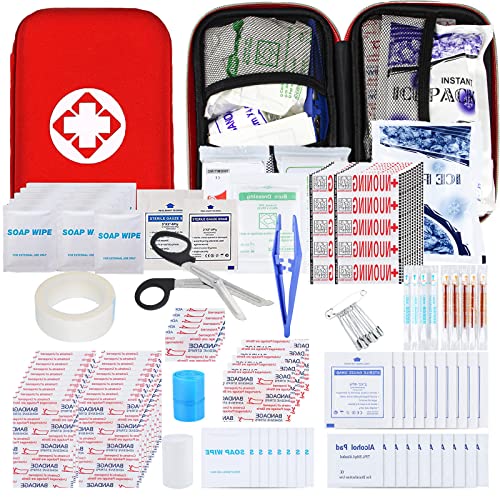
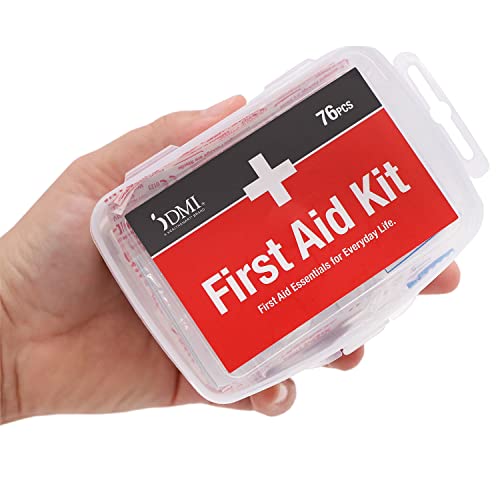
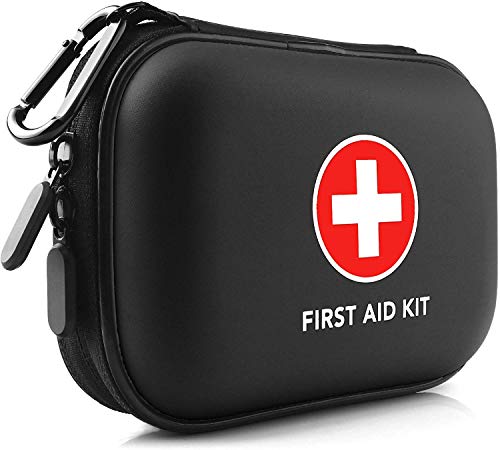
- Emergency kit: Include a first-aid kit, tire repair kit, jumper cables, and a multi-tool.


4. Budget Wisely
- Fuel costs: Gas can add up, so calculate your route’s fuel expenses using apps like GasBuddy.
- Campsite fees: Paid campgrounds range from $10-$50 per night. Free dispersed camping on public lands can save money.
- Food planning: Cooking your own meals is cheaper than eating out. Stock up on non-perishables like pasta, rice, and canned goods.
Setting Up Your Van for Comfort
Your van is your home on wheels, so make it functional and cozy. Here are tips for outfitting it:
5. Create a Comfortable Sleeping Space
- Bed setup: Invest in a good mattress or foam pad. A platform bed with storage underneath maximizes space.
- Ventilation: Install a roof vent (like a MaxxAir fan) to keep air circulating and prevent condensation.
- Blackout curtains: Use reflective window covers for privacy and temperature control.
Check PriceCheck PriceCheck PriceCheck Price
6. Organize Storage
- Use modular storage: Stackable bins, collapsible crates, or hanging organizers keep things tidy.
- Maximize vertical space: Install shelves or hooks for gear like cooking utensils or clothes.
- Keep essentials accessible: Store frequently used items (like headlamps or snacks) in easy-to-reach spots.
7. Set Up a Kitchen
- Portable stove: A dual-burner propane stove (like a Coleman) is compact and reliable. Ventilate well if using and use outside.
- Cooler or fridge: A 12V fridge is ideal for longer trips, but a high-quality cooler with ice works for shorter adventures.
- Water storage: Carry at least 5-7 gallons of water in a BPA-free container. A hand-pump or spigot makes dispensing easy.
- Cooking essentials: Pack a lightweight pot, pan, cutting board, and basic utensils. A nesting cookware set saves space.
Check PriceCheck PriceCheck PriceCheck Price
8. Power Your Van
- Solar power: A portable solar panel (100-200 watts) can charge devices and run small appliances.
- Battery system: A deep-cycle battery with an inverter powers lights, fans, or a fridge. Connect it to your van’s alternator for charging while driving.
- Lighting: LED string lights or a rechargeable lantern create a cozy vibe and save power.
9. Stay Clean
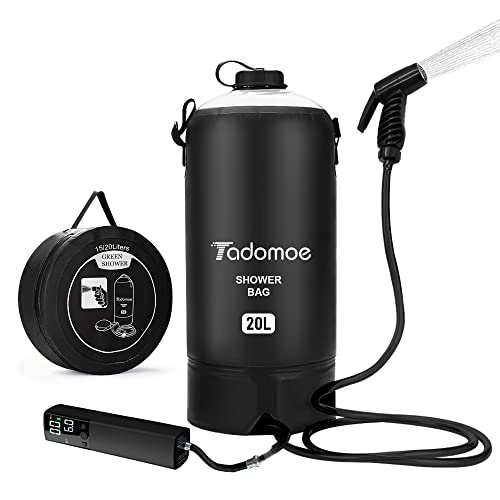
- Portable shower: A solar shower bag or pressurized sprayer is great for quick rinses.
- Biodegradable soap: Use eco-friendly products to minimize environmental impact.
- Laundry: Pack a small scrubba wash bag for washing clothes on the go.


Staying Safe and Legal
Safety is key when you’re out in the wild. Here’s how to stay secure and follow the rules:
10. Prioritize Safety
- Know your surroundings: Research wildlife risks (e.g., bears) and how to store food properly.
- Stay connected: Carry a satellite communicator (like a Garmin inReach) for areas without cell service.
- Fire safety: Follow campfire regulations and always fully extinguish fires.
11. Follow Leave No Trace Principles
- Pack out trash: Bring trash bags and dispose of waste properly.
- Respect nature: Stick to established campsites to avoid damaging vegetation.
- Minimize noise: Keep music low to respect other campers and wildlife.
12. Understand Local Laws
- Parking rules: Overnight parking isn’t allowed everywhere. Avoid private property and check for “No Overnight Parking” signs.
- Permits: Some national parks or forests require camping permits. Apply in advance if needed.
- Boondocking etiquette: Move to a new spot every 14 days on public lands to comply with regulations.

Making the Most of Your Adventure
Van camping is about enjoying the journey. Here’s how to elevate your experience:
13. Embrace the Outdoors
- Hiking gear: Pack sturdy shoes, a daypack, and trekking poles for exploring trails.
- Outdoor activities: Bring a hammock, kayak, or bike to make the most of your surroundings.
- Stargazing: A compact telescope or star map app enhances clear nights.
Check PriceCheck PriceCheck Price
14. Stay Connected (or Disconnect)
- Wi-Fi options: A mobile hotspot or signal booster keeps you online for remote work or navigation.
- Digital detox: Consider unplugging to fully immerse yourself in nature.
15. Document Your Journey
- Journaling: Keep a travel journal to capture memories.
- Photography: A lightweight camera or your phone can snap stunning landscapes.
- Share your story: Post updates on social media or a blog to inspire others (but avoid sharing exact locations to protect pristine spots).
16. Cook Creative Meals
- One-pot meals: Simplify cooking with recipes like chili, stir-fry, or pasta.
- Spice it up: Pack a small spice kit to elevate flavors.
- Forage safely: If you’re experienced, try foraging edible plants (always confirm with a guidebook).
17. Stay Flexible
- Weather changes: Have backup plans for rain, like indoor activities or a cozy van day with books and games.
- Adapt to challenges: Mechanical issues or crowded campsites happen. Stay calm and problem-solve.
Tips for Solo or Group Camping
18. Solo Camping
- Safety first: Share your itinerary with a friend and check in regularly.
- Compact setup: A smaller van is easier to manage alone.
- Enjoy solitude: Bring books, music, or a journal for quiet moments.
19. Group or Family Camping
- Space planning: Assign sleeping and storage areas to keep things organized.
- Activities for all: Plan kid-friendly hikes or group games like frisbee or cards.
- Divide tasks: Share cooking, cleaning, and driving duties to keep everyone happy.
Seasonal Van Camping Tips
20. Summer Camping
- Stay cool: Park in shaded areas and use reflective window covers.
- Hydration: Carry extra water and electrolyte packets.
- Bug protection: Use screens on windows and pack bug spray.
21. Winter Camping
- Insulation: Add foam board or reflectix to windows to retain heat.
- Traction: Carry snow chains or all-terrain tires for icy roads.
Troubleshooting Common Issues
22. Limited Space
- Declutter regularly: Donate or toss unused items every few weeks.
- Multi-use gear: Choose items like a sleeping bag that compresses small or a pot that doubles as a bowl.
23. Staying Clean Without Facilities
- Wet wipes: Great for quick cleanups when showers aren’t available.
- Public showers: Look for gyms, truck stops, or rec centers with shower facilities.


24. Dealing with Breakdowns
- Roadside assistance: Sign up for a service like AAA for peace of mind.
- Basic repairs: Learn to change a tire, check oil, and jump-start your van.
Van camping is all about freedom and adventure. With the right preparation, you can hit the road confidently, knowing you’re ready for whatever comes your way.
Whether you’re chasing sunsets, hiking epic trails, or just enjoying a quiet night under the stars, your van is your ticket to unforgettable memories. So pack up, plan smart, and embrace the journey—happy camping!
Leave a Reply