Camping was once the fallback plan for people who wanted a vacation without the price tag. A tent, a cooler, a state park site, and a few days off work were enough. For decades, camping meant low-cost travel, simple meals, and minimal planning.
That version still exists, but it is no longer the default. Today, many campers are surprised to find that a weekend outdoors can cost as much as a short hotel stay. Campsite fees are higher, reservations are harder to secure, and even basic trips require more gear, more planning, and more money.
Camping did not suddenly become expensive overnight. It changed gradually, shaped by demand, infrastructure strain, and shifting expectations about comfort and convenience.

Demand exploded, but space did not
One of the biggest drivers of rising camping costs is simple math. More people want to camp, but the number of campsites has not grown at the same pace.
Public interest in camping surged during the pandemic, when travel restrictions and safety concerns pushed families toward outdoor recreation. Many of those new campers stayed. Campgrounds that once had plenty of availability now fill months in advance, especially on weekends and holidays.
When demand increases and supply stays fixed, prices rise. Campsite fees went up. Reservation systems added service charges. Premium sites near water, trails, or scenic views became harder to get and more expensive when they were available.
Camping did not suddenly become unaffordable. It became competitive first.
Reservation systems changed the experience
Camping used to be flexible. People arrived early, paid at a kiosk, and found an open site. Today, many parks require advance reservations through centralized systems, often weeks or months in advance.
These systems improve fairness and reduce no-shows, but they also add costs. Service fees are now standard, even for public campgrounds. Cancellation policies can be strict, turning small changes in plans into lost money.
For campers used to spontaneous trips, this shift feels expensive even when base site fees remain reasonable. The loss of flexibility makes camping feel more like booking airfare than planning a weekend outdoors.
Campgrounds are under financial pressure
Public campgrounds face growing maintenance challenges. Roads, bathrooms, water systems, and electrical hookups age whether budgets keep up or not. At the same time, heavy use accelerates wear and tear.
Many parks have raised fees to cover basic upkeep rather than expand services. In some cases, fees increase while amenities stay the same, leading campers to feel they are paying more for less.
Private campgrounds, which often fill the gaps left by limited public options, tend to charge significantly more. Their pricing reflects higher operating costs, staffing, insurance, and amenities designed to attract travelers used to hotels and RV resorts.
Camping remains cheaper than many vacations, but it is no longer insulated from broader economic pressures.
Gear expectations quietly shifted
Camping used to require very little equipment. Many people slept on foam pads, cooked on simple stoves, and wore whatever clothing they already owned.
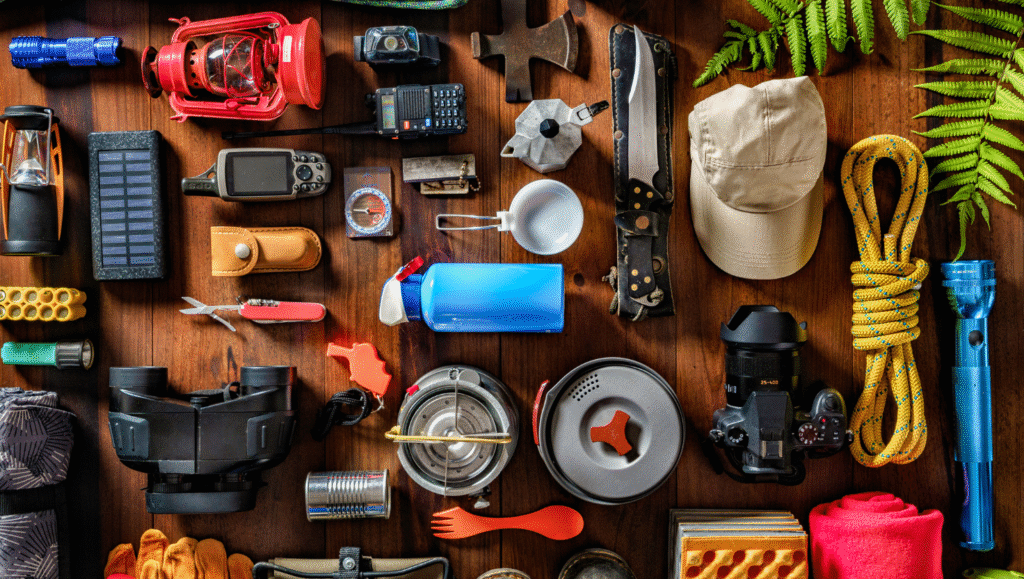
Today’s camping culture often emphasizes specialized gear. Lightweight tents, high-end sleeping systems, solar chargers, portable power stations, camp kitchens, and outdoor furniture are widely marketed as essentials rather than upgrades.
Social media plays a role here. Photos and videos showcase well-equipped campsites that look polished and comfortable. New campers may feel pressure to match those setups, even when simpler options would work.
The cost of camping rises quickly when expectations shift from “functional” to “fully outfitted.”
RV camping grew, and infrastructure followed
The rise of RV ownership changed campground economics. Larger rigs require reinforced pads, electrical hookups, water access, and dump stations. Building and maintaining that infrastructure is expensive.
As more campgrounds cater to RVs, prices often reflect those investments. Even tent campers may pay higher fees at mixed-use parks because overall operating costs increased.
RV camping also influenced pricing norms. When some campers are paying premium rates for hookups and amenities, baseline prices tend to rise across the board.
Camping became less uniform and more tiered, with costs tied closely to comfort levels.
Crowding changed how value is measured
When campgrounds were quieter, people tolerated fewer amenities. Privacy and space were part of the value. As sites grew more crowded, expectations shifted.
Campers now expect clearer rules, better maintenance, and improved facilities to justify higher prices. Parks respond by investing where they can, but those investments are often incremental and uneven.
When campers pay more and still feel crowded, frustration grows. The experience feels less like a bargain and more like a compromised version of what camping used to be.
Transportation and food costs added up
Camping costs extend beyond campsite fees. Fuel prices affect travel budgets, especially for long drives or RV trips. Groceries, once packed from home with little planning, now reflect broader food inflation.
Many campers also rely on convenience items purchased specifically for trips, from disposable supplies to pre-made meals. Individually, these costs feel small. Together, they push camping budgets above expectations.
Camping did not become expensive in one category. It became expensive through accumulation.

What camping still offers that money can’t buy
Despite rising costs, camping still provides something rare. Time outside. Slower mornings. Disconnected evenings. Shared experiences that do not depend on schedules or screens.
For many people, camping remains one of the few ways to step away from daily routines without traveling far. The value lies less in price and more in access to nature and mental space.
The challenge is that camping now requires more intention. Budget-conscious campers often seek tent-only loops, off-peak dates, lesser-known parks, or shorter trips. The affordability is still there, but it takes more effort to find.
The takeaway
Camping did not stop being cheap because people stopped valuing simplicity. It changed because demand grew, infrastructure aged, expectations evolved, and costs followed the same upward pressures seen everywhere else.
The idea of camping as the automatic low-cost option no longer holds. What remains is a choice. Camp simply and save, or add comfort and pay more.
Camping still rewards flexibility and restraint. It just no longer does so by default.
Leave a Reply