Camping is often framed as a shared love of the outdoors, but anyone who has spent time in a busy campground knows that not all campers experience it the same way. One of the quietest fault lines runs between tent campers and RV campers. They stay at the same parks, pay the same fees, and follow the same posted rules, yet they often leave with very different expectations and frustrations.
The tension is rarely about one specific incident. It is about competing ideas of what camping is supposed to feel like.
For tent campers, the appeal is usually simplicity. Fewer barriers between themselves and the outdoors. Quiet mornings. Nights shaped by wind, and distant voices rather than machinery. RV campers, on the other hand, often see camping as a way to be outdoors without sacrificing comfort. Climate control, power hookups, running water, and personal space are part of the experience they planned and paid for.
When those two visions overlap in tight public campgrounds, friction is almost inevitable.
Different definitions of “quiet”
Noise is one of the most common sources of resentment. Tent campers are far more exposed to sound. Thin fabric does little to block generators, idling engines, outdoor televisions, or late-night conversations drifting across a loop.
RV campers may not notice how far sound carries because they are insulated by walls, windows, and white noise from their own systems. What feels moderate inside a motorhome can feel intrusive to someone lying in a sleeping bag twenty feet away.
Even when quiet hours are clearly posted, expectations vary. Some tent campers expect near silence after dark. Some RV campers interpret quiet hours as a request to lower volume, not eliminate activity. When both sides believe they are being reasonable, complaints quickly feel personal.
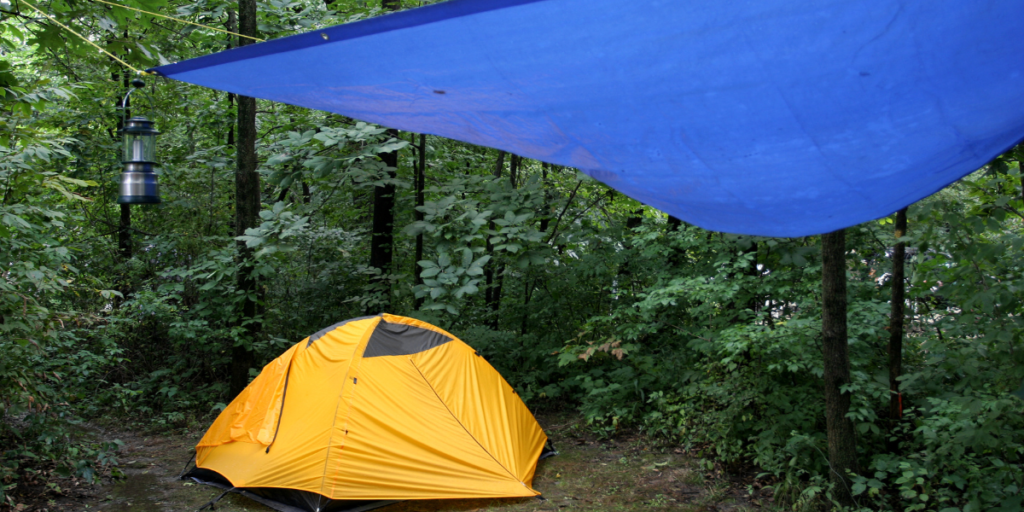
Light pollution and shared darkness
Light is another frequent source of tension. Tent campers often rely on headlamps, lanterns, or campfires that can be extinguished quickly. RVs, by design, tend to be brighter. Porch lights, step lights, interior lighting that spills through windows, and security lights can illuminate an entire campsite row.
For campers hoping to stargaze or sleep in near darkness, this can feel disruptive. RV campers may view those lights as safety features or normal conveniences, especially when navigating steps or managing kids and pets.
Because lighting rules are rarely enforced as strictly as noise rules, resentment can build quietly. Tent campers may feel dismissed when their complaints go unaddressed. RV campers may feel targeted for equipment that came standard with their vehicle.
Space and footprint issues
Campgrounds were not always designed with modern RV sizes in mind. Large rigs can dominate shared spaces, leaving tent campers feeling crowded or overshadowed.
Tent campers often choose sites expecting open views or buffer space, only to find themselves next to slide-outs, awnings, and parked vehicles that reduce airflow and privacy. RV campers may feel equally constrained, forced into sites barely large enough to accommodate their setup safely.
When space feels scarce, every encroachment matters. A hose crossing a shared path. Chairs drifting beyond a site boundary. Kids cutting through neighboring campsites. None of these actions is unique to RV campers, but the visual impact of a large vehicle makes any misstep more noticeable.

Generators and power expectations
Few things divide campers faster than generators. Many RV campers rely on them, especially in parks without full hookups or during extreme weather. Tent campers often see generators as the clearest symbol of incompatible camping styles.
From a tent, generator noise can feel constant and unavoidable. From inside an RV, it may fade into the background hum. Campground rules vary widely, and enforcement is inconsistent. Some parks allow generators during limited daytime hours. Others ban them outright. Some enforce rules only after complaints escalate.
The result is often frustration on both sides. Tent campers feel their experience is compromised by mechanical noise. RV campers feel unfairly judged for using equipment they need to function safely and comfortably.
Perceptions of effort and authenticity
Underlying many disputes is an unspoken debate about what counts as “real” camping. Tent campers may pride themselves on minimalism, weather tolerance, and adaptability. RV campers may view that attitude as unnecessary hardship or subtle gatekeeping.
RV campers often invest significant time, money, and effort in their trips. They may feel their approach is dismissed as lazy or inauthentic. Tent campers may feel their reasons for camping are overshadowed by technology and convenience.
These judgments are rarely stated outright, but they influence tone, patience, and willingness to compromise. When people feel their version of camping is being devalued, small conflicts escalate faster.
Why conflicts feel personal
Camping is often emotionally loaded. People arrive expecting rest, connection, and escape from routine. When those expectations are disrupted, frustration hits harder than it might in everyday life.
Unlike hotels or restaurants, campgrounds lack a clear separation between units. There are no walls thick enough to guarantee privacy. Every behavior is visible, audible, and subject to interpretation. When something goes wrong, there is no buffer at the front desk. Campers confront each other directly or carry resentment quietly.
This environment makes misunderstandings feel intentional, even when they are not.
Where common ground exists
Despite the tension, most tent campers and RV campers share more values than they realize. Both want safety, predictability, and respect for personal space. Both are navigating rising campground costs, overcrowding, and aging infrastructure.
Conflicts tend to ease in campgrounds that clearly separate tent-only and RV-only loops, consistently enforce quiet hours, and set transparent expectations for generators and lighting. When rules are clear and enforced evenly, personal judgments fade.
Many campers also adapt with small gestures. Turning off unnecessary lights. Communicating politely about noise before filing complaints. Choosing sites that match their tolerance levels.
The bigger picture
The divide between tent campers and RV campers reflects broader changes in outdoor recreation. Camping is no longer a single experience. It spans minimalist backpackers, weekend tent campers, van lifers, and luxury RV travelers.
As demand grows and space remains limited, campgrounds become pressure points for competing expectations. The conflict is less about who belongs and more about how shared spaces evolve.
Camping works best when everyone remembers the same principle applies to all styles: no one is entitled to absolute comfort at the expense of everyone else.
The outdoors may be shared, but courtesy still matters.
Leave a Reply