Camping is an adventure that invites us to step away from the hustle and bustle of daily life and immerse ourselves in the tranquility of nature. Whether you pitch a tent in a secluded forest or set up camp by a serene lakeside, the essence of camping lies in its simplicity and the opportunity to connect with the great outdoors. As a popular pastime, it offers the perfect blend of relaxation and exploration, making it a favorite getaway for many.
The key to a memorable camping trip often hinges on comfort. Ensuring your campsite is cozy and snug can significantly elevate your overall experience, allowing you to fully enjoy the sights and sounds of nature without the distraction of discomfort. Every detail counts in crafting a restful retreat under the stars, from proper shelter to cozy bedding.
This brings us to a common question for seasoned and new campers: Is a sleeping bag necessary for camping?
As we delve into this topic, we’ll explore the role of sleeping bags in camping gear and whether they are essential for outdoor adventures. Sometimes, having a good sleeping bag is necessary, and sometimes, it’s not.

Why a Sleeping Bag is Essential for Camping
Sleeping bags are the unsung heroes of camping gear. They provide a cocoon of comfort and security when you’re out in the wild. Their primary function is straightforward yet crucial: they ensure a good night’s sleep by offering warmth, comfort, and protection against the elements.
The benefits of using sleeping bags are manifold. First and foremost, they are engineered to keep you warm, with insulation that traps body heat and shields you from the cool night air. This warmth is especially vital in colder climates or unexpectedly chilly nights.
Comfort comes next, as sleeping bags are designed to cushion you from the uneven ground, creating a cozy sanctuary that mimics your bed at home. They offer a layer of protection, safeguarding you from insects and, to some extent, moisture and dirt.
The design of sleeping bags is meticulously crafted for outdoor conditions. They come equipped with features like insulation made from down or synthetic fibers, each offering unique benefits in terms of warmth and weight.
Weather resistance is another key aspect, and many sleeping bags feature water-repellent exteriors to withstand dew and light rain.
Portability is also a significant advantage, as sleeping bags are designed to be lightweight and compact, making them easy to carry and pack away.
Affiliate links are used in this post at no extra cost to you. As an Amazon Associate I earn from qualifying purchases. See my Disclosure and Privacy Policy for more info.
Check PriceCheck PriceCheck PriceCheck Price
Sleeping bags are not just about comfort; they are about survival and making the most of your camping experience. They are a staple in your camping arsenal, ensuring that you wake up refreshed and ready for a new day of adventure.
They are a must for cold nights, and a great way to stay warm during cold weather camping trips. If you’re going to go camping in cold temperatures, having the best sleeping bag for cold weather is a must.
Factors to Consider When Choosing a Sleeping Bag
Choosing the right sleeping bag for your camping adventures can make or break your experience under the stars. Let’s explore some key factors that will help you select the perfect sleeping bag. As an essential piece of camping gear, picking the best one is key.
Here are some pros and cons when choosing the best camping sleeping bag for a comfortable night’s sleep.
Sleeping Bag Temperature Rating and Climate Considerations
First things first, understanding temperature ratings is essential. Sleeping bags come with temperature ratings that indicate the lowest temperature at which they will keep you warm. It’s crucial to consider the climate of your camping destination.
Are you heading to a frosty mountain top or a balmy beachside? Match the temperature rating of your sleeping bag to the expected weather conditions to ensure a snug and cozy night’s sleep.
Types of Sleeping Bags: Mummy, Rectangular, and Double
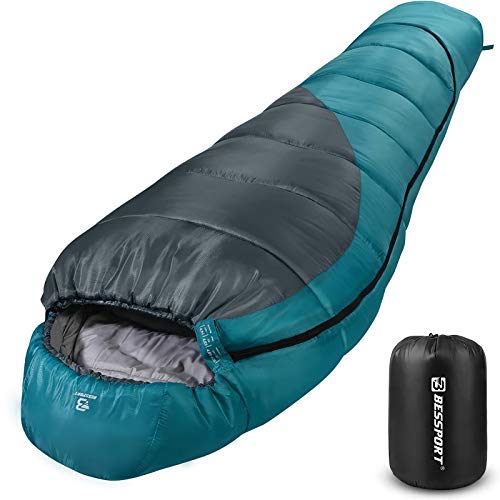
When it comes to shapes, sleeping bags are not one-size-fits-all. Mummy bags are snug and tapered, designed to wrap closely around your body and minimize heat loss, making them ideal for colder environments.
Rectangular bags offer more room to move, perfect for those who value comfort over warmth and are camping in milder conditions. Double sleeping bags provide ample room for couples or those who love extra space to stretch out and share warmth.
Material and Weight: Synthetic vs. Down
The material of your sleeping bag significantly impacts its warmth and weight. Synthetic materials are typically more affordable, dry quickly, and provide adequate insulation even when wet.
Down sleeping bags offer a superior warmth-to-weight ratio and compressibility, making them a favorite for lightweight backpacking. However, they can be pricier and less effective when damp. Consider your priorities and budget when choosing between these materials.
Size and Compactness for Easy Packing
Finally, consider the size and compactness of your sleeping bag, especially if you’re trekking to your campsite. A bulky sleeping bag can be cumbersome, so look for options that pack down small without sacrificing warmth.
Compact sleeping bags are ideal for backpackers and those with limited space. Check the packed dimensions and weight to ensure it fits comfortably in your backpack or car trunk.
Considering these factors, you’ll be well on your way to finding a sleeping bag that suits your camping style and keeps you comfortable, no matter where your adventures take you.
Alternatives to Sleeping Bags
Sleeping bags aren’t the only option for a comfy night’s sleep. Let’s explore alternatives and additions that better suit your camping style.
Using Blankets and Quilts: Pros and Cons
Blankets and quilts can be a cozy alternative to sleeping bags, especially for those who prefer a more home-like feel. They offer flexibility in layering, allowing you to adjust warmth based on the weather. Plus, they’re often more breathable, which can be a bonus during warmer nights.
Blankets and quilts might not provide the same insulation or protection from the elements as a sleeping bag, and they can be bulkier to pack.


Sleeping Bag Liners: Extra Warmth or Standalone Use
Sleeping bag liners are versatile additions to camping gear. They can add an extra layer of warmth inside your sleeping bag, which is great for chilly nights. In warmer climates, a liner might suffice on its own, providing a lightweight and breathable option.
Liners are easy to wash and pack, making them practical for varying temperatures. However, they alone might not offer enough insulation in colder conditions.
Camping Cots and Air Mattresses: Alternative Sleeping Surfaces
For those who value comfort over minimalism, camping cots and air mattresses are worthy considerations. Cots keep you off the ground, offering better ventilation and a more bed-like experience. Air mattresses provide excellent cushioning and are ideal for car camping where space isn’t an issue.
The downside? They can be bulky and heavy and require extra setup time. Also, they may not offer sufficient warmth without additional insulation layers.
Bivy Sacks: Lightweight and Minimalist Camping
Bivy sacks are perfect for minimalist campers who prioritize weight and simplicity. Essentially a waterproof cover for your sleeping bag, bivies offer protection from the elements and can be used alone in mild conditions.
Bivy sacks are compact, making them ideal for backpacking. However, they can feel cramped and might not provide as much warmth or comfort as other options. Bivy sacks are best suited for those willing to sacrifice a bit of comfort for travel efficiency.


By considering these alternatives and additions, you can tailor your camping setup to match your comfort needs and the specific conditions of your adventure.
Scenarios Where a Sleeping Bag May Not be Necessary
When the sun is shining and the weather is warm, camping takes on a whole new vibe. Let’s look at alternative camping options for those who love the great outdoors but enjoy a touch of comfort.
Warm Weather Camping and Alternative Options
In warm weather, traditional sleeping bags can feel overly stuffy. Instead, consider lighter bedding options like blankets or quilts that allow more airflow and adjustability.
Hammocks are also a fantastic choice for hot climates; they keep you cool by allowing air to circulate freely around you as you sway gently under the stars. Add a mosquito net for protection, and you’re set for a comfortable night’s rest.
Check PriceCheck PriceCheck Price
Indoor Camping or Staying in Cabins
Indoor camping can be a great option for those seeking shelter from unpredictable weather or just a more comfortable sleeping arrangement. Whether setting up your gear in a cozy cabin or using a tent indoors, this approach offers a unique blend of outdoor fun and indoor comfort.
Cabins, in particular, provide amenities such as real beds, bathrooms, and sometimes even kitchens, allowing you to enjoy nature without giving up modern conveniences.
Glamping: Luxury Camping with Amenities
If your idea of camping involves more than roughing it, glamping might be the perfect solution. This luxurious twist on traditional camping offers the best of both worlds: the beauty of the outdoors with the comfort of a chic hotel.
From safari tents with plush bedding and en-suite bathrooms to treehouses with stunning views, glamping locations provide a unique and pampered outdoor experience. It’s ideal for those who want to enjoy the serenity of nature without sacrificing comfort and style.
By exploring these options, you can tailor your camping experience to suit your preferences, ensuring your time in the wild is as enjoyable and comfortable as possible.
What should I look for in a sleeping bag for winter camping?
When selecting a sleeping bag for winter camping, prioritize warmth and insulation. Look for a bag with a lower temperature rating than the coldest conditions you expect to encounter.
Mummy-style sleeping bags are ideal for winter as they minimize heat loss. Consider materials like down for its warmth and lightweight nature, or synthetic for its ability to insulate even when wet. A draft collar and hood can also help retain body heat.




Can I use a regular blanket instead of a sleeping bag?
While you can use a regular blanket for camping, it may not provide the same insulation and protection as a sleeping bag. Blankets are best suited for mild conditions where warmth isn’t a major concern. A sleeping bag is preferable for cooler climates due to its design, which traps heat more effectively.
If you opt for a blanket, ensure it’s thick enough or layer it with other bedding for warmth.
How do I clean and maintain my sleeping bag?
To clean your sleeping bag, use a front-loading washing machine on a gentle cycle with mild detergent. Avoid fabric softeners and top-loading machines, which can damage the bag.
Air dry your sleeping bag or tumble dry on low heat, adding clean tennis balls to fluff up the insulation.
Regular spot cleaning and using a sleeping bag liner can reduce the need for frequent washes, prolonging the bag’s life.
What is the best way to store a sleeping bag when not in use?
Store your sleeping bag loosely in a large, breathable cotton or mesh sack to maintain its loft and insulating properties. Avoid compressing it in its stuff sack for extended periods, as this can damage the fill over time.
Keep it in a cool, dry place to prevent mildew and odors. Regularly airing out your sleeping bag can also help maintain its freshness between uses.
How can I make a sleeping bag more comfortable?
If you’re a seasoned camper, then you know that having a good sleeping pad to pair with your sleeping bag can create a great sleep system. This will increase the comfort rating of where you are sleeping and keep you off the cold ground. Just know that you might not have much room left after adding a sleeping mat to your high-quality sleeping bag.



Whether you’re heading into the chilly embrace of winter or basking in the warmth of a summer night, choosing the right sleeping gear is crucial. Consider climate, comfort preferences, and unique camping style when deciding between sleeping bags, blankets, or more luxurious glamping options.
Every camper is different, and what’s perfect for one person may not suit another. By assessing these elements, you ensure your outdoor experience is comfortable and truly enjoyable.
Dive into the details, weigh your options, and make thoughtful choices that elevate your adventures. After all, a well-rested camper is a happy camper ready to embrace the wonders of nature with open arms.
Leave a Reply