Camping offers a fantastic way to connect with the great outdoors, but not all camping experiences are the same. Two popular styles, dry camping and wet camping, cater to different preferences and setups.
Whether you’re pulling a travel trailer, cruising in a camper van, or towing a 5th wheel, understanding these options can help you plan an enjoyable experience.
In this post, we’ll break down what dry camping and wet camping mean, their differences, pros and cons, and tips to make the most of your adventure.

What is Dry Camping?
Dry camping, often called boondocking or wild camping, involves camping without full hookups like electricity, water, or sewer hookups. It’s the ultimate way to immerse yourself in nature, often in remote areas like national forests, public lands, or BLM land (managed by the Bureau of Land Management).
You might find dry camping spots in national parks, state forests, or even parking lots at truck stops or rest areas for a quick overnight stay.
Dry campers rely on their own resources, such as a fresh water tank, battery bank, or solar panels, to meet their power needs and water use. Waste management involves using a black tank for toilet waste and a grey tank for sink and shower water.
You’ll often need to find a dump station to dispose of black water and gray water or use pit toilets if available.
Pros of Dry Camping
- Free camping: Many boondocking spots on public lands or national forests are free or low-cost, saving you money compared to pay campsites.
- Off the beaten path: Dry camping lets you stay in the middle of nowhere, surrounded by nature in wilderness areas.
- Flexibility: You’re not tied to an established campground or rv park, giving you freedom to explore unique locations like Harvest Host locations or private property (with permission).
- Eco-friendly: With water conservation and solar power, dry camping can have a lighter environmental footprint.
Cons of Dry Camping
- Limited amenities: No sewer hookups or potable water means you must plan for enough water and waste management.
- Preparation required: You’ll need to prep ahead of time, especially in remote areas with no cell service.
- Waste management: Finding a dump station or managing toilet paper and waste in a black tank can be a hassle.
- Power constraints: Without full hookups, you rely on ah lithium batteries or solar panels, which may not meet high power needs.
Tips for Dry Camping
- Conserve water: Take a short shower or use wet baths to stretch your amount of water. A simple tip is to use an Instant Pot to cook meals with minimal water use.
- Plan your power: Invest in solar panels or a robust battery bank to keep your devices charged.
- Find dump stations: Use a mobile app to locate nearby dump stations or public bathrooms for convenience.
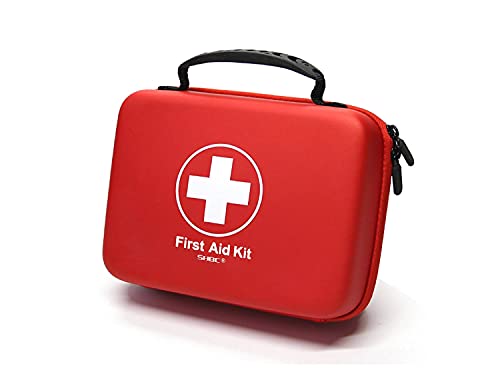
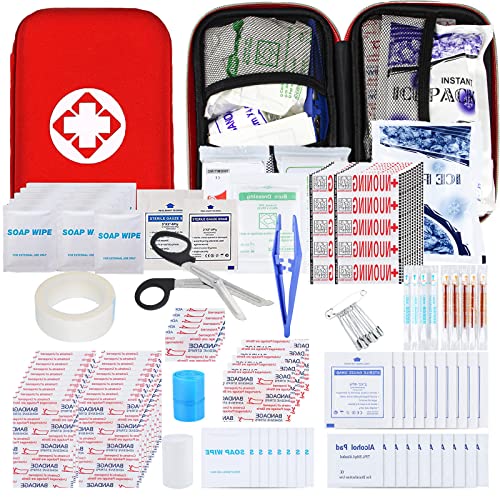
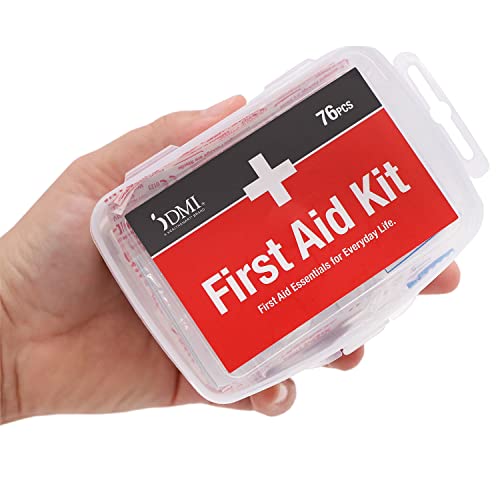
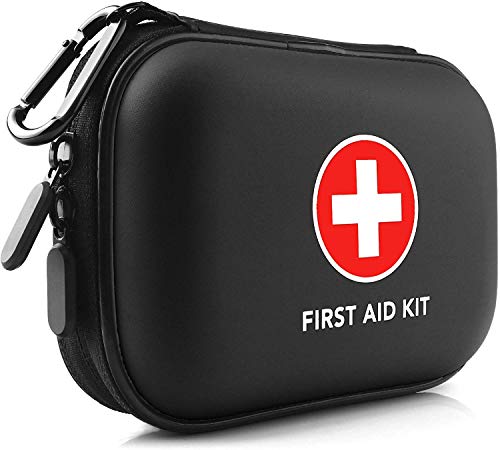
- Pack an emergency kit: In remote areas, having a kit with essentials is a good idea for safety.
Affiliate links are used in this post at no extra cost to you. As an Amazon Associate I earn from qualifying purchases. See my Disclosure and Privacy Policy for more info.


What is Wet Camping?
Wet camping refers to camping at a developed campground or rv park with full hookups or partial hookups (electricity, water, and sometimes sewer hookups). These sites are typically found in private campgrounds, state parks, or national parks with amenities like flush toilets, picnic tables, and access to a water source.
Wet camping is ideal for those who want a more comfortable camping experience with conveniences like potable water and electricity.
Pros of Wet Camping
- Convenience: Access to hookups means you can use your fresh water tank less and enjoy amenities like flush toilets or public bathrooms.
- Comfort: Plugging into electricity supports high power needs, so you can run appliances without worrying about your battery bank.
- Social vibe: RV parks and established campgrounds often have a community feel with shared spaces like picnic tables.
- Easier waste management: Sewer hookups make disposing of black water and grey water a breeze.
Cons of Wet Camping
- Cost: Pay campsites at private campgrounds or rv parks can be expensive compared to free camping on public lands.
- Crowded: Popular state parks or national parks may feel less like the great outdoors and more like a busy rv park.
- Less privacy: You’re often closer to other campers, unlike the solitude of boondocking spots.
- Reservations needed: Busy camping areas often require booking in advance, reducing spontaneity.
Tips for Wet Camping
- Book early: Secure your spot at popular state parks or national parks well in advance, especially during peak seasons.
- Maximize hookups: Take advantage of sewer hookups to avoid trips to a dump station.
- Enjoy amenities: Use flush toilets, showers, and other facilities to make your stay comfortable.
- Check for deals: Some private campgrounds or Harvest Hosts offer discounts for a small commission or membership.
Check PriceCheck PriceCheck PriceCheck PriceCheck PriceCheck Price
Key Differences Between Dry and Wet Camping
| Aspect | Dry Camping | Wet Camping |
|---|---|---|
| Hookups | No hookups; self-sufficient | Full or partial hookups (electricity, water, sewer) |
| Location | Remote areas, BLM land, national forests | RV parks, state parks, developed campgrounds |
| Cost | Often free or low-cost | Paid, sometimes pricey |
| Amenities | Minimal; pit toilets, no water source | Flush toilets, picnic tables, potable water |
| Waste Management | Black tank, grey tank, dump station | Sewer hookups or nearby dump station |
| Power | Solar panels, battery bank | Grid electricity via hookups |
Which is the Best Option for You?
Choosing between dry camping and wet camping depends on your camping experience preferences and setup. If you love the great outdoors, crave solitude, and have a rig equipped with solar power and a freshwater tank, dry camping on BLM land or national forests is a great option. It’s the best way to experience free camping and get off the beaten path.
On the other hand, if you prefer a more comfortable stay with full hookups and amenities like flush toilets, wet camping at an rv park or developed campground is the best option.
It’s ideal for families, new campers, or those who want a hassle-free trip without worrying about water conservation or power needs.
Hybrid Option: Partial Hookups
Some camping areas offer partial hookups (electricity and water but no sewer). This is a great way to balance the convenience of wet camping with the simplicity of dry camping.
You’ll still need to manage black water and grey water at a dump station, but you’ll have access to a water source and electricity.
Practical Tips for Both Camping Styles
- Water management: Whether dry or wet camping, monitor your gallons of water. An average single shower uses 2-5 gallons, so plan accordingly.
- Find campgrounds: Use a mobile app like Harvest Hosts or United States Forest Service resources to locate camp spots or boondocking spots.
- Stay legal: Always check regulations for public lands, private property, or state forests to ensure you’re camping legally.
- Gear up: For dry camping, invest in solar panels or ah lithium batteries. For wet camping, bring extension cords and hoses for hookups.
- Respect nature: Follow Leave No Trace principles, especially in wilderness areas or near a body of water.



Both dry camping and wet camping offer unique ways to enjoy RV camping or tent camping. Whichever you choose, the best places are those that match your style and let you create lasting memories!
Leave a Reply