Nothing beats the thrill of camping under a starlit sky, but when the temperature drops, staying warm in your tent can be a challenge, especially without electricity. Whether you’re a seasoned camper or new to cold-weather adventures, knowing how to stay warm in a tent without electricity is key to a comfortable and safe experience.
Cold nights shouldn’t keep you from enjoying the great outdoors! In this guide, I’ve compiled 15 practical, easy-to-follow tips to help you keep a tent warm without electricity, ensuring you wake up refreshed and ready for your next adventure.
From gear choices to clever hacks, these strategies are perfect for campers looking to stay cozy in any season.

Why Staying Warm Matters
Camping in chilly weather can be magical—think crisp air, quiet forests, and no bugs! But without proper preparation, cold nights can leave you shivering and miserable, or worse, at risk of hypothermia.
A well-insulated tent and smart strategies can make all the difference. Let’s dive into actionable tips to heat a tent without electricity and keep you toasty.
Affiliate links are used in this post at no extra cost to you. As an Amazon Associate I earn from qualifying purchases. See my Disclosure and Privacy Policy for more info.
Choose the Right Gear for Cold-Weather Camping
Your gear is your first line of defense against the cold. Investing in quality equipment designed for low temperatures is essential for staying warm.
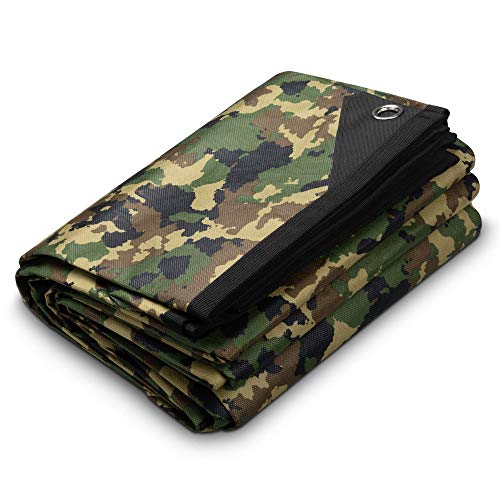
- Pick a Four-Season Tent: Unlike three-season tents, four-season tents are built for winter, with less mesh and a robust rainfly to trap heat. If you’re using a three-season tent, add a tarp under or over it for extra insulation.
- Invest in a High-Quality Sleeping Bag: Choose a sleeping bag with a temperature rating at least 10°F lower than the expected low. Down sleeping bags are lightweight and excellent at trapping heat, but synthetic ones work better in wet conditions.
- Use a Sleeping Pad with a High R-Value: A sleeping pad with an R-value of 4 or higher insulates you from the cold ground. Combine it with a foam pad for extra warmth.
- Consider a Sleeping Bag Liner: A fleece or thermal liner adds an extra layer of warmth inside your sleeping bag. Some campers swear by innovative products like heated sleeping bag liners (though these may require a portable power source for extended use).
Check PriceCheck PriceCheck PriceCheck PriceCheck PriceCheck PriceCheck PriceCheck Price
Insulate Your Tent for Maximum Warmth
Tents aren’t designed to hold heat well, but you can improve insulation with these simple tricks to keep a tent warm without electricity.
- Use a Tent Footprint or Tarp: Place a tarp or footprint under your tent to block cold from the ground. This also protects your tent floor from wear.
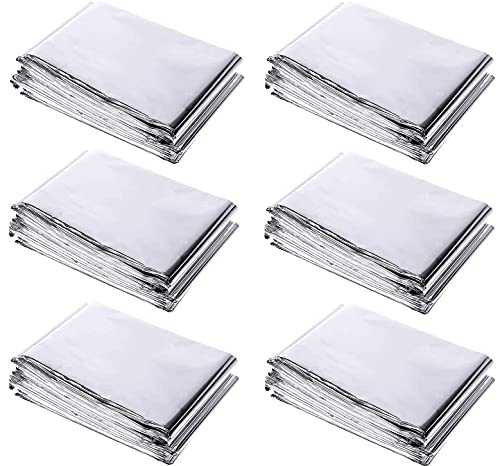
- Add Interior Insulation: Hang blankets or a reflective Mylar liner inside your tent to trap heat. Mylar reflects your body heat back, creating a cozy microclimate. Avoid covering ventilation points to prevent condensation.
- Seal Tent Seams: Use a seam sealer like GEAR AID Seam Grip to keep warm air in and cold drafts out. Reseal annually for best results.
- Minimize Tent Volume: Use the smallest tent size suitable for your group. Less air inside means it’s easier to heat up a tent without electricity.



Clever Heat Sources to Stay Cozy
When you’re wondering how to heat a tent without electricity, think simple and safe. These methods use natural or portable heat sources to keep you warm.
- Hot Water Bottles: Boil water on a campfire or stove, pour it into a heat-safe bottle and wrap it in a cloth. Place it at the foot of your sleeping bag for hours of warmth. Pro tip: Boil extra water for a hot drink to warm you from the inside out.
- Heated Rocks: Carefully heat smooth, fist-sized rocks in your campfire (avoid river rocks, which can explode). Place them on a cookie sheet or thick cloth inside your tent to radiate heat for hours. If you can’t heat a tent with electricity, this is one of the most safe ways to try.
- Disposable Hand Warmers: Toss a few hand warmers into your sleeping bag or pockets for quick warmth. They’re lightweight and perfect for keeping extremities toasty.
- Avoid Candles: While some suggest how to heat a tent with a candle, it’s risky due to fire hazards and carbon monoxide buildup. Stick to safer options like hot water bottles or rocks.


Dress Smart to Trap Body Heat
Your body is your best heat source, so dress to maximize warmth. Here’s how to keep a tent warm without electricity by leveraging your clothing.
- Layer Up: Start with a moisture-wicking base layer (merino wool or synthetic), add a fleece mid-layer, and top with a down jacket. Avoid cotton, which traps moisture and makes you colder.
- Keep Clothes Warm Overnight: Store the next day’s clothes in your sleeping bag to keep them warm. Cold clothes in the morning are a camping nightmare!
- Wear Wool Socks and a Hat: Your extremities lose heat fast, so wear thick wool socks and a fleece-lined hat to bed. Mittens or gloves can help, too.
- Eat a High-Protein Snack Before Bed: Foods like nuts or jerky digest slowly, producing heat as your body works. This is a natural way to stay warm through the night.
Check PriceCheck PriceCheck PriceCheck Price
Campsite Selection and Setup Tips
Where and how you set up your tent can significantly impact warmth. These tips help you heat a tent without electricity by working with nature.
- Choose a Sheltered Spot: Pitch your tent near trees, hedges, or a natural windbreak like a hill to block cold winds. Avoid valley bottoms where cold air pools.
- Position for Morning Sun: If possible, set up your tent to catch early sunlight for natural warmth.
Bonus Tips for Cold-Weather Comfort
- Stay Hydrated and Fueled: Dehydration and hunger make you feel colder. Drink plenty of water and eat calorie-dense meals during the day.
- Use a Smaller Tent: A smaller tent traps body heat better than a large one, making it easier to heat up a tent without electricity.
- Avoid Nighttime Bathroom Trips: Stop drinking liquids 4 hours before bed to minimize exiting your warm sleeping bag, which lets heat escape.
- Check the Weather: Always review the forecast to prepare for cold snaps.
Addressing Common Concerns
What temperature is too cold for tent camping?
Experienced campers suggest temperatures below 5°C (41°F) require specialized gear like four-season tents and high-R-value sleeping pads to prevent hypothermia. Always check your sleeping bag’s temperature rating and never attempt to go camping in cold weather alone or unprepared.
How to cool a tent without electricity?
If you’re camping in mixed weather, you might need cooling tips, too. Check out our post on how to cool a tent without electricity for advice on ventilation and shade.



Ready to conquer cold nights and enjoy cozy camping? Try these tips on your next trip and share your experience in the comments below! Don’t let the cold stop you—get out there and make unforgettable memories under the stars!
Leave a Reply