Nothing beats packing up and heading out for a camping trip in the great outdoors. I’ve spent countless weekends exploring state parks and national parks, and let me tell you, choosing the right setup can make or break your adventure.
Lately, I’ve been getting a ton of questions about pop-up campers—those nifty fold-out wonders that bridge the gap between tent camping and full-on RV life.
They’re a popular choice for folks dipping their toes into the RV lifestyle, but are they right for you?
In this post, we’ll dive into the pros and cons of pop-up campers (sometimes called popup campers or tent trailers). I’ll share what I’ve learned from my own road trips, plus some practical tips to help you make an informed decision.
Whether you’re planning long trips or quick getaways with the family, let’s break it down in a way that’s easy to relate to—no stuffy jargon here. Think of this as chatting around the campfire about why these bad boys might (or might not) be your next best friend on the trail.
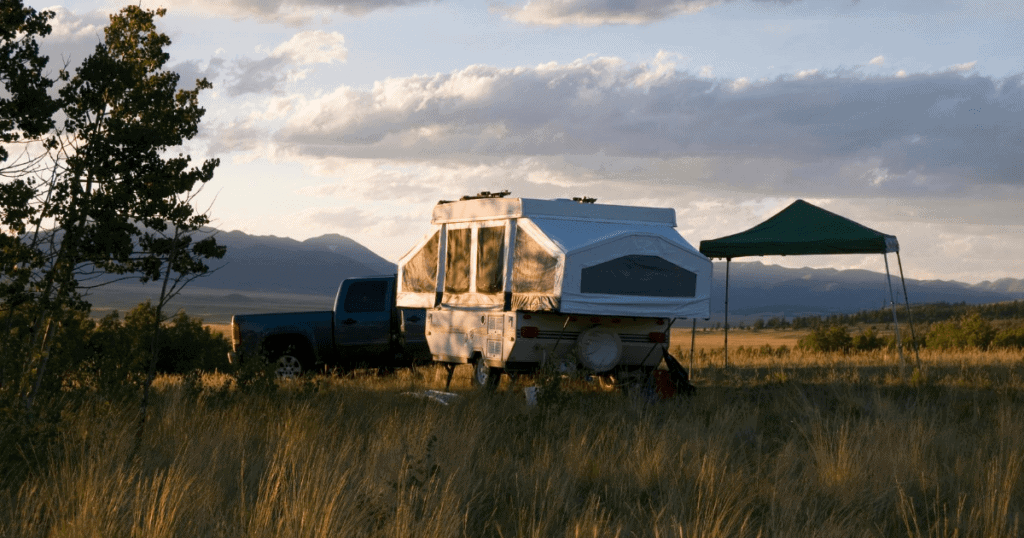
What Exactly Is a Pop-Up Camper?
It’s a combination of a compact trailer that collapses down for easy towing and storage, but pops up at the campsite to reveal sleeping areas, a small kitchen, and sometimes even a dinette. They’re like a tent on wheels, with canvas or fabric walls that expand outward.
Pop-up campers come in different sizes—from basic models for small families to high-wall versions with more headroom and extras like an air conditioner or a wet bath.
They’re lighter than travel trailers or teardrop trailers, making them a great entry point for newbies. If you’re upgrading from car camping with a sleeping bag on the hard ground, this could feel like a game-changer. But like anything in the camping world, they’ve got their ups and downs. Let’s get into the good stuff first.
The Pros: Why Pop-Up Campers Are a Hit for Casual Campers
Pop-up campers shine when you want that authentic camping experience without roughing it too much. Here are some of the biggest advantages that make them a solid pick for road trips and weekend escapes:
- Affordable and Budget-Friendly: These aren’t going to break the bank like bigger RVs. A used pop-up camper in good condition can run you anywhere from $2,000 to $10,000, depending on the model. It’s a low-risk way to test the waters of trailer camping without dropping much money upfront. Plus, with better fuel economy while towing (thanks to their low profile), you’ll save on gas during those long hauls to national parks.
- Easy to Tow with Smaller Vehicles: No need for a massive tow vehicle like a heavy-duty truck. Most pop-ups weigh under 3,000 pounds, so your everyday SUV or smaller truck can handle it. This means less stress on the open road and easier maneuvering into tight campsites.
- Compact Storage Space: When folded down, they fit in a standard garage or even a small storage facility. No more paying extra for RV storage or worrying about HOA rules. It’s a huge win if you’re short on space at home.
- Close-to-Nature Camping Vibe: With those fabric walls, you get fresh air and the sounds of the great outdoors, like birds chirping or a gentle breeze. It’s more immersive than hard-sided campers, but you’re still off the ground and protected from bugs or inclement weather. Perfect for that “tent camping with perks” feel.
- Quick Setup for Spontaneous Trips: Most models crank up in 10-15 minutes once you get the hang of it. Add in sleeping areas for 4-6 people, a basic kitchen, and maybe an AC unit, and you’ve got creature comforts of home without the bulk. Great for small families or couples hitting state parks for a quick camping trip.
- Versatile for Different Adventures: From flip-out campers for extra floor space to hard-sided pop-ups that handle windy conditions better, there’s variety. Some even have solar panels or a water system for off-grid fun. If you’re into exploring rough roads or parking lots near trailheads, their small size makes them agile.
- Better Fuel Economy and Lower Maintenance: Lighter weight means your tow vehicle sips less gas. Maintenance is straightforward—check the canvas for tears, grease the bearings, and you’re good. It’s not as complex as hybrid campers or full RVs.
- Fun for Outdoor Enthusiasts: They’re a gateway to the RV lifestyle. Many folks start here and upgrade later, but the joy of popping open at a campsite and firing up the stove? Priceless. It’s like having a pop-top caravan that turns any spot into your home base.
The Cons: The Flip Side of Pop-Up Campers
No setup is perfect, right? Pop-up campers have their quirks, especially if you’re eyeing long trips or dealing with unpredictable weather. Here’s the honest scoop, plus ways to work around them:
- Setup and Teardown Can Be a Chore: Cranking it up manually takes time and elbow grease, especially in high winds or rain. If you’re moving campsites often, it might feel tedious. Tip: Look for models with electric lifts to make it easier—saves your back and your patience!
- Limited Protection in Bad Weather: Those fabric walls are great for ventilation but not so much in cold weather or heavy storms. Noise from wind or rain can keep you up, and mildew is a risk if you pack it wet. Pro tip: Dry everything thoroughly before storing, and consider hard-sided pop-ups for more robust construction in inclement weather.
- Not Ideal for Extreme Conditions: In windy conditions or high winds, they can flap around like a tent. And forget about winter camping without serious prep—they’re not built for snow.
- Limited Interior Space and Amenities: Storage is tight, and features like a full bathroom or AC unit aren’t always standard (and add extra cost). No wet bath? You’ll be using campground facilities. It’s cozy for short stays but might feel cramped on long trips. Hack: Get creative with organizers and pack light—think of it as minimalist camping.
- Potential for Wear and Tear: Canvas can rip or fade over time, and things like zippers or the lift system need diligent care. Used campers might hide issues like mold or leaks. Always inspect thoroughly, and budget for repairs—it’s part of the game.
- Towing and Stability Concerns: While light, they can sway if not loaded right, and smaller tires might struggle on rough roads. Plus, some parks restrict them in bear country due to soft sides. Tip: Use sway bars and check your tow vehicle’s capacity—safety first!
- Resale and Upgrades: If you outgrow it quickly (like many do), reselling might not recoup your investment. And adding solar panels or an AC unit bumps up the price range.
- Noise and Privacy Issues: Thin walls mean you hear everything outside—and vice versa. If you’re a light sleeper, earplugs are your new best friend.
Common FAQs About Pop-Up Campers
Got questions? I’ve got answers based on real-world chats with campers:
- Do pop-up campers have AC or heat? Many do, especially newer models. Portable AC units or built-in ones work great, but check power needs—solar panels help for off-grid.
- Are they good for families? Absolutely for small families on short trips. Sleeping area fits 4-6, but test the layout first.
- How long do they last? 10-15 years with good care. Keep it in good shape by storing dry and maintaining the roof.
- Pop-up camper vs. travel trailer? Pop-ups are cheaper and easier to tow/store, but travel trailers offer more space and weather protection—better for long trips.
- Can I take it off-road? Basic models? Not really. Opt for high-clearance or hard-sided versions for dirt roads.
- What’s the price range? $1,000-$20,000. Hunt for good deals on used pop-ups in good condition.
Thinking about trying out camping? Find out how to rent an RV easily here!
Helpful Tips for Pop-Up Camper Owners (or Wannabes)
- Buying Advice: Rent one first via apps like Outdoorsy to see if it’s a good fit for you. Inspect for leaks, test the crank, and check the floor space.
- Setup Hacks: Practice at home! Use leveling blocks and a cordless drill for faster cranking.
- Maintenance Musts: Clean the canvas after every trip, repack bearings yearly, and winterize the water system.
- Upgrade Ideas: Add solar panels for power or a portable shower for that wet bath feel. It’s all about making it your own.
- Camping Pro Tip: Pair it with a good friend or family for help with setup—turns chores into laughs.
Check PriceCheck PriceCheck PriceCheck Price
Pop-up campers are a fantastic way to embrace the camping experience, blending the best of tent trailers with RV perks. They’re affordable, tow-friendly, and perfect for hitting the open road on a whim. But if you’re all about long trips, big families, or dodging inclement weather, a travel trailer or teardrop might be the better option.
Ultimately, it’s about what fits your style—whether that’s cozy nights under the stars or glamping with extras. If you’re ready to dive in, start small with a used camper and build from there.
Leave a Reply