Are you ready to turn those chilly winter months into an unforgettable family adventure? Winter camping with kids might seem daunting at first, but with the right preparation, gear, and mindset, it can be a magical way to bond, explore snowy landscapes, and create lasting memories.
Unlike summer camping, winter trips offer unique perks like fewer crowds, stunning scenery, and exciting snow-based fun. In this guide, we’ll cover everything you need to know to make your outing safe and enjoyable—drawing from tried-and-true tips to help your family thrive in the cold.

Be sure to verify all information. We are human, and human errors do happen in typing and writing. The most up-to-date information can be found directly on the manufacturer page, which we’ve linked below for your convenience when possible. Otherwise, always double-check location rules, information, weather conditions, and product information before planning, using, or purchasing.
Affiliate links are used in this post at no extra cost to you. As an Amazon Associate I earn from qualifying purchases. See my Disclosure and Privacy Policy for more info.
Why Families Love Winter Camping
Winter camping isn’t just for extreme adventurers—it’s a fantastic option for families seeking something different. It keeps everyone active when indoor activities dominate the season, fosters strong family bonds through shared challenges, and often costs less than other vacations. Plus, if you live in a mild climate, it’s a refreshing change of pace with crisp air and snowy vistas.
Many families find it builds resilience in kids, teaching them to embrace nature year-round.
How Cold Is Too Cold for Winter Camping with Kids?
This depends on your family’s experience, gear, and tolerance, but as a rule of thumb, anything below 50°F feels very cold and increases risks.
For beginners or young children, stick to temperatures above 50°F to start. Always research your destination’s forecast, including wind chill, and err on the side of caution—your kids’ safety comes first. If temperatures dip below 50°F with wind, consider postponing to avoid frostbite on exposed skin.


Choosing the Right Campsite
Pick a spot sheltered from wind, like one surrounded by hills, rocks, or trees—but avoid areas under dead branches that could fall under snow weight. Look for level ground near water sources (for melting snow) and with good drainage to prevent ice buildup.
If possible, choose established winter campsites with facilities. Test the site with a trial run if you’re new to winter camping—set up in your backyard first to build confidence.
Check PriceCheck PriceCheck PriceCheck PriceCheck PriceCheck Price
Essential Gear for Winter Camping with Kids
Quality gear is non-negotiable for keeping everyone warm and safe. Focus on items that insulate, protect from moisture, and add comfort. Here’s a must-have list tailored for families:
- 4-Season Tent: Opt for one with a strong frame and vestibule for gear storage.
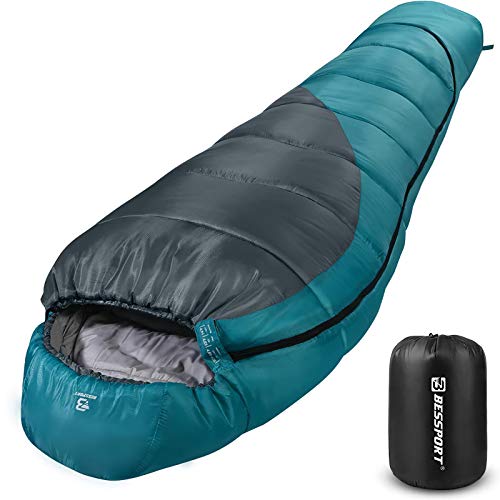
- Sleeping Bags and Pads: Choose bags rated 10-20°F below expected lows. Add liners for extra warmth.
- Clothing Layers: Base (merino wool underwear), mid (fleece jackets), outer (waterproof shells). Don’t forget merino wool socks, hats, and gloves.
- Extras: Ground tarp, hand/foot warmers, hot water bottles for sleeping bags, snowshoes or sleds for fun mobility, and a portable shovel for snow walls.

Tips for Staying Warm While Camping in Winter
Staying warm prevents health risks like hypothermia. Dress in layers: moisture-wicking base, insulating mid, and windproof outer—avoid cotton as it retains moisture. Stay hydrated (dehydration worsens cold sensitivity) and eat high-calorie snacks before bed to fuel your body’s heat production.
- Choose a wind-sheltered site and insulate your tent floor with tarps or foam pads.
- Use sleeping bag liners and add blankets or quilts for extra insulation.
- Keep feet dry with wool socks and waterproof boots.
- Move around during the day—jumping jacks or walks generate heat.


Ensuring Comfortable Sleep: Bedding and Insulation Tips
A good night’s sleep makes or breaks the trip. Layer insulation under sleeping bags to block cold ground—foam pads or inflatable mattresses work best.
- Top sleeping bags with blankets for adjustable warmth.
- Use hot water bottles (filled before bed) tucked into bags for toasty feet.
- Ensure bags are rated for low temps; consider mummy-style for better heat retention.




Best Food Options and Planning Warm Meals for Winter Camping
Cold weather burns more calories, so pack high-energy, easy-to-prep foods. Focus on hearty, warming meals to keep energy up, especially for active kids building snow forts.
- Meals: One-pot wonders like chili, stew, or oatmeal over a campfire or portable stove. Pre-cook and reheat for convenience.
- Snacks: Trail mix, energy bars, peanut butter sandwiches, dried fruits, and cheese for quick bursts.
- Drinks: Thermoses of hot chocolate, soup, or herbal tea—encourage kids to sip often to stay hydrated in dry air.
Check PriceCheck PriceCheck PriceCheck Price
Handling Bathroom Needs While Winter Camping
Cold makes this tricky, but plan ahead to follow Leave No Trace principles.
- Use a portable toilet or Wag Bag system for easy disposal.
- Dig a cathole (6-8 inches deep) lined with snow or soil—pack out waste in low-snow areas.
- Bring hand sanitizer, wet wipes, and a trowel.
Check PriceCheck PriceCheck PriceCheck Price

Fun Activities to Keep Kids Engaged
Keep boredom at bay with a mix of outdoor and indoor fun—adapt to the weather.
- Snow Play: Build forts, have snowball fights (with rules), or sled on gentle slopes.
- Nature Exploration: Track animal prints, go on winter hikes, or stargaze on clear nights.
- Indoor Options: Board games, cards, storytelling, or craft kits in the tent.
- Bring books or simple games like UNO.
Check PriceCheck PriceCheck PriceCheck PriceCheck PriceCheck Price
Emergency Preparedness and Safety Tips
Preparation is key—pack a first-aid kit with bandages, antiseptics, medications, emergency blankets, and rehydration packs. Inform someone of your plans and return time.
- Carry a map, compass, and a charged phone (with a backup battery).
- Monitor the weather and have an exit plan for storms.
- Teach kids to stay put if lost and signal for help.
Check PriceCheck PriceCheck PriceCheck Price
Campfire Safety with Kids
Campfires provide warmth and fun, but supervision is necessary.
- Keep kids away from flames; use a fire ring and extinguish fully with water.
- Sit upwind to avoid smoke; store food away to deter wildlife.
- Pro Tip: Place the fire far from tents to prevent sparks.
Yes, cook over it—roast marshmallows or foil packets—but always with adult oversight.
Teaching Leave No Trace Principles to Kids
Instill respect for nature early: Plan ahead, camp on durable surfaces, pack out waste, leave what you find, minimize fire impacts, respect wildlife, and be considerate.
- Model behaviors on trips.
- Make it fun: Turn cleanup into a game.
What If the Weather Changes?
Always have a backup plan—monitor forecasts and be ready to pack up if storms hit. Never risk safety; head home if conditions worsen.
Should Kids Use Electronics While Camping?
It’s a balance: Electronics can be a safety lifeline (e.g., emergency calls), but limit screen time to encourage nature immersion. Set rules like “devices only for photos or in bad weather.” If disconnecting fully, pack books or games instead.
Check PriceCheck PriceCheck PriceCheck PriceCheck PriceCheck Price


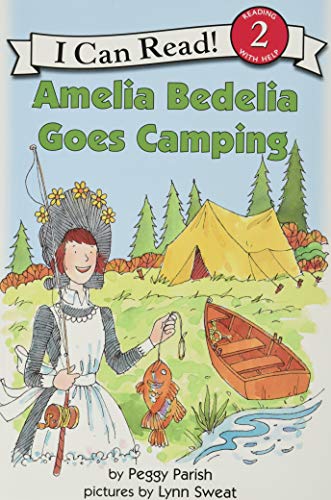


Winter camping with kids can be rewarding with the right prep—start small and build from there. What are your favorite cold-weather tips? Share in the comments below!
Leave a Reply