A bad back shouldn’t keep you from enjoying the great outdoors. Whether you’re car camping with family or backpacking through national parks, the right camping mattress for bad back relief can make all the difference.
Back pain can turn a fun camping trip into a sleepless ordeal, but with proper lumbar support and cushioning, you can wake up refreshed and ready for adventure.
This guide highlights the best camping mattresses for bad backs, packed with actionable tips to ensure comfort, durability, and portability for campers of all kinds.

Be sure to verify all information. We are human, and human errors do happen in typing and writing. The most up-to-date information can be found directly on the manufacturer page, which we’ve linked below for your convenience when possible. Otherwise, always double-check location rules, information, weather conditions, and product information before planning, using, or purchasing.
Why a Camping Mattress for Bad Back Matters
Camping with a bad back requires extra care to avoid discomfort. A quality camping bed for bad back relief provides spinal alignment, pressure point relief, and cushioning tailored to your needs.
Whether you’re a side sleeper or prefer sleeping on your back, the best camp mattress for bad back support ensures you rest well under the stars. Let’s explore how to choose the perfect option and our top recommendations for 2025.
Key Factors to Consider When Choosing a Camping Mattress
Selecting the best camping mattress for back pain involves striking a balance between comfort, support, and practicality. Here are the critical factors to keep in mind:
- Weight and Portability: For backpackers, a lightweight camping sleeping pad for bad back relief is essential. Look for options that compress or roll up easily, like the Therm-a-Rest ProLite Plus, which weighs under 2 pounds.
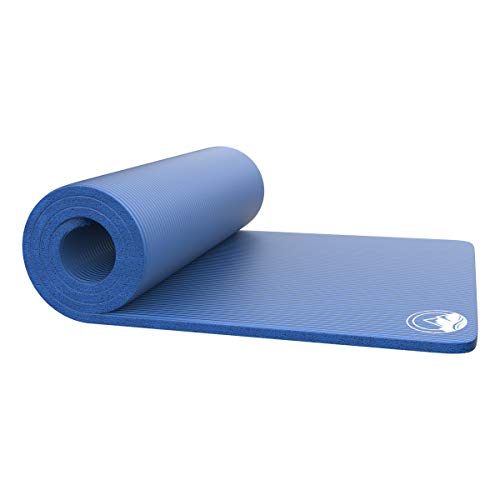
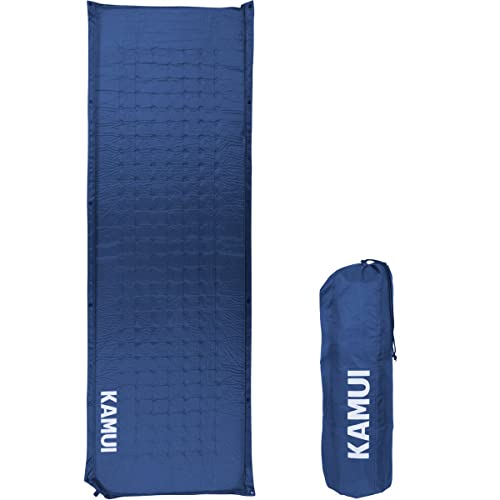
- Mattress Types: Choose between air mattresses, foam mattresses, or self-inflating mats. Air mattresses, like the EnerPlex Air Mattress with Built-in Pump, offer adjustable firmness but may need a pump. Foam mattresses provide insulation but are bulkier, while self-inflating mats combine both benefits.
- Insulation (R-Value): For cold weather camping, opt for a mattress with a high R-value (4 or above) to insulate against the chilly ground. This is crucial for camping beds for bad backs in cooler climates.
- Durability: Select mattresses made from ripstop nylon or reinforced PVC to withstand rugged outdoor conditions. A repair kit is a bonus for quick fixes.
- Ease of Maintenance: Look for water-resistant coatings and easy-to-clean materials to simplify upkeep during your outdoor adventure.
Check PriceCheck PriceCheck PriceCheck Price
Comfort and Support: What to Look for in Camping Beds for Bad Backs
A camping bed for bad back relief must prioritize comfort, spinal alignment, and durability. Here’s how to evaluate your options:
- Cushioning for Comfort: Mattresses with memory foam or air coils, like the SoundAsleep Dream Series Air Mattress, contour to your body, reducing pressure on your lower back.
- Support for Pain Relief: The best camping mattresses for couples or solo campers with back pain offer firm support to maintain spinal alignment. Memory foam or hybrid designs work well for side sleepers and back sleepers alike.
- Durability for Longevity: Choose puncture-resistant materials and waterproof coatings to ensure your mattress lasts through multiple trips. Check for warranties—longer periods signal manufacturer confidence.
- Thickness Matters: A mattress at least 3-4 inches thick provides better support for bad backs.
Finding the Right Size: Thickness and Width for Bad Backs
The right camping mattress for bad back relief depends on thickness and width to suit your sleeping style and body type.
- Thickness for Spinal Alignment: A mattress with at least 3 inches of thickness supports proper spinal alignment, crucial for back pain relief. Thicker options (6-8 inches) like the EnerPlex Air Mattress are ideal for car camping.
- Width for Comfort: Wider mattresses (30 inches or more for solo campers, 50+ inches for couples) allow freedom of movement, especially for side sleepers. The best camping mattresses for couples, like double-sized self-inflating mats, provide ample space.
- Balancing Portability: Thicker and wider mattresses offer more comfort but can be harder to pack. For backpacking, opt for the best backpacking sleeping pad for bad back, like the Therm-a-Rest NeoAir XLite, which is lightweight yet supportive.
- Couples’ Needs: Extra-wide or double mattresses cater to partners with different comfort preferences, ensuring both get a good night’s sleep.
Top Picks: Best Camping Mattresses for Bad Backs in 2025
Here are our top recommendations for camping mattresses and pads designed to alleviate back pain, based on comfort, support, and durability.
1. Therm-a-Rest ProLite Plus Sleeping Pad
- Best for: Backpacking and solo campers
- Key Features: 1.5-inch thickness, R-value of 3.8, lightweight at 1.8 pounds, self-inflating foam core
- Why It’s Great: This best camping sleeping pad for back pain offers excellent support for side and back sleepers. Its compact design makes it ideal for backpackers with bad backs.
- Drawbacks: Thinner than air mattresses, less cushioned for some users
- Where to Buy: Amazon
2. SoundAsleep Dream Series Air Mattress
- Best for: Car camping and couples
- Key Features: 9-inch thickness, built-in pump, 40 internal air coils, supports up to 500 pounds
- Why It’s Great: Perfect as a camping bed for bad back relief, it provides adjustable firmness and excellent lumbar support. Ideal for couples needing a spacious option.
- Drawbacks: Requires a power source for the pump
- Where to Buy: Amazon
3. EnerPlex Air Mattress with Built-in Pump
- Best for: Family camping and luxury seekers
- Key Features: 16-inch thickness, waterproof PVC, built-in pump, coil-beam construction
- Why It’s Great: This best camp mattress for bad back offers plush comfort and robust support, making it a top pick for car campers with chronic pain.
- Drawbacks: Heavier (18 pounds), less portable for backpacking
- Where to Buy: Amazon
R-Value and Weather: Choosing the Right Mattress for Any Season
The R-value of a camping mattress measures its insulation power, critical for camping with bad back issues in varying weather conditions.
- Cold Weather Camping: Opt for a mattress with an R-value of 4 or higher to stay warm in state parks or national parks during fall or winter.
- Warm Weather Camping: For summer heat, choose a mattress with breathable materials and lower R-values (2-3) to avoid overheating.
- All-Season Versatility: Mats with adjustable insulation, like self-inflating pads, work well year-round.
Maintenance Tip: Store self-inflating mats unrolled with the valve open to prevent mold. Clean with mild soap and water, and use a repair kit for punctures.



Tips for Camping with a Bad Back
To maximize comfort and minimize back pain on your next camping trip, try these practical tips:
- Pair with a Sleeping Pad: Add a thin sleeping pad under your mattress for extra insulation and support, especially in cold weather.
- Use a Pillow: Bring an inflatable pillow to maintain neck alignment, reducing strain on your back.
- Choose the Right Campsite: Select a flat, soft camping spot to avoid uneven surfaces that can worsen back pain.
- Stretch Before Bed: Gentle stretches can loosen tight muscles and improve circulation, helping you sleep better.
- Check Weather Conditions: A weather forecast can help you pack the right gear.


FAQs About Camping Mattresses for Bad Backs
Can I use a regular mattress for camping?
Regular mattresses are too bulky and lack the durability needed for outdoor use. Opt for a camping-specific mattress or pad for better portability and weather resistance.
How thick should a camping mattress be for bad backs?
A thickness of 3-8 inches is ideal, depending on whether you prioritize support (thicker) or portability (thinner).
Are self-inflating mats worth it?
Yes, self-inflating mats like the Homemate Mattress are convenient and provide good support for bad backs, especially for backpackers who value ease of setup.
Can camping mattresses be used at home?
Absolutely! They’re great as guest beds or for sleepovers, offering versatility beyond camping.
How long do camping mattresses last?
With proper care, high-quality mattresses can last 5-10 years, making them a solid investment.

Don’t let back pain ruin your outdoor adventure. The best camping mattress for bad back relief can transform your camping experience, ensuring restful sleep and energized days.
Ready to plan your next trip? Share your favorite camping mattress or ask questions in the comments below!
Leave a Reply