Looking at the option of camping in the cold? You can easily get your tent ready for winter camping with just a few simple steps. You’ll also find that some of these winter camping hacks are a great way to start preparing early on ways to winterize your tent and learn how to make a tent warmer, too. Read more to find out how to insulate a tent for winter camping.
If you’re planning a winter camping trip, the best way to prepare for the cold air and the cold weather is to have proper insulation on the inside of the tent. For the best results, be sure that you have a heavy-duty tarp and an insulated tent so that you can stop the cold air from coming up through the floor of your tent.
For even more tips on camping during the winter season, check out the different ways below to keep your entire tent warm. Having a warm tent is so important on the coldest nights.
While there are many things that you can buy to keep you warm during winter camping, there are some simple steps that you can easily do as well to make your camping experience as warm as possible.
do tents keep you warm?
Tents themselves don’t generate warmth, but they do provide shelter from wind, rain, and snow, which helps retain the heat your body generates. They create a barrier against the elements, reducing heat loss due to wind chill and keeping you dry, which is crucial for staying warm.
The insulation and warmth inside a tent largely depend on the materials used, the tent’s design, and how well it’s set up. It’s possible to keep a tent warm, but there are a few steps that have to be taken.
Should you put a tarp over your tent?
If you’re worried about the weather at all, a tarp over your tent can help. It will block out the wind, rain, snow, etc. and is a great way to just add another layer of protection from the elements of Mother Nature. Just make certain that you stake it down really well so it doesn’t blow off or flap in the wind all night.
Is it colder to sleep in a car or a tent?
Many people actually think that car camping versus tent camping in the winter would be a better idea, but it’s actually the opposite. Tent camping in the cold gives you the chance to insulate your tent and create a warmer atmosphere in a much smaller space.
Winter camping in a car means that there isn’t as much insulation and the interior of the car takes more effort to stay warm due to the size.
How much warmth does a tent add?
This all just depends on how much you insulate your tent but if you do a good job at doing so, you can expect it to be about 5-10 degrees warmer than the temperature outdoors.
How cold is too cold to camp?
This is where it can get a bit tricky. For those who aren’t used to camping in the cold, you need to be careful and test the waters a bit before diving in. Even temps in the ’60s can create a very cold experience for someone who isn’t used to it.
However, if you’re experienced and have all the right winter camping gear and know how to make a tent warmer, you can camp in the winter when it’s 40 degrees as well.
Ready to learn how to winterize your tent? These simple tips can help!
Choosing the Right Insulation Materials
One key consideration is choosing lightweight and compact materials. After all, you don’t want to be lugging around heavy and bulky insulation when you’re out in the great outdoors.
Look for materials that are specifically designed for camping and backpacking purposes. These materials are often made to be lightweight and easy to pack, ensuring that they won’t weigh you down during your adventures.
High R-Value for Maximum Effectiveness
Another important factor to consider is the insulation material’s R-value. The R-value measures the material’s ability to resist heat flow, with a higher value indicating better insulation properties.
When selecting insulation materials for your tent, aim for options with a high R-value to ensure maximum effectiveness in keeping you warm during cold nights or cool during hot summer days.
Exploring Eco-Friendly Options
While staying warm or cool inside your tent is crucial, it’s also essential to think about minimizing your environmental impact. Thankfully, there are eco-friendly insulation options available on the market today.
These materials are made from sustainable or recycled sources and have minimal negative effects on nature. By opting for eco-friendly insulation materials, you can enjoy a comfortable camping experience while also doing your part in preserving our beautiful planet.
Enhancing Wall Insulation with Thermal Blankets
Using thermal blankets to line the interior walls of your tent is a great way to boost insulation and keep the cold air out. These blankets, made from reflective foil material, are designed to trap radiant heat inside the tent, providing an extra layer of warmth.
Here are some advantages of using thermal blankets for insulation and tips on how to secure them effectively within your tent.
Trapping Radiant Heat with Reflective Insulation
Thermal blankets are excellent at reflecting heat back into the tent. The reflective foil material helps to bounce radiant heat from your body or any other heat source back towards you, preventing it from escaping through the walls.
This type of insulation is particularly effective in colder weather when maintaining warmth is crucial.
Advantages of Using Thermal Blankets
- Lightweight and Portable: Thermal blankets are lightweight and easy to carry, making them ideal for camping trips.
- Versatile: These blankets can be used not only for lining tent walls but also as ground insulation or even makeshift heat packs.
- Cost-effective: Compared to other insulation methods, thermal blankets offer an affordable solution for enhancing warmth in your tent.
Tips for Securing Thermal Blankets Effectively
To ensure maximum effectiveness when using thermal blankets:
- Measure accurately: Take precise measurements of your tent’s interior walls before purchasing the blankets.
- Cut to size: Trim the thermal blanket sheets according to the dimensions of each wall.
- Secure firmly: Attach the cut pieces securely using tape or clips, ensuring they cover areas without leaving big gaps. You will need some space for ventilation, so keep that in mind.
- Avoid condensation: Leave some space between the blanket and outer wall to prevent condensation buildup.
Maximizing Heat Retention with Secondary Covers
Consider adding secondary covers, such as a rainfly or tarp, to further enhance the insulation of your tent and keep you cozy during chilly nights.
These additional layers can provide extra protection against the cold and help retain heat inside your tent.
Affiliate links are used in this post at no extra cost to you. As an Amazon Associate I earn from qualifying purchases. See my Disclosure and Privacy Policy for more info.
Check PriceCheck PriceCheck PriceCheck PriceCheck PriceCheck PriceCheck PriceCheck Price
Using Rainfly or Tarp as an Additional Layer
One way to maximize heat retention is by using a rainfly or tarp as an extra layer on top of your tent. This secondary cover helps create an insulating barrier between the outside elements and the interior of your tent.
By blocking wind and preventing heat loss through convection, a rainfly or tarp can significantly improve the overall warmth inside your shelter.
Pros:
- Provides an additional layer of insulation
- Blocks wind and prevents heat loss through convection
- Helps protect against rain and moisture
Cons:
- Requires proper setup to avoid condensation issues
- May add weight to your backpack
Benefits of Adding an Inner Layer like a Thermal Liner or Space Blanket
In addition to external covers, adding an inner layer like a thermal liner or space blanket can further enhance the insulation properties of your tent. These materials work by reflecting body heat back towards you, helping you stay warm throughout the night.
Pros:
- Reflects body heat for improved warmth
- Lightweight and easy to pack
- Can be used in combination with other insulation methods
Cons:
- May not be as effective in extreme cold conditions
Techniques to Properly Secure Secondary Covers for Optimal Heat Retention
To ensure that your secondary covers provide maximum insulation, it’s important to secure them properly.
- Start by setting up your main tent structure securely.
- Place the rainfly or tarp over the top of the tent, making sure it extends beyond all sides.
- Attach the rainfly or tarp securely to the tent using the provided hooks or loops.
Best Tip on how to keep warm in a tent
One of the best tips on how to stay warm in a tent is to use a combination of insulation and heat retention strategies. Here’s a detailed approach:
Layer Up and Insulate: Wear multiple layers of clothing, including thermal underwear, to trap body heat. Use a high-quality sleeping bag rated for the temperatures you expect, and add a sleeping bag liner for extra warmth. Place an insulated sleeping pad or foam mat beneath your sleeping bag to prevent heat loss to the ground.
Check PriceCheck PriceCheck PriceCheck Price
Heat Sources: Use a hot water bottle or heat packs inside your sleeping bag to provide additional warmth. Make sure any heat source is safe and won’t cause burns or damage.
You will see some people talking about using stoves or heaters, but I find that these are too risky and dangerous for tents, in my opinion, and I don’t recommend them. They can cause fire and carbon monoxide poisoning and, in some instances, death.
Tent Setup: Choose a tent with a rainfly and set it up in a sheltered location to minimize wind exposure. Use a tent footprint or tarp underneath to add an extra layer of insulation from the cold ground.
Check PriceCheck PriceCheck PriceCheck PriceCheck PriceCheck Price
Ventilation: While it might seem counterintuitive, ensure your tent is properly ventilated to reduce condensation, which can make the interior feel colder.
Warm Drinks and Food: Consume warm drinks and high-energy foods before bed to help your body generate heat.
How to Winterize Your Tent
Keep in mind that these are just a few of the ways that you can insulate your tent for winter camping.
Choose a flat area for your tent
No matter where you decide to put up your tent, make certain that it’s a flat area that is clear of snow, rocks, and other debris. You’ll want your tent as flat on the ground as possible.
You don’t need to worry about clearing dry leaves out of the space, as those can actually be a great option for making an extra barrier on the ground.

Once you do that, lay down a tent footprint or a tarp. This is an extra layer of protection from the cold ground that might not look like much, but it will really help a lot.
Get out of the wind
If at all possible, get out of the wind. Use a natural barrier like hills, or position your tent in a way that the wind won’t be fighting against the openings. You can also try to position a tarp by staking the bottom portion to the ground and the top portion to a tree to create a wind barrier. (Be very careful around trees as they’ll break around high winds.)
If you can have a natural windbreak, that is going to be the best option. Using a snow wall to block high winds is great for the winter months. Strong winds will make any camping area chilly, so wind breaks are a must!
Choose the best tent
There are so many options when it comes to choosing the best winter camping tent. You can choose a one-man winter tent if you’re camping alone, or look at your options for a 4-season tent, too.
Read reviews, talk to others who winter camp, and make certain that you do your research before buying a tent and trying it out in the cold temperatures.
Check PriceCheck PriceCheck PriceCheck Price
use a ground tarp
This will help to insulate the tent floor and keep your tent warmer. A tarp or a tent footprint will work just fine. Just be certain to make it be light and functional for your needs. Stake it into the ground and lay it smooth.
A waterproof tarp is the perfect insulation layer between you and the cold ground. Laying this on the ground under your tent is an effective method to keeping your whole tent dry and warm.
use floor blankets
The more layers that you lay on the floor, the warmer you’re going to be. While you do need a blanket on top of you to snuggle down with, laying warm blankets on the floor is just even more barriers to keeping out the cold.
A wool blanket is great to sleep on and is an important step to keeping warm. If you can add this with a warm sleeping bag, you’ll be able to trap heat pretty easily and snuggle down inside your tent, even when it’s super cold outside.
purchase a proper sleeping bag
When it comes to sleeping bags, you need an insulated one, without a doubt. Don’t skimp on this because it’s really no fun to sleep cold.
In addition to having an insulated sleeping bag, you’ll want to make certain that it’s waterproof as well.


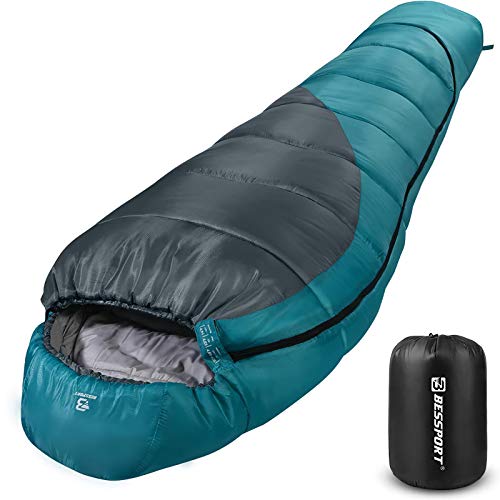


For warm nights, having the right insulation materials in your sleeping bag is key. Pick one that is well insulated or has a sleeping bag liner. Your body heat will stay in the sleeping bag, keeping you nice and warm.
Use natural insulator when you go camping
Mother Nature actually offers some natural insulation as well, so if you need to use dead, dried leaves to create a barrier or use the trees to block the wind, do so.
Just be certain that you’re doing so in a safe manner and aren’t at risk of having the trees or branches break and drop on you or the tent.
cover your tent with a tarp
Last but not least, cover the top of your tent with a tarp, too. This will cut the wind and help keep the rain out and just again, provide another layer of protection from the outside elements. It doesn’t have to be anything fancy, either. Just put it over your tent and stake it to the ground.
Will a tent hold heat?
Technically, tents were not made to be holders of heat. This is where having a smaller tent with tent insulation is important. Cold nights will zap tents of heat very quickly, but having less space in a tent vs. a ton of extra space will give you better odds of holding more heat.
The tent walls are thin, which means that the heat is naturally going to escape. This is where adding tarps and liners can help, but it’s not always guaranteed.
Can you add insulation to a tent?
Yes, you can. Reflective foam is a great extra insulation for the sides of your tent and is relatively easy to install.

THE IMPORTANCE OF INSULATING YOUR TENT (AND YOURSELF!)
Make certain that you’re not skimping when it comes to insulating your tent. We all know that the hot air rises, so you need to have your roof area insulated with either a tarp or a barrier so that you’re not losing hot air that you could be using.
When it comes to insulating the tent floor, there are a few other things that you can do, too.
- Insulate yourself and wear layers of clothing to bed
But not just any layers of clothing. You need to change out of what you’ve been wearing for the day and put on brand new, clean clothes. Then, layer up. The reason you want to change is that you’ve sweated all day long and that sweat will make you cold at night. Clean, warm clothes are best.
And don’t forget to put on a stocking cap as well! Trapping the heat so that it stays with you and your body is going to be the number one thing to think about when it comes to staying warm.
How effective is tent insulation in hot weather?
Tent insulation primarily focuses on retaining heat in cold weather conditions. While some insulating materials may offer slight benefits in hot weather by reducing radiant heat transfer, they are not designed specifically for cooling purposes.
In hot climates, it is more effective to focus on ventilation and shade to keep the tent cool.
How do wind breaks help improve tent insulation?
Wind breaks act as barriers against cold winds that can penetrate through the walls of your tent. By strategically placing wind breaks around your campsite or using natural features like trees or rocks as shields, you can reduce wind chill inside the tent and enhance overall insulation. This is a big way to help winterize a tent.
MORE CAMPING POSTS
Now that you learned how to keep a tent warm, check out these other great camping tips.
- Campsites and Tent Camping On California Beaches
- Tent Camping for Beginners
- Best Camping Cookware for Open Fire Cooking
Leave a Reply