These simple tips for tent camping for beginners will have you loving the camping life! You can easily pack up your gear and be camping in no time at all. Best of all, Mother Nature is always open and ready! Find out the best way to tent camp – perfect for beginner campers.
This post will give you the essential items needed to take the first step in planning a camping trip. Gather the important items listed below – and get ready to have a great time.

Affiliate links are used in this post at no extra cost to you. As an Amazon Associate I earn from qualifying purchases. See my Disclosure and Privacy Policy for more info.
Everyone should try camping at least once in their life. It’s a great way to unplug, take some time for yourself, and rekindle your appreciation for the beautiful world we live in.
Despite all these incredible benefits of camping, it can still be an adjustment for beginners. Fortunately, you don’t have to figure out your first trip alone.
When you’re ready to take your great outdoor vacation, keep these top tips for first-time campers in mind.
How do I make my camping tent more comfortable?
One of the biggest things to keep in mind when camping in a tent for the first time is that you need to have your tent be as comfy as possible.
If you can bring an overnight sleeping pad or sleeping blanket for your tent, this will help tremendously with your comfort level!
Check PriceCheck PriceCheck PriceCheck Price
Make sure that you choose a tent with enough room so that you can get a good night’s sleep. If this is your first time camping, it’s a good idea to pack an air mattress, sleeping bag, and blankets to stay warm.
Should you put a tarp under your tent?
Yes, always. You’ll be surprised that even in the heat of summer, the ground can omit some colder temps (and hot ones!) that will have you either burning up or freezing cold. Putting down a tarp in your tent is a great way to have an extra barrier to help you relax and get a good night’s rest.
Check PriceCheck PriceCheck PriceCheck PriceCheck PriceCheck PriceCheck PriceCheck Price
What to know before buying a tent?
Believe it or not, buying a tent isn’t as easy as showing up at the store and purchasing whatever. While it can be, there are a few things to consider as well. Things to consider when buying a tent:
- Buy a tent big enough for all your campers
- Get one that is rainproof
- Find one that is easy to put up and down
- Consider the weight of the tent if you’re going to be carrying it far
As you can tell, tent camping for beginners does require a bit of planning. Here are some other camping 101 tips that are certain to help!

If you’ve ever wanted to experience the thrill of sleeping under the stars and immersing yourself in nature, then tent camping is the perfect adventure for you.
Tent camping offers a unique opportunity to disconnect from the hustle and bustle of everyday life and reconnect with the great outdoors. Whether you’re a beginner or have some experience, we will provide you with the essential knowledge to get started on your camping journey.
In this guide, we’ll cover all the basics of tent camping, from choosing the right tent to understanding camping etiquette. You’ll learn how to set up your tent, what gear to pack, and tips for staying comfortable in various weather conditions.
We’ll also delve into the joys of sleeping under a starry sky and explore the benefits of connecting with nature.
So, if you’re ready to embark on an unforgettable outdoor adventure, let’s dive into the world of tent camping!
Tips for First-Time Campers: Mastering the Basics
Keep in mind that it’s important to pay attention to the weather when you’re going camping. Planning road trips and camping trips for winter camping and cold weather are very different than camping during the summer months of the year.
Pack essential gear and supplies for a successful trip
Packing the right gear and supplies is crucial. Here are some top tips to ensure you have everything you need for a successful camping trip:
- Make a checklist of essential things like a tent, sleeping bags, cooking equipment, food, water, and toiletries.
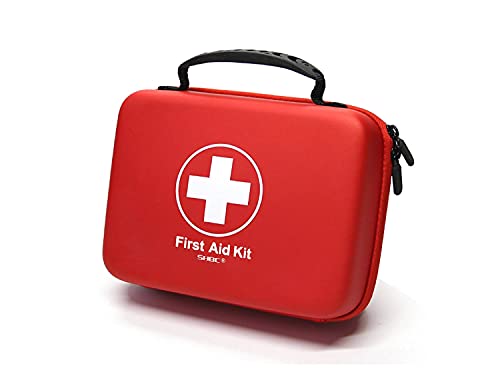
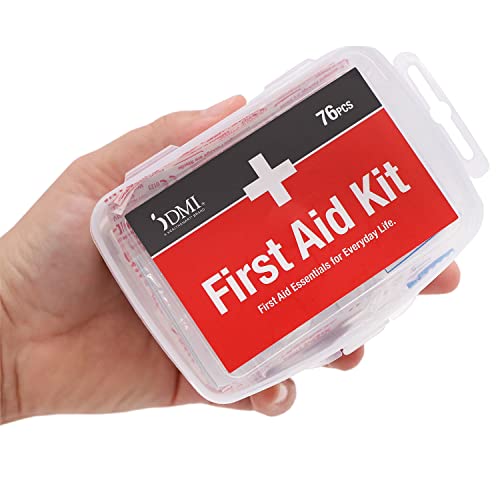
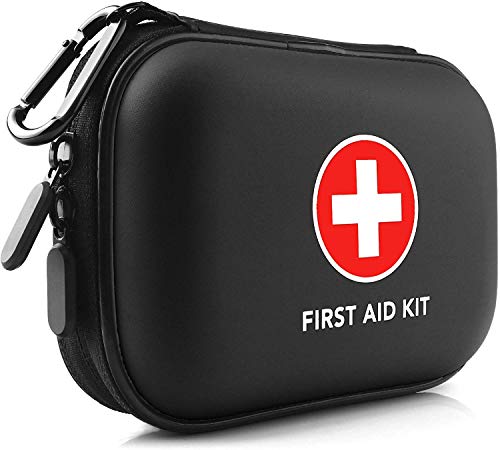
- Don’t forget to bring a first aid kit in case of any minor injuries or emergencies.
- Pro tip: Practice setting up your tent at home before your trip to familiarize yourself with the process.


Learn how to set up and take down your tent efficiently
Setting up and taking down your tent can be challenging if you’ve never done it before. Follow these steps to make the process easier:
- Choose a suitable location for your tent – preferably on level ground away from hazards like rocks or tree roots.
- Lay out your tent footprint or tarp before assembling the tent itself.
- Assemble the poles according to the instructions provided with your tent.
- Attach the rainfly if necessary and secure it properly to protect against rain.
- When it’s time to pack up, reverse the steps by disassembling the poles and folding up the tent carefully.
Check PriceCheck PriceCheck PriceCheck PriceCheck PriceCheck Price
Stay comfortable by choosing appropriate bedding and clothing options
Camping can be an enjoyable experience if you stay comfortable throughout your trip. Consider these tips for bedding and clothing:
- Invest in a good quality sleeping bag that suits the weather conditions of your camping destination.
- Bring extra blankets or sleeping pads for added comfort.
- Dress in layers so you can adjust accordingly as temperatures fluctuate throughout the day.
Familiarize yourself with campground etiquette and rules
To ensure a pleasant experience for everyone at the campground, it’s important to follow proper etiquette and abide by campground rules:
- Respect quiet hours designated by the campground to avoid disturbing other campers.
- Dispose of trash properly and keep your campsite clean.
- Be mindful of wildlife and refrain from feeding or approaching them.
Remember, camping is an opportunity to connect with nature and enjoy the great outdoors. By following these tips, you’ll be well-prepared for your first camping adventure!
Planning Your First Camping Trip: Step-by-Step Guide
Use this as a great resource to plan your next camping trip. While this won’t cover everything, it’s a great beginner’s guide to start the camping lifestyle.
Determine Destination Based on Personal Preferences and Interests
Start planning your first camping trip by deciding where you want to go. Think about what interests you and what kind of experience you’re looking for. Do you want to be surrounded by mountains, near a lake, or in a forest?
Consider the activities you enjoy, such as hiking, fishing, or wildlife spotting. Research different campgrounds and national parks that offer these features.
Create a Checklist to Ensure You Have All Necessary Items Before Leaving Home
To have a successful camping trip, it’s essential to be prepared with all the necessary items. Make a checklist of things you’ll need before leaving home. Here are some must-haves for tent camping beginners:
- Tent: Choose the right size tent that can accommodate everyone comfortably.
- Sleeping bags and sleeping pads: Keep yourself warm and comfortable during the night.
- Cooking equipment: Pack a portable stove or grill, pots and pans, utensils, and plates.
- Food and water: Plan your meals ahead of time and pack non-perishable food items. Don’t forget to bring enough water for drinking and cooking.
- Clothing: Pack appropriate clothing for different weather conditions. Layering is key!
- Lighting: Bring flashlights or headlamps with extra batteries for nighttime activities.
- First aid kit: Be prepared for any minor injuries or illnesses that may occur during your trip.
Check PriceCheck PriceCheck PriceCheck Price
Make Reservations or Check Availability at Campgrounds in Advance
To ensure you have a spot at your desired campground, it’s important to make reservations in advance. Popular campgrounds can fill up quickly, especially during peak seasons.
Check availability online or call the campground directly to secure your spot. If reservations are not required but recommended, consider arriving early to increase your chances of finding an available site.
Plan Activities and Attractions Near Your Chosen Campsite
While camping, it’s not just about staying in your tent all day. Research activities and attractions near your chosen campsite to make the most of your trip.
Look for hiking trails, scenic viewpoints, fishing spots, or swimming areas nearby. Consider any guided tours or ranger-led programs that may be available at the campground or park. Planning these activities in advance will help you maximize your time and enjoyment.
Remember, planning is key to a successful camping trip. Take the time to research and prepare before heading out into the great outdoors.
By determining your destination based on personal preferences, creating a checklist of necessary items, making reservations in advance, and planning activities near your campsite, you’ll be well-prepared for an unforgettable adventure.
Cooking and Meal Preparation Tips for Beginners
Choose easy-to-make meals
When you’re just starting out with tent camping, it’s important to choose meals that are easy to make. Stick to simple recipes that require minimal equipment and ingredients.
This will make your cooking experience much more enjoyable and stress-free. Some examples of easy-to-make meals include sandwiches, pasta dishes, soups, and one-pot meals.
Utilize portable cooking methods
As a beginner camper, it’s essential to have the right kitchen gear for your trip. Invest in a good camp stove or grill that is portable and easy to use. These cooking methods are convenient because they allow you to cook your meals efficiently without the need for a traditional kitchen setup. Make sure you have the necessary pots, pans, and utensils for cooking over an open flame or on a camp stove.
Check PriceCheck PriceCheck PriceCheck PriceCheck PriceCheck PriceCheck PriceCheck Price
Store food properly
Proper food storage is crucial when camping, as it helps prevent spoilage and keeps wildlife away from your campsite. Keep perishable items like meat and dairy products in a cooler with ice packs or ice cubes to maintain their freshness.
Non-perishable items such as canned goods and dry snacks can be stored in sealed containers or resealable bags. It’s also important to store your food away from your sleeping area to avoid attracting animals.
Clean up after meals
Cleaning up after meals is an important part of responsible camping. Be sure to bring biodegradable soap and use it sparingly when washing dishes. Dispose of wastewater at least 200 feet away from water sources such as lakes or rivers.
If possible, try using reusable plates, cups, and utensils to minimize waste. Remember to pack out all trash and leave no trace behind.


By following these cooking and meal preparation tips for beginners, you’ll be well-equipped to handle the culinary aspect of tent camping with ease.
Remember to choose easy-to-make meals, utilize portable cooking methods, store food properly, and clean up after meals using environmentally-friendly practices. With these tips in mind, you’ll be able to enjoy delicious meals while immersing yourself in the great outdoors.
Safety Precautions and Guidelines for a Successful Trip
To ensure a safe and enjoyable tent camping experience, it’s crucial to take some necessary safety precautions. Here are some guidelines to follow:
Secure your campsite by storing food properly, away from wildlife access
When setting up your campsite, it’s important to store your food in a secure manner to prevent any unwanted visits from wildlife. Keep food items sealed tightly in containers or coolers and store them in designated bear-resistant containers if required.
Hang your food high off the ground and away from trees to deter animals from reaching it. This will help maintain the natural habitat and avoid any potential conflicts with wildlife.
Check PriceCheck PriceCheck PriceCheck Price
Familiarize yourself with local weather conditions and emergency protocols
Before embarking on your camping trip, make sure you are aware of the local weather conditions for the duration of your stay. Check the weather forecast regularly leading up to your trip so you can pack accordingly.
Familiarize yourself with any emergency protocols specific to the area you’ll be visiting. Knowing where emergency services are located and having a plan in place will ensure you’re prepared for unexpected situations.
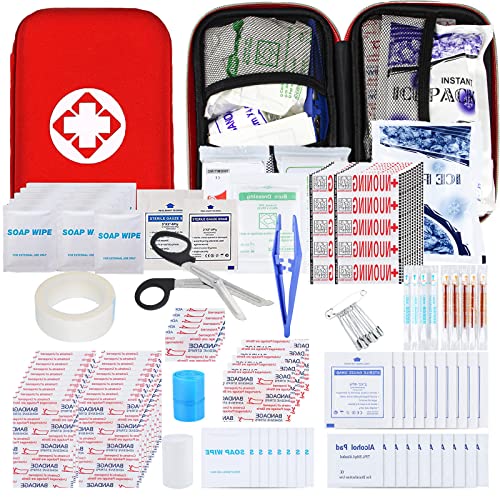
Pack a first aid kit with essentials like bandages, antiseptic, and medications
Accidents can happen even during a leisurely camping trip, so it’s essential to have a well-stocked first aid kit on hand. Include items such as bandages, antiseptic ointment, pain relievers, insect repellent, sunscreen, and any necessary prescription medications.
It’s always better to be prepared for minor injuries or illnesses that may occur while enjoying the great outdoors.
Know basic wilderness survival skills such as starting a fire or reading maps
Having basic wilderness survival skills is crucial when venturing into nature. Learn how to start a fire safely using proper techniques like using dry kindling or fire starters rather than relying on lighter fluid or gasoline.
Understanding how to read maps and navigate your surroundings can also be invaluable in case you get lost or need to find your way back to camp. These skills will give you the confidence to handle unexpected situations that may arise.
Follow leave no trace principles
When camping, it’s important to practice “leave no trace” principles, which means leaving the natural environment as pristine as possible. This includes packing out all trash, disposing of waste properly, and minimizing your impact on the surroundings.
Be respectful of nature by staying on designated trails and avoiding damaging vegetation or wildlife habitats. By following these principles, you’ll help preserve the beauty of the outdoors for future generations.
Finding the Perfect Campsite: Factors to Consider
Finding the perfect campsite is crucial for a successful and enjoyable trip. Here are some factors to consider when choosing your ideal camping spot:
Evaluate Amenities Offered at Different Campsites
Before settling on a campsite, it’s essential to evaluate the amenities offered. Some campsites provide showers, electricity, and even Wi-Fi access, which can be convenient for those who prefer a more comfortable camping experience. On the other hand, if you’re looking for a more rustic adventure, you might opt for campsites with minimal amenities.
Pros:
- Access to showers and electricity provides convenience and comfort during your stay.
- Wi-Fi access can be beneficial if you need to stay connected or share your camping adventures with friends and family.
Cons:
- Campsites with extensive amenities may be more crowded and less secluded.
- Depending on your preferences, you might find that too many amenities detract from the authentic camping experience.
Decide Between Public or Private Campgrounds
Another factor to consider is whether you want to camp in public or private campgrounds. Public campgrounds are often managed by national parks or state agencies and offer a range of facilities such as picnic areas, fire pits, and restrooms.
Private campgrounds are typically owned by individuals or organizations and may have additional amenities like swimming pools or playgrounds.
Pros:
- Public campgrounds usually offer well-maintained facilities and easy access to hiking trails or scenic views.
- Private campgrounds often have extra recreational activities available for families or larger groups.
Cons:
- Public campgrounds tend to be busier during peak seasons due to their popularity.
- Private campgrounds may come with higher fees compared to public options.
Take Into Account Proximity To Recreational Activities
One of the perks of camping is being able to enjoy outdoor recreational activities. When choosing a campsite, consider its proximity to hiking trails, lakes, or other activities you’re interested in.
Being close to these attractions will allow you to make the most of your camping experience and explore the natural beauty of the area.
Pros:
- Easy access to hiking trails allows for scenic walks and opportunities to connect with nature.
- Proximity to lakes or rivers offers the chance to go fishing, swimming, or canoeing.
Cons:
- Campsites near popular recreational areas may be crowded during peak seasons.
- Depending on your preferences, being too close to certain activities might result in noise or disruptions.
Assess Campground Regulations
Lastly, it’s important to familiarize yourself with campground regulations before making a decision. Check if they have any restrictions regarding pets, noise levels, or quiet hours that could impact your camping experience.
Understanding these rules will help ensure a harmonious stay for everyone at the campground.
Pros:
- Clear regulations contribute to a peaceful and respectful camping environment.
- Knowing pet policies beforehand allows you to plan accordingly if you want to bring your furry friend along.
Cons:
- Some regulations may limit certain activities or require additional precautions.
- Failure to comply with campground rules can result in penalties or eviction from the site.
By considering these factors when choosing a campsite for your tent camping adventure, you’ll be well-prepared and set up for an enjoyable experience amidst nature’s beauty. Remember that finding the perfect campsite is all about aligning your preferences with what each location has to offer.
Embracing the Adventure of Tent Camping
Tent camping for beginners is an exciting way to disconnect from technology and immerse yourself in the simplicity of nature. It offers a chance to step away from the hustle and bustle of everyday life and embrace the great outdoors. Let’s explore some reasons why tent camping can be a thrilling adventure for everyone, whether you’re with family or friends.
Disconnect from technology and embrace the simplicity of nature
One of the main benefits of tent camping is the opportunity to disconnect from technology. In today’s digital age, we are constantly bombarded by screens and notifications.
Camping allows us to take a break from all that and focus on what truly matters – spending time in nature. Without distractions, you can fully appreciate the beauty around you and engage with your surroundings.
Engage in outdoor activities like hiking, fishing, or stargazing
When you go tent camping, you open yourself up to a world of outdoor activities. Whether it’s hiking through scenic trails, casting a line into a tranquil lake for some fishing, or simply gazing at the stars in awe, there is something for everyone.
These activities not only provide entertainment but also allow you to connect with nature on a deeper level.
Build lasting memories with family and friends around a campfire
Tent camping provides an excellent opportunity to bond with your loved ones. Gather around a crackling campfire, roast marshmallows, share stories, and create memories that will last a lifetime.
The absence of modern distractions allows for quality time spent together without interruptions. Camping trips often become cherished traditions that bring families closer together.
Appreciate the beauty of natural surroundings and wildlife encounters
One of the most rewarding aspects of tent camping is being able to appreciate the beauty of natural surroundings firsthand. Wake up to breathtaking views outside your tent door as sunlight filters through towering trees or witness stunning sunsets painting vibrant colors across the sky.
You may encounter wildlife such as squirrels, birds, or even deer during your camping adventure, providing an opportunity for unique and memorable experiences.
Tent camping is a versatile activity that can be enjoyed in various settings, from established campgrounds to more remote backcountry locations. It offers a chance to unplug from the modern world and reconnect with nature. So grab your sleeping bag, pack up your camping stove, and embark on an adventure in the great outdoors!
Essential Toiletries for Camping: Pack Smart
From toothpaste and toilet paper to biodegradable soap and insect repellent, having the right toiletries can make your camping experience more comfortable and enjoyable. Remember to pack travel-sized items to save space in your backpack or camping gear.
To ensure a successful camping trip, it’s crucial to be prepared with all the necessary toiletries. By packing smart and considering the specific needs of your adventure, you can avoid any inconveniences or discomforts that may arise during your time in the great outdoors. So next time you plan a camping trip, don’t forget to pack these essential toiletries!


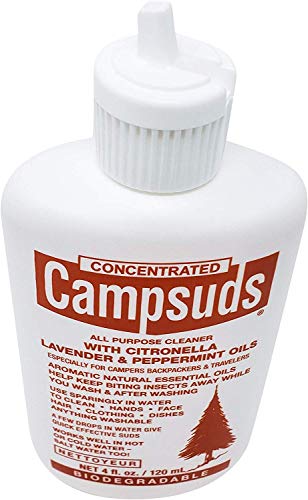

Is it necessary to bring biodegradable soap while camping?
Biodegradable soap is highly recommended for camping as it helps minimize environmental impact. Regular soaps can contain chemicals that are harmful to aquatic life when they enter water sources such as rivers or lakes.
Using biodegradable soap ensures that you’re being environmentally conscious while still maintaining personal hygiene.
What type of insect repellent should I use for camping?
When choosing an insect repellent for camping, look for products containing DEET or picaridin as they are effective against mosquitoes, ticks, and other insects commonly found in outdoor environments.
It’s important to follow the instructions on the product label and reapply as needed. Consider using clothing treated with permethrin for added protection.
Check PriceCheck PriceCheck PriceCheck Price
How much toilet paper should I bring for a camping trip?
The amount of toilet paper you should bring depends on the duration of your trip and the number of people in your group. As a general rule of thumb, estimate about one roll per person per day. It’s always better to have extra than run out unexpectedly.
Check PriceCheck PriceCheck PriceCheck Price
Can I use regular toothpaste while camping?
While you can use regular toothpaste while camping, consider opting for a travel-sized tube to save space. If you’re concerned about the environmental impact, there are also eco-friendly toothpaste options available. Remember to pack a toothbrush and dental floss as well.
Should I bring a first aid kit when camping?
Yes, it’s highly recommended to have a basic first aid kit with you when camping. Accidents or injuries can happen, and having essential supplies like bandages, antiseptic wipes, pain relievers, and tweezers can help in emergency situations.
Make sure to check your first aid kit regularly and replenish any items that have been used or expired.
What is the most important thing to know about tent camping?
I really can’t narrow it down to just one thing. But, just because I like to talk, here are a few of my top tips that I think are important. Don’t go to the grocery stock and stock up on a bunch of food that you don’t have a plan for. Meal plan what you will be camp cooking so that you can utilize your funds and time to the best of your ability.
It’s a great idea to pack camp chairs because you’ll use them to sit around the fire pit, and to just use to have space outside your tent. They don’t take up much space to pack and give you just a little bit of room to yourself.
Invest in a great tent. It’s worth the extra cost. Don’t turn your nose up at a packing list. It’s the only way that I remember to bring everything that I need!
Young children can be tent campers! In fact, that’s how we started out our kiddos. Just invest in a large tent for the whole family to have a blast together under the stars.
And the last thing that I think is important is to make sure that you set the tent in a great pace. I like to be near the water source at the campground since we tend to go back and forth a lot to get drinking water and wash dishes.
Oh – and don’t forget that you can practice camp before launching. Setting up camp in the backyard is a great way to ensure that everyone is prepared to have fun!

Leave a Reply