Is it a good idea to go camping on a solo trip as a female? Before booking your camping spot, read these tips to help prepare and give yourself peace of mind. All solo campers can learn a thing or two from these safe camping tips.
Safety concerns can often loom large for women. Addressing these concerns head-on is important to ensure a safe and enjoyable camping experience.
By empowering women campers with practical tips and precautions, we can help them feel confident and secure while exploring the great outdoors.
So, if you’re a woman who loves adventure but worries about safety or know someone who fits that description, keep reading for helpful advice.
Let’s make camping a safe and empowering experience for everyone. Is camping safe for a woman? Absolutely – just know how to be prepared before the trip.

Factors to Consider for Women Camping Alone
Before embarking on a solo camping trip, there are several factors that women should consider to ensure their safety and enjoyment.
Let’s take a look at some of these important factors:
Location:
The choice of location plays a crucial role in the safety of a solo camping trip. It’s essential to research and select campgrounds or areas known to be safe and well-maintained.
Look for places with good lighting, secure facilities, and nearby emergency services.
Consider the proximity to other campers or park rangers who can assist if needed.
Weather Conditions:
Being aware of the weather forecast is vital when planning a camping trip alone. Extreme weather conditions such as heavy rain, storms, or extreme heat can pose risks and make it more challenging to stay safe.
Check the weather forecast before you go and be prepared with appropriate gear and clothing for any potential changes in weather.
Personal Fitness:
Assessing your own physical fitness level is important before embarking on a solo camping adventure. Camping often involves activities like hiking or carrying heavy gear, so it’s crucial to be physically capable of handling these tasks comfortably.
Engaging in regular exercise beforehand can help build strength and endurance for the journey.
Thorough Planning:
Thorough planning is key. Research your chosen campground or area extensively, including any potential wildlife encounters or specific safety concerns. Plan your itinerary carefully, informing friends or family members about your whereabouts and expected return date.
Although camping alone as a woman may require extra precautions, it can also be an incredibly empowering experience filled with self-discovery and adventure.
solo female camping safety tips
Camping alone as a woman can be an empowering and exhilarating experience. However, it’s essential to prioritize safety and take proactive measures to ensure a smooth and secure camping trip.
Here are some valuable tips specifically tailored for female campers venturing out on their own:
Self-Defense Techniques
- Learn basic self-defense techniques such as striking vulnerable areas, using personal alarms or whistles, and carrying non-lethal self-defense tools like pepper spray.
- Consider taking a self-defense class before your camping trip to boost your confidence and equip yourself with effective skills.
Emergency Communication Devices
- Carry reliable communication devices such as a fully charged cell phone, portable charger, or satellite phone in case of emergencies.
- Invest in a personal locator beacon (PLB) or a satellite messenger device that allows you to send distress signals and share your location with emergency services.
Situational Awareness
- Stay alert and aware of your surroundings at all times. Trust your instincts if something feels off.
- Avoid sharing personal information with strangers you meet while camping. Maintain boundaries and only disclose necessary details.
Pre-Trip Research
- Conduct thorough research about the campsite you plan to visit. Look for reviews, safety ratings, and any previous incidents reported by other campers.
- Check the weather forecast beforehand to prepare appropriately for any potential risks or changes in conditions.
Campsite Selection
- Choose well-established campsites that have good lighting, security measures, and are frequented by other campers.
- Opt for campsites located near popular hiking trails or where there is regular park ranger patrol.
Remember, being prepared is key when camping alone as a woman. By following these safety tips and taking proactive precautions, you can enjoy the beauty of nature while ensuring your well-being throughout the journey.
Challenges and Solutions for Women Camping Alone
Camping alone as a woman can present some unique challenges. Let’s examine these challenges and explore practical solutions to help you have a safe and enjoyable camping experience.
Fear and Loneliness
One common challenge that women may face when camping alone is fear. Being in an unfamiliar environment can be intimidating, especially at night. The feeling of loneliness can creep in, making the experience less enjoyable.
- Solution: To combat fear and loneliness, consider joining camping groups or finding fellow campers to connect with. This way, you’ll have people around who share your passion for camping and can provide support and companionship.
Lack of Confidence
Another challenge for women camping alone is a lack of confidence. It’s natural to feel uncertain about handling certain situations or dealing with unexpected circumstances.
- Solution: Boost your confidence by acquiring essential camping skills before embarking on solo trips. Take classes or workshops on topics like setting up a tent, starting a fire, or reading maps. Practice these skills so that you feel more prepared and capable during your adventures.
Safety Concerns
Safety is always a top priority when camping alone as a woman. Feeling vulnerable in isolated areas or encountering potentially dangerous situations can be worrisome.
- Solution: Research the campsite beforehand to prioritize safety. If possible, choose well-lit areas with good visibility and proximity to other campers. For added security, carry personal safety items such as whistles, pepper spray, or personal alarms.
Enjoyment and Independence
While solo camping trips can be challenging, it’s important to remember the joys of independence and self-discovery that come with exploring nature on your own terms.
- Solution: Embrace the freedom that comes with solo camping by planning activities you enjoy – whether it’s hiking, birdwatching, stargazing, or simply relaxing by the campfire with a good book. Take the time to connect with nature and yourself, and savor the unique experience of being in the great outdoors.
Remember, solo camping as a woman can be empowering and rewarding. By addressing common challenges and implementing practical solutions, you can confidently embark on memorable adventures in nature.
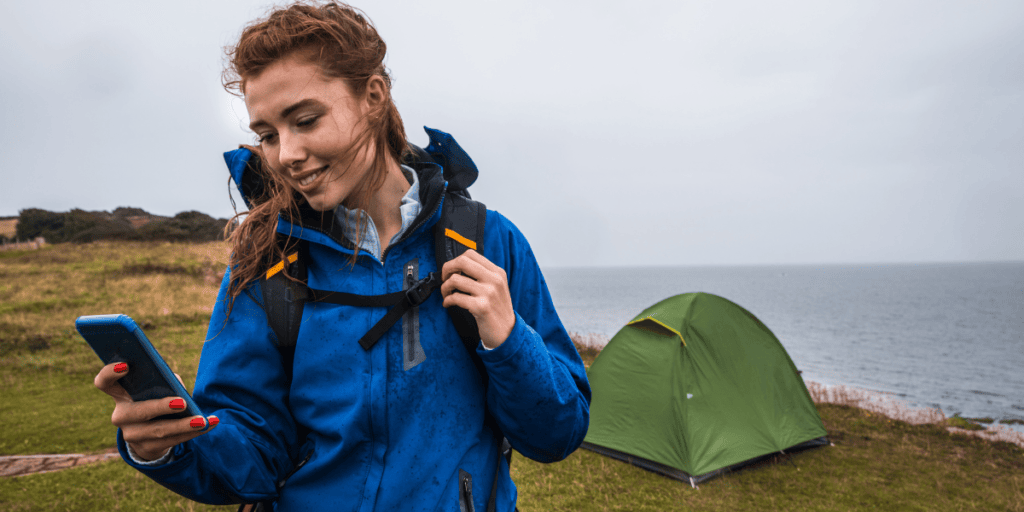
Choosing the Right Campsite or Location Wisely
Selecting an appropriate campsite is crucial for ensuring safety as solo camping female. It’s important to consider factors such as proximity to civilization, visibility, and access to emergency services.
Here are some tips and resources on finding safe campsites suitable for solo female travelers:
Proximity to Civilization
- Choose a campsite that is not too remote but also not overly crowded.
- Look for campsites located near established parks or campgrounds.
- Opt for sites that have other campers nearby, providing a sense of security.
Visibility and Accessibility
- Prioritize campsites that offer good visibility from surrounding areas.
- Consider locations with open spaces where you can easily see your surroundings.
- Avoid secluded areas with dense vegetation or limited views.
Access to Emergency Services
- Check if the campsite has access to emergency services like hospitals or police stations.
- Research the availability of cell phone reception in the area.
- Consider carrying a satellite phone or personal locator beacon for emergencies.
Resources and Tips
- Utilize websites and apps that provide information on safe campsites specifically for women travelers.
- Read reviews and recommendations from other female campers who have visited the site.
- Join online communities or forums where experienced women campers share their insights.
Remember, planning ahead is key when choosing a campsite. Consider your comfort level, preferences, and specific needs.
By selecting the right location wisely, you can enhance your safety while enjoying the great outdoors.
Essential Gear and Preparation for a Safe Camping Trip
To ensure a safe camping trip, it’s important to be well-prepared with the right gear and take necessary precautions.
Here are some essential items and preparation steps every woman solo camping should consider:
Essential Gear Items
Affiliate links are used in this post at no extra cost to you. As an Amazon Associate I earn from qualifying purchases. See my Disclosure and Privacy Policy for more info.
- A sturdy tent: Choose a reliable tent that can withstand different weather conditions, especially if you’re planning on tent camping or backcountry camping.
- Quality sleeping bag and pad: Invest in a good sleeping bag and pad to stay warm and comfortable throughout the night.
- Proper clothing: Pack appropriate clothing for the expected weather conditions. Layering is key to staying warm during chilly nights.
- Reliable lighting equipment: Bring headlamps or flashlights with extra batteries to navigate in the dark.
Check PriceCheck PriceCheck PriceCheck PriceCheck PriceCheck Price
Preparation Steps
- Create an itinerary: Plan your trip beforehand, including details of your intended route, campsites, and estimated time of arrival at each location. This will help others know where you’ll be in case of emergencies.
- Inform others about your plans: Share your itinerary with friends or family members who aren’t joining you on the trip. Provide them with contact information for emergency situations.
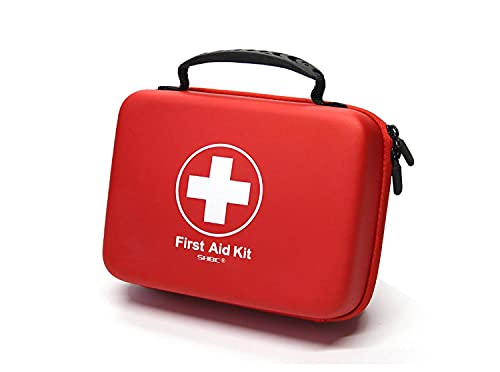
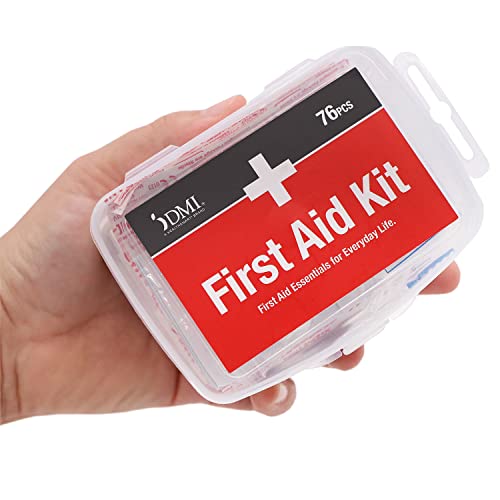
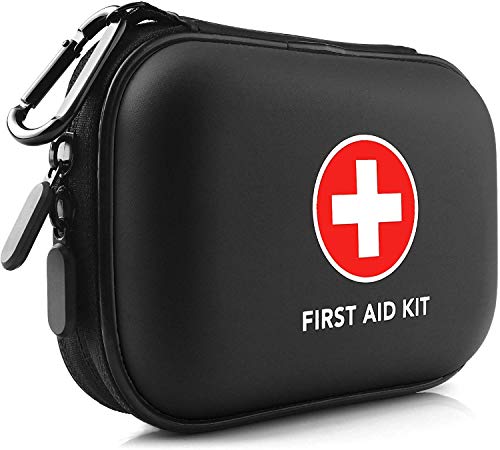
- Pack extra supplies: Prepare for unexpected situations by packing extra food, water, first aid kit, and emergency shelter options like a tarp or emergency blanket.
- Carry self-defense tools: Consider carrying pepper spray or other self-defense tools that make you feel more secure.


Being well-prepared is crucial when venturing into nature. By having the right gear and taking necessary precautions, women campers can enjoy their outdoor experience while feeling safe and confident.
First Aid and Physical Safety: Essential Tips
Important First Aid Tips for woman camping alone
- As a female camper, it’s crucial to be prepared for any potential injuries or health concerns that may arise during your camping trip.
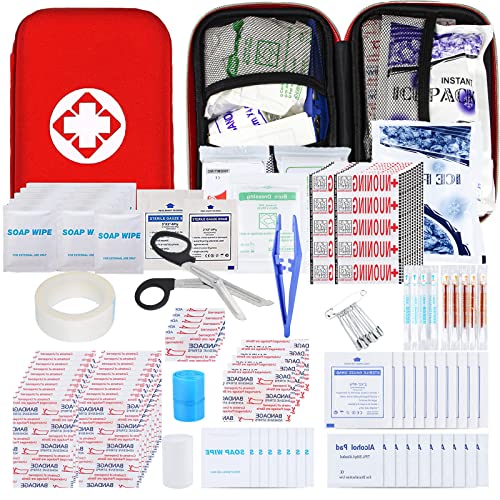
- Carry a well-stocked first aid kit that includes essential items such as band-aids, antiseptic wipes, gauze pads, adhesive tape, and pain relievers.
- Learn basic first aid skills like treating cuts, burns, sprains, and insect bites. This knowledge can come in handy in emergency situations.
Check PriceCheck PriceCheck PriceCheck Price
Addressing Common Injuries and Health Concerns
- Be aware of common injuries that may occur while camping such as cuts from sharp objects or cooking utensils, burns from campfires or stoves, sprained ankles from uneven terrain, and insect bites or stings.
- If you sustain a minor cut or burn, clean the wound with water and apply an antiseptic ointment before covering it with a sterile dressing.
- For sprains or strains, remember the R.I.C.E method – Rest the injured area, Ice it to reduce swelling, Compress with an elastic bandage for support, Elevate the injured limb to minimize swelling.
Carrying a Well-Equipped First Aid Kit
- Ensure your first aid kit is stocked with necessary medications like pain relievers and allergy medication if needed.
- Include feminine hygiene products in your kit to address any menstrual needs during your camping trip.
- Familiarize yourself with the contents of your first aid kit and their uses. It’s important to know how to use each item correctly.
Basic Medical Knowledge
- Understand when professional medical help is required. If an injury or illness is severe or beyond your ability to treat effectively, seek immediate assistance by calling emergency services.
- Stay updated on any specific health concerns related to the camping area you’ll be visiting. For example, if the area has a high prevalence of ticks, be aware of the risks and take appropriate precautions.
- Use common sense and follow safety guidelines to minimize the risk of injuries. Be cautious around campfires, use proper equipment when cooking, and be mindful of your surroundings.
Food Planning: Tips and Resources for Camping
It’s important to plan and prepare your food in advance to ensure nourishing meals during camping trips.
Here are some tips and resources to help you with food planning:
Meal Planning
- Make a list of the meals you want to have while camping.
- Consider easy-to-make recipes that require minimal ingredients and equipment.
- Plan meals that provide a good balance of nutrients to keep you energized.
Safe Food Storage
- Pack perishable foods in a cooler with ice or ice packs to keep them fresh.
- Store raw meats separately from other foods to prevent cross-contamination.
- Keep your cooler in a shaded area to maintain a lower temperature.
Check PriceCheck PriceCheck PriceCheck Price
Alternative Cooking Methods
- If open fires are allowed, learn how to safely cook over a campfire.
- Portable camping stoves can be convenient for cooking meals quickly and efficiently.
- Consider using foil packets or skewers for easy grilling options.
Easy-to-Make Camping Recipes
Finding suitable recipes for camping can be challenging, but there are resources available specifically tailored for women campers.
Here are some places where you can find easy-to-make camping recipes:
- Online camping forums and communities often share recipe ideas.
- Camping cookbooks may offer simple and delicious meal options.
- Social media platforms like Instagram or Pinterest showcase creative camping recipes.
Remember, proper food planning ensures that you have enough nourishment during your camping adventure.
Camping at State or National Parks: Safety Considerations
Camping at state or national parks can be an amazing experience for women, but it’s important to consider safety precautions.
Here are some key factors to keep in mind:
Wildlife Encounters
When camping in state or national parks, you might come across various animals like bears, coyotes, or even snakes. It’s crucial to know how to react if you encounter wildlife:
- Stay calm and avoid sudden movements.
- Keep a safe distance and never approach wild animals.
- Store food securely to prevent attracting wildlife.
- Familiarize yourself with park guidelines on wildlife encounters.
Park Regulations
Each state or national park has its own set of rules and regulations. Make sure you are aware of these guidelines to ensure your safety:
- Follow designated trails and stay within authorized camping areas.
- Respect quiet hours and other campsite rules.
- Be mindful of fire safety regulations and always extinguish fires properly.
Emergency Protocols
In case of emergencies, knowing the proper protocols is essential for your safety:
- Memorize emergency contact numbers for park rangers or authorities.
- Carry a first aid kit and know basic first aid procedures.
- Inform someone about your camping plans and expected return time.
As a woman, you can enhance your overall camping experience while ensuring your well-being by being familiar with these safety considerations at state or national parks.
Remember, it’s important to respect nature, follow park regulations, and be prepared for any situation that may arise during your adventure.
Mentally Preparing Yourself for Solo Camping Adventures
You’ve gained valuable insights into the factors to consider, safety tips, challenges, gear preparation, and more. Now it’s time to focus on mentally preparing yourself for your solo camping adventures.
Remember, you are strong and capable. Embrace the empowering feeling of stepping out of your comfort zone and immersing yourself in nature.
Trust your instincts and believe in your abilities to handle any situation. Take pride in the fact that you are taking charge of your own experiences and creating unforgettable memories.
Now go out there, embrace the beauty of solitude in nature, and create memories that will last a lifetime!
Can I camp alone if I have limited outdoor experience?
Absolutely! While some outdoor experience can be helpful, solo camping is still possible even if you’re a beginner. Start with short trips close to home or choose campsites with amenities nearby.
Research extensively beforehand, familiarize yourself with basic camping skills like setting up a tent or building a fire, and pack essential gear like navigation tools and first aid supplies.
How do I stay safe while camping alone?
Safety should always be a priority when camping alone. Some key tips include informing someone about your trip details, choosing well-populated campsites or those recommended for solo travelers, trusting your instincts by being aware of potential wildlife encounters, practicing fire safety measures at all times, and carrying emergency communication devices.
What should I do if I encounter a dangerous situation while camping alone?
If you find yourself in a dangerous situation, the first step is to stay calm and assess the situation. Trust your instincts and prioritize your safety. If possible, remove yourself from the immediate danger or find a safe place to seek help.
It’s also important to have emergency communication devices like a cellphone or satellite messenger to call for assistance if needed.
How can I overcome fear or anxiety about camping alone?
Overcoming fear or anxiety about camping alone takes time and practice. Start by gradually exposing yourself to solo outdoor activities, such as day hikes or short camping trips. Familiarize yourself with the environment and learn essential skills that will boost your confidence.
Surround yourself with positive support systems, join outdoor communities, and consider taking self-defense classes for an added sense of security.
Are there any specific precautions I should take when camping alone as a woman?
While many safety precautions apply to both men and women, some additional considerations exist for solo female campers.
These include being mindful of personal hygiene products and waste disposal methods, dressing appropriately for comfort, practicing situational awareness at all times, avoiding sharing personal information with strangers, and trusting your intuition.
If you are going to camp in a remote location or in new places, follow your gut feeling. The best thing that you can do is have your mobile phone charged and let a family member or close friend know where you’re going to be camping.
This is good advice for a single woman or anyone who is traveling on a road trip and looking for solo camping experiences. Use these camping tips for women to plan your next trip!
Leave a Reply