The importance of safety while camping cannot be overstated. Being in a natural setting means that the usual conveniences and immediate assistance available in urban areas are absent. This makes it essential for campers to be well-prepared and vigilant.
Safety measures help prevent injuries and emergencies that could turn an enjoyable trip into a stressful ordeal—being safety-conscious fosters a sense of responsibility towards oneself and the environment, encouraging sustainable and respectful interaction with nature.
Common camping injuries can occur despite the best preparations, often affecting the overall experience. Understanding these potential risks is the first step in mitigating them.
Injuries and conditions highlight the need for campers to be prepared with a well-stocked first-aid kit, basic first aid knowledge, and an understanding of when to seek professional medical help.
By prioritizing safety in every aspect of their trip, campers can avoid many common pitfalls and ensure their time in nature is safe and enjoyable.

Preparation for a Safe Camping Trip
Going on a camping adventure requires more than enthusiasm—thorough research and meticulous planning are paramount to ensuring safety and enjoyment. Let’s discuss the key aspects of preparation that every camper should consider before heading into the wilderness.
Research and Planning
Selecting a Safe Campsite
Choosing the right campsite is the first step in limiting risks and setting the foundation for a safe trip. Opt for well-documented and recommended sites by other campers or official sources. Ensure the campsite is free from falling branches, flooding risks, or unstable ground.
To avoid environmental damage, consider proximity to water sources and emergency services and adhere to any regulations or guidelines set by park authorities.
Check PriceCheck PriceCheck PriceCheck PriceCheck PriceCheck PriceCheck PriceCheck Price
Checking Weather Conditions
Weather can dramatically affect a camping experience, so checking forecasts in advance is vital. Understanding the expected temperature, precipitation, and wind conditions helps pack appropriate gear and clothing. Be prepared for sudden weather changes by knowing the signs of storms or extreme temperature shifts. A contingency plan in adverse weather can safeguard against unnecessary risks.
Understanding Local Wildlife and Terrain
Each camping location has its unique ecosystem, making it crucial to research local wildlife and terrain. Familiarize yourself with wild animals you may encounter and learn appropriate ways to avoid unwanted interactions. Understanding the terrain helps select suitable footwear and plan hikes according to difficulty levels.
This preparation minimizes the chances of injuries from slips, falls, or unexpected wildlife encounters.
Packing Essentials
First-Aid Kit
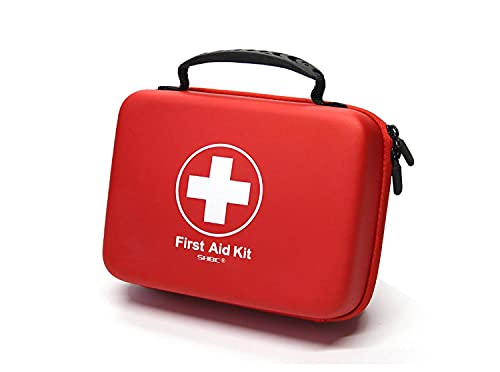
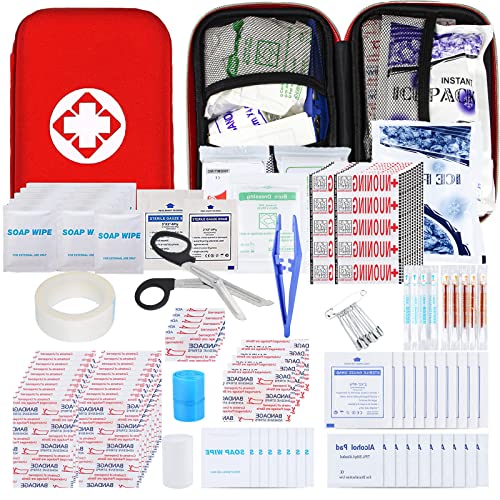
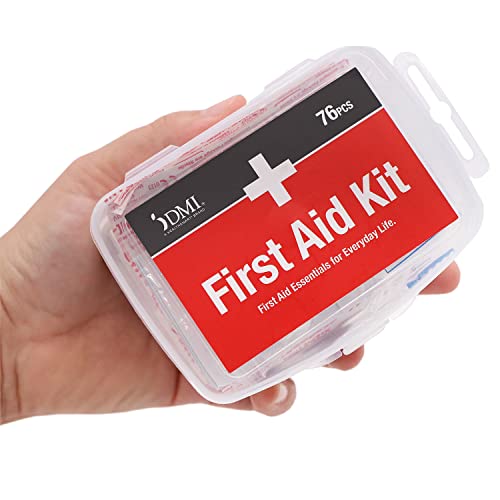
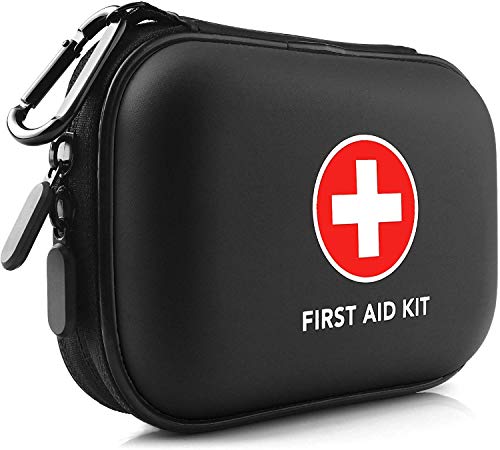
A comprehensive first-aid kit is indispensable for addressing common injuries like cuts, sprains, or allergic reactions. Ensure it includes bandages, antiseptics, pain relievers, and personal medications. Tailor the kit according to the trip’s specifics and group size, and familiarize yourself with basic first-aid procedures to act effectively in emergencies.


Navigation Tools (Maps, Compass, GPS)
Getting lost can be a significant risk in unfamiliar terrain, making navigation tools essential. Carry updated maps, a reliable compass, and GPS devices. Learn how to use these tools before the trip and plan your routes. Integrating both traditional and digital navigation methods ensures redundancy if technology fails.
Weather-Appropriate Clothing and Gear
Packaging clothing that supports comfort and safety in varying weather conditions is crucial. Layering allows for adjustment to temperature changes, while waterproof and wind-resistant materials protect against elements. Proper footwear is critical for support and traction during hikes.
Gear like hats, sunglasses, and sunscreen also play a role in protecting against sun exposure.
Check PriceCheck PriceCheck PriceCheck Price
Physical Preparation
Assessing Physical Fitness
Understanding your physical limits is key to planning activities that match your fitness level. Evaluate your endurance and strength to avoid overexertion, which can lead to injuries. Consult with a healthcare professional if necessary, especially if the trip includes physically demanding activities.
Training for Hiking or Other Activities
Engage in preparation exercises tailored to your planned activities. For hiking, focus on building stamina and strength through regular walks or hikes with a backpack. This training reduces the risk of fatigue-related injuries and enhances the overall enjoyment of the adventure.
Learning Basic Survival Skills
Acquiring basic survival skills enhances your ability to handle unexpected situations. Learn how to start a fire, purify water, and navigate using landmarks. These skills boost confidence and increase safety margins, allowing for more self-reliant and resilient camping experiences.
Safety Tips During Camping
Camping is an exciting way to immerse yourself in nature, but it requires a keen focus on safety to keep the experience enjoyable. Here are essential safety tips covering camp setup, hiking and exploration, and wildlife awareness, each crucial for a secure camping adventure.
Setting Up Camp
Choosing a Safe Location
The location of your campsite plays a critical role in your safety. Select an elevated area to avoid flooding, especially if it’s near a water body. Look for flat, even ground-free of rocks and debris to ensure comfortable tent placement.
Avoid setting up under dead branches or near steep drop-offs, which could pose risks during inclement weather or high winds.
Proper Tent Setup and Securing
A correctly set-up tent is your first defense against the elements. Ensure you lay a ground tarp to protect the tent floor from moisture and abrasion. Use all the tent stakes and guylines provided, securing them firmly to prevent the tent from collapsing in windy conditions. Check that the tent is taut and stable, providing a safe and dry shelter throughout your stay.
Campfire Safety
Campfires are a quintessential part of camping but require careful management to avoid accidents. Only build fires in designated fire rings or pits, keeping them small and controlled.
Always have water or a shovel nearby to extinguish the fire completely before leaving the site or going to sleep. Ensure the fire is cold to the touch to prevent flare-ups.
Check PriceCheck PriceCheck PriceCheck Price
Hiking and Exploration Safety
Staying on Marked Trails
Marked trails are designed to provide the safest path through areas with potentially hazardous terrain or sensitive ecosystems. Straying from these paths can lead to injuries or getting lost. Always carry a map and compass, and inform someone of your intended route and return time to ensure help can locate you if necessary.
Awareness of Surroundings
Constant awareness of your environment can prevent many accidents. Look for unstable ground, overhanging branches, or hidden obstacles that could cause trips or falls. Monitor the weather and be prepared to turn back if conditions worsen. Understanding your surroundings keeps you safe and enhances your ability to appreciate the natural beauty around you.
Hydration and Nutrition Tips
Maintaining hydration and proper nutrition is vital, especially during physically demanding activities. Carry sufficient water and plan to refill at safe water sources using purification methods. Pack high-energy snacks to keep your energy levels stable and avoid fatigue, which can impair judgment and coordination.
Check PriceCheck PriceCheck PriceCheck PriceCheck Price





Wildlife Awareness
Avoiding Wildlife Encounters
While wildlife sightings can be thrilling, it’s important to maintain a safe distance. Make noise while hiking to alert animals of your presence, reducing the chance of a surprise encounter. Avoid approaching or feeding animals, as this can lead to dangerous situations for you and the wildlife.
Proper Food Storage
Improperly stored food can attract animals to your campsite. Use bear-proof containers or hang food supplies at least 10 feet off the ground and 4 feet from a tree trunk. This practice protects your food and discourages animals from frequenting human areas, maintaining their natural foraging behaviors.
Check PriceCheck PriceCheck PriceCheck Price
Understanding Animal Behavior
Understanding animal behavior can help you react appropriately in encounters. Learn about the wildlife native to your camping area and recognize signs of aggression or stress. This knowledge lets you stay calm and respond effectively, minimizing risk to yourself and the animals.
Basic First Aid Techniques
Treating Cuts and Bruises
Due to rough terrain and outdoor activities, minor cuts and bruises are common during camping. Start by cleaning the wound with clean water to remove dirt and debris. Apply an antiseptic to prevent infection, and cover with a sterile bandage.
For bruises, apply a cold compress to reduce swelling and pain. A comprehensive first-aid kit with necessary supplies is crucial for promptly addressing these injuries.
Handling Sprains and Fractures
Sprains often occur when navigating uneven ground. To treat a sprain, remember the R.I.C.E method: Rest, Ice, Compression, and Elevation. Rest the injured area, apply ice to reduce swelling, use a compression bandage, and elevate the limb.
For suspected fractures, immediately immobilize the area using a splint and seek professional medical help. Avoid moving the injured person unless necessary.
Dealing with Insect Bites and Stings
Insect bites and stings can cause discomfort and, in some cases, allergic reactions. For mild reactions, clean the area, apply a cold compress, and use antihistamines to reduce itching and swelling. If a sting is involved, remove the stinger by scraping it off with a flat-edged object.
Monitor for signs of severe allergic reactions, such as difficulty breathing or swelling of the face, and be prepared to administer an epinephrine injection if necessary.
Check PriceCheck PriceCheck PriceCheck Price
Emergency Communication
Using Signals for Help
Traditional communication methods may not be available in remote areas. To attract attention, use signaling devices such as whistles, mirrors, or signal fires.
A whistle’s sound can carry long distances, while a mirror can reflect sunlight to create visible signals. Signal fires should be prepared safely to prevent wildfires.
Contacting Emergency Services
Always carry a charged mobile phone or a satellite phone, which can provide a lifeline in remote areas where cell service is unreliable. Pre-program emergency numbers and familiarize yourself with the local emergency services. In an emergency, provide clear and concise information about your location and the situation to facilitate quick assistance.
Understanding Campsite Emergency Protocols
Before setting out, familiarize yourself with the emergency protocols for your campsite or park. Know the location of emergency shelters and the nearest medical facilities. Some campsites provide emergency communication tools or have designated staff trained to assist in emergencies. Understanding these protocols in advance ensures a quick and organized response if an incident occurs.
Weather-Related Precautions
Preparing for Storms
Weather conditions can change rapidly in the wilderness, making storm preparedness essential. Before your trip, check the weather forecast and plan accordingly. Equip your campsite with sturdy, weather-resistant tents, and ensure they are securely anchored to withstand strong winds.
Create a checklist of essential items such as rain gear, waterproof bags, and tarps. Understanding the signs of an approaching storm—like sudden drops in temperature or wind shifts—can warn you to seek shelter and secure your equipment.
Heat Exhaustion and Hypothermia Prevention
Extreme temperatures pose risks of heat exhaustion in hot weather and hypothermia in cold conditions. To prevent heat exhaustion, pack lightweight, breathable clothing and take regular breaks in shaded areas. Ensure everyone stays hydrated by drinking plenty of water and including electrolyte-rich drinks to maintain balance.
For hypothermia prevention, layer clothing to trap heat and keep dry, and always have warm sleeping bags and blankets available.
Recognizing symptoms early—such as dizziness from heat or shivering and confusion from cold—enables timely intervention to prevent severe health issues.
Group Dynamics
Staying Together and Buddy Systems
Staying with the group is crucial for safety and cohesion. Implementing a buddy system ensures that no one wanders off alone, reducing the risk of getting lost and enabling prompt assistance if an accident occurs. Regular headcounts and clear communication can help maintain group integrity.
Encourage group members to check in with their buddies periodically and establish meeting points in case of separation.
Role Assignments and Responsibilities
Assigning roles and responsibilities within the group fosters teamwork and efficiency. Designate specific tasks such as setting up camp, cooking, fire management, and navigation. Clearly defined roles ensure that all necessary tasks are covered and prevent confusion.
Rotate responsibilities to allow everyone to contribute and learn new skills. This helps prevent fatigue and overreliance on a few individuals.
What should I do if I encounter a wild animal?
When encountering a wild animal, it’s essential to remain calm and not provoke the animal. Avoid sudden movements and give the animal space to retreat. Do not run, as this can trigger a chase response. Instead, back away slowly while maintaining eye contact. Make yourself appear larger by raising your arms or a jacket, and speak in a firm, low voice.
If the animal doesn’t leave, use noise or throw small objects to encourage it to move on. Always respect wildlife by not approaching or feeding them.
How can I prevent blisters while hiking?
Preventing blisters starts with wearing well-fitted, broken-in hiking boots. Use moisture-wicking socks to keep feet dry, and consider wearing a liner sock underneath for added protection. Apply blister prevention products such as moleskin or blister pads to areas prone to friction before hiking.
Take regular breaks to inspect your feet and adjust laces to ensure a snug fit without excessive pressure. If you feel a hot spot developing, address it immediately to prevent a full blister.
What are the signs of heat exhaustion, and how do I treat it?
Heat exhaustion symptoms include heavy sweating, weakness, dizziness, nausea, headache, and muscle cramps. If you or someone else experiences these signs, immediately move to a cooler place. Rest in the shade or an air-conditioned area and hydrate with water or sports drinks to replace lost fluids and electrolytes.
Remove excess clothing and use cool, wet cloths to lower body temperature.
If symptoms persist or worsen, seek medical attention, as heat exhaustion can lead to more severe heat stroke.
How do I choose a safe campsite location?
Selecting a safe campsite involves finding a flat, elevated area away from hazards like falling branches or flooding. Avoid camping under dead trees or at the base of hills where water might accumulate. Ensure the site is safe from bodies of water to prevent flooding and wildlife encounters.
Look for established campsites that minimize environmental impact and offer clear ground for tent setup. Always check for local guidelines and restrictions before choosing a site.
What should be included in a camping first-aid kit?
A camping first-aid kit should include the following essentials: adhesive bandages of various sizes, sterile gauze pads, adhesive tape, antiseptic wipes, antibiotic ointment, tweezers, scissors, pain relievers (such as ibuprofen or acetaminophen), antihistamines, blister treatment (like moleskin), a digital thermometer, a first-aid manual, and emergency contact information.
Consider personal medications and any specific items required for your camping environment, such as insect repellent or aloe vera for sunburn. Regularly check and replenish the kit to ensure all items are up to date and available when needed.
What other potential hazards should I be aware of while camping?
It’s a good idea to familiarize yourself with what poison ivy and poison oak look like in the great outdoors. To have a safe camping experience, be tick-aware and wear long pants while hiking in the woods.
If you’re planning any sort of outdoor activity, make sure that you drink plenty of water. Also, remember to pack life jackets if you’re getting in or around the water. The sun’s rays are strong as wear, so be sure that you pack sunscreen for your outdoor adventures.
Keep a close eye on the potential for severe weather and talk to a local park ranger about where to go in case of an emergency.



As you embark on your camping adventure, remember that prioritizing safety and taking necessary precautions is the key to an enjoyable and memorable experience. Preparation, awareness, and teamwork are your greatest allies in navigating the wonders of nature.
By taking the time to prepare for weather changes, ensuring you have the necessary first-aid supplies, and working cooperatively with your group, you set the foundation for a successful trip.
Embrace the beauty and serenity of the outdoors, but remain mindful of potential risks. A well-prepared camper is a happy camper, and by focusing on safety, you ensure that your journey is not only rewarding but also secure. Enjoy every moment of your adventure, knowing you are ready for whatever nature may present.
Leave a Reply