- Campfires
- Safe Positioning: Ensure campfires are far from tents and gear, with a cozy yet safe spot for your dog nearby.
- Supervision: Never leave your dog unattended near a campfire to prevent burns or injuries.
- Barriers and Boundaries: Use rocks or portable fire pits to create a safe perimeter around the fire.
- Fire Management: Keep the fire small and controlled, and always extinguish it completely before bed or leaving.
It’s important to make sure that your furry friend is warm when camping during cold temperatures. Dog owners know that the best way to take their dog camping is to be prepared for anything that can happen during their outdoor adventures.
If you plan on camping during chilly nights or during the winter months, read these essential tips on how to keep your dog safe. Make sure that your furry best friend can enjoy cold-weather camping like you do! These safety measures and tips can help!

Key Takeaways:
- Keeping your dog warm during camping is vital for their health, comfort, and safety.
- Essential gear includes dog jackets, insulated blankets, sleeping bags, boots, and paw balms.
- Proper campsite selection and setup can significantly enhance warmth.
- High-quality, well-fitted gear tailored to your dog’s needs ensures a safe and enjoyable camping experience.
Camping with Your Dog: Warmth is Key
Camping with your dog can be a delightful adventure, but their warmth is crucial for a safe and enjoyable experience. Like humans, dogs can suffer from hypothermia and frostbite, both of which can be life-threatening.
Keeping your dog warm not only protects their health but also ensures they enjoy the trip without discomfort.
Pre-Camping Preparations: Gear Essentials
With a little preparation, you can spend quality time with your pup even during colder weather.
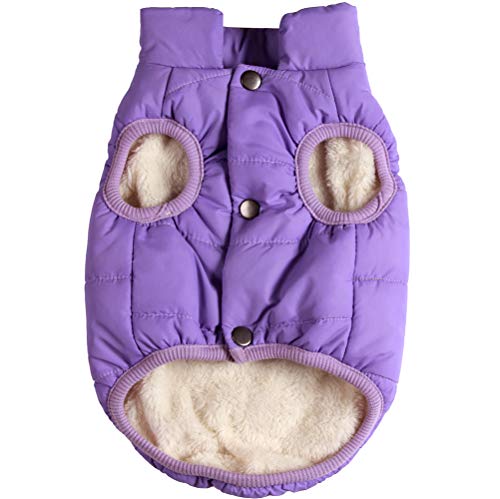
Dog Jackets
A good warm dog coat is essential, especially in colder weather. Look for jackets made from insulating materials like fleece or down, and ensure a snug fit that allows free movement. Waterproof options are also beneficial to keep your dog dry in wet conditions.
Affiliate links are used in this post at no extra cost to you. As an Amazon Associate I earn from qualifying purchases. See my Disclosure and Privacy Policy for more info.


Insulated Blankets
These blankets add a layer of warmth and can be used to line your dog’s sleeping area or wrap them up during downtime. Thermal fleece or synthetic insulation are excellent choices.
Paw Protection
Dog booties and paw balms are essential in cold weather. Boots provide insulation and protect against sharp objects, while balms moisturize and shield against frostbite. Regularly check and clean your dog’s paws to keep them healthy.
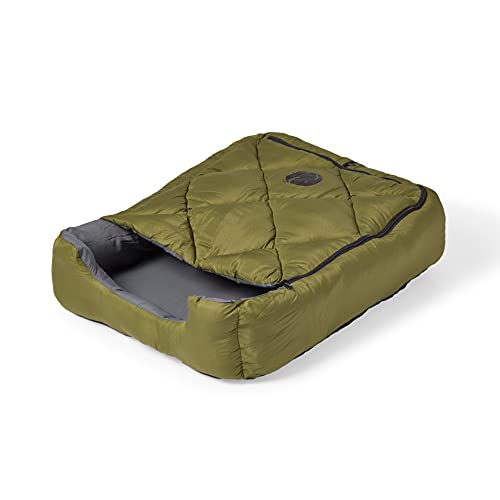
Dog-Friendly Sleeping Bags
A pet sleeping bag designed for dogs keeps them warm at night. Look for options with good insulation, appropriate sizing, and easy entry and exit. Some even come with hoods for added warmth.


Campground Selection: Choosing the Right Spot
Sheltered Areas
Selecting a sheltered campsite is crucial. Natural windbreaks like trees or rocks can block the wind, maintaining a more stable temperature. Avoid exposed sites like open fields or ridge tops, which can be colder and more uncomfortable for your dog.
Tent Setup
Position your tent to minimize wind exposure, and insulate the ground with tarps or foam pads. Create a cozy sleeping area for your dog, away from the tent entrance to avoid drafts.
Campfire and Heating Strategies
Safe Heat Sources: Keeping Your Dog Warm and Safe
One of the most important things to remember is that you need to make sure that you have a safe space for your pup around campfires.
Check PriceCheck PriceCheck PriceCheck Price
Warm Bedding: Insulated Mats and Extra Blankets
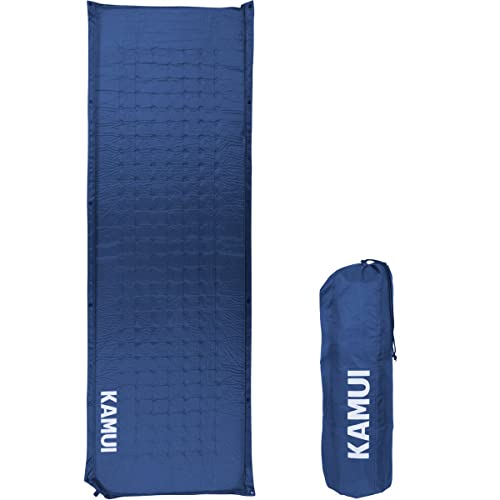
- Insulated Mats
- Barrier Against Cold: Use insulated mats to shield your dog from the cold ground, retaining body heat.
- Choosing the Right Mat: Look for lightweight, durable mats with reflective layers for added warmth.
- Extra Blankets
- Layering for Warmth: Layer blankets to trap air and create insulation, keeping your dog cozy.
- Comfort and Convenience: Choose soft, easy-to-clean blankets that are quick to dry after outdoor use.
- Arranging the Bedding: Place mats under blankets, arranging them to maximize warmth and comfort.




Food and Hydration Tips
Don’t forget to pack the dog food and extra water for your camping trip! Clean water is a must and a great way to help dogs on a cold day.
- High-Calorie Diet: Feeding Your Dog for Warmth
- Extra Calories: Cold weather increases your dog’s energy needs; provide a high-calorie diet to maintain body heat.
- Protein and Fat-Rich Foods: Include lean meats and healthy fats to fuel your dog’s activities and insulation.
- Meal Planning: Offer increased portions and frequent meals to sustain energy levels throughout the day.
- Hydration in Cold Weather
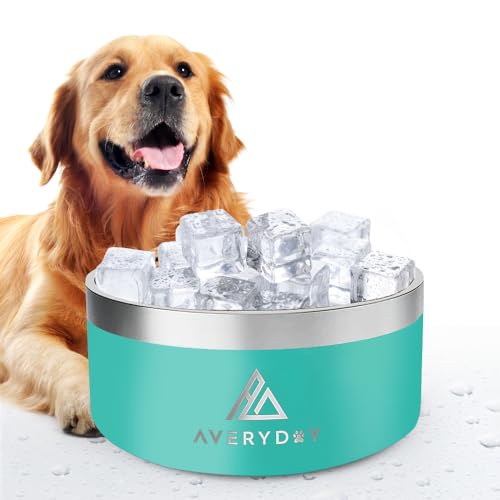
- Prevent Freezing: Use insulated bowls and add warm water regularly to keep it from freezing.
- Encourage Drinking: Offer frequent water breaks and consider adding flavor enhancers to make water more appealing.
- Monitor Hydration: Watch for signs of dehydration and ensure consistent drinking habits.

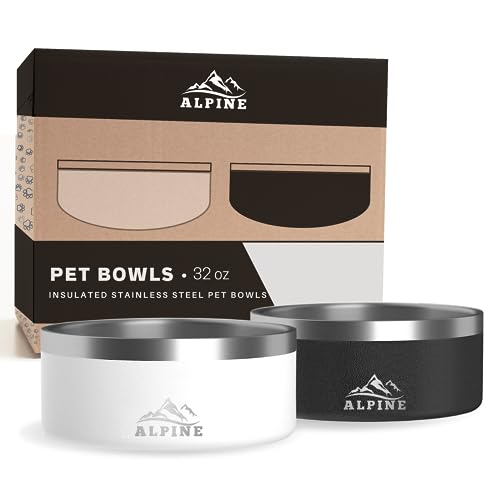
By combining safe heat sources, warm bedding, a high-calorie diet, and proper hydration strategies, you can ensure your dog stays warm and comfortable while camping, even in cold weather.
Monitoring Your Dog’s Comfort
Monitor your dog’s comfort closely while camping in cold weather by recognizing signs of cold stress, taking proactive measures to keep them warm, and knowing how to respond in emergencies. Use active play, snuggling, and appropriate gear to ensure your furry companion stays cozy and safe.
Signs of Cold Stress
Behavioral Indicators:
- Shivering: Your dog’s natural response to cold, indicating they need extra warmth.
- Whining/Whimpering: Vocal signs of discomfort from the cold.
- Lethargy: Sluggish behavior can mean your dog is too cold.
- Seeking Warmth: Snuggling or burrowing behaviors show they’re trying to stay warm.
Physical Indicators:
- Cold Ears, Paws, Body: Feeling cold to the touch means heat loss.
- Pale/Grayish Gums: A sign of reduced blood flow; act immediately.
- Stiffness/Difficulty Moving: Cold can make joints and muscles stiff.
Actions:
- Provide Extra Warmth: Use blankets or a dog jacket.
- Move to a Warmer Area: Inside a tent or near a safe heat source.
- Safe Heat Sources: Heated pads or hot water bottles wrapped in towels.
- Consult a Vet: Severe symptoms need immediate veterinary attention.
Nighttime Check-ins
Tips for Nighttime Warmth:
- Regular Monitoring: Check your dog’s warmth during the night.
- Adjust Bedding: Use insulated mats and extra blankets.
- Heat Sources: Pet-safe heated pads or hot water bottles.
- Keep Area Dry and Draft-Free: Ensure bedding is dry and free from drafts.
- Share Sleeping Space: If comfortable, share warmth by sleeping close.
What to Do in an Emergency
Recognizing Hypothermia
Symptoms:
- Intense Shivering: Early sign of hypothermia.
- Weakness/Lethargy: Lack of energy and movement.
- Pale/Blue Gums: Serious sign of reduced circulation.
- Slow Breathing: Shallow, slow breaths are dangerous.
- Cold Ears, Paws, Body: Indicates severe heat loss.
Immediate Actions:
- Move to Warm Area: Get out of the cold immediately.
- Wrap in Blankets: Layer for insulation.
- Use Warm Water Bottles: Carefully warm your dog’s core temperature.
- Seek Veterinary Care: Hypothermia is a medical emergency.
Emergency Gear
Essential Items:
- Extra Blankets: Fleece or wool for warmth.
- Insulated Mats: Keep the cold ground at bay.
- Dog Jackets: Waterproof, insulating jackets.
- Paw Balms: Protect paws from the cold.
First Aid:
- Thermal Blankets: Space blankets for emergencies.
- Hot Water Bottles: For localized warmth.
- Pet First Aid Kit: Include thermal blankets and paw balms.


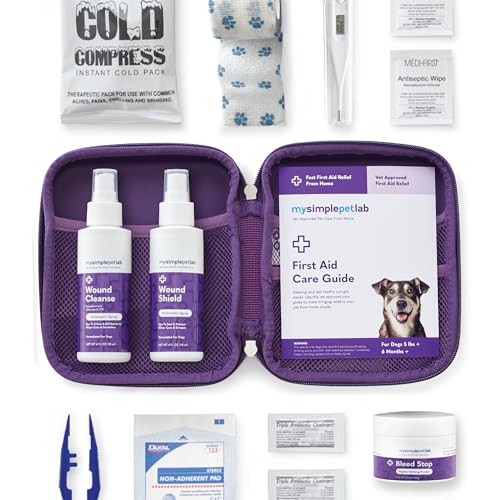
Preparedness:
- Monitor Weather: Adjust plans and gear for sudden cold snaps.
- Regular Check-Ins: Consistent monitoring to avoid emergencies.
- Familiarization: Train your dog with gear before the trip.
Fun Activities to Keep Dogs Warm
All dog breeds love to play and active play gives tons of great options on how to keep warm!
Active Play
Benefits:
- Maintains Body Temperature: Exercise generates heat.
- Boosts Energy Levels: Keeps your dog alert and engaged.
- Strengthens Bond: Shared activities enhance your relationship.
Activity Ideas:
- Hiking: Choose trails that match your dog’s fitness.
- Fetch: Simple, energetic play.
- Agility Exercises: Use natural obstacles to keep your dog moving.
Monitoring:
- Avoid Overexertion: Watch for signs of fatigue.
- Gradual Intensity: Start slow and build up activity.
- Hydration and Nutrition: Keep your dog fueled.
Snuggle Time
Benefits:
- Shared Warmth: Mutual body heat helps both of you.
- Enhanced Comfort: Close contact reduces stress and anxiety.
- Strengthened Bond: Physical closeness deepens your connection.
Creating a Cozy Environment:
- Sleeping Bags: Use one big enough for both of you.
- Layer Blankets: Fleece or wool for insulation.
- Insulated Mats: Create a barrier against the cold ground.
- Draft-Free Zone: Ensure no cold air disturbs your sleep.
Comfort Tips:
- Comfortable Positioning: Find a snuggling position that works.
- Positive Reinforcement: Encourage your dog to snuggle with praise and treats.
- Consistent Warmth: Regularly check and adjust blankets.
By actively monitoring your dog’s comfort and taking proactive steps, you can ensure they enjoy a safe, warm, and joyful camping experience.
With the right great, cold weather camping with your dog can happen! Keeping dogs warm during your winter camping trip is a must – and these tips can help!
Leave a Reply