Ready to experience the great outdoors with a minimalist twist? Say goodbye to the clutter and chaos of traditional camping and embrace the simplicity of minimalist camping. Having less stuff doesn’t mean that you’re not prepared!
You can easily go camping with the bare minimum and use this minimalist packing list as a guide. Leave the unnecessary luxuries at home, and try to only take the camping essentials.
The following camping list includes a lot of the bare necessities for any type of camping. If you’re a minimalist packer, this might help your packing process.
If you’re one who doesn’t quite know what minimalist camping means, this list is the perfect way to show you that you don’t need a ton of camping supplies on your next camping trip!
Happy camping – you can have an enjoyable camping trip with less!

Essential Gear Selection
Choosing the right gear is essential for a successful and enjoyable trip. Let’s take a look at some of the key gear items you should consider including in your minimalist camping list.
Tents
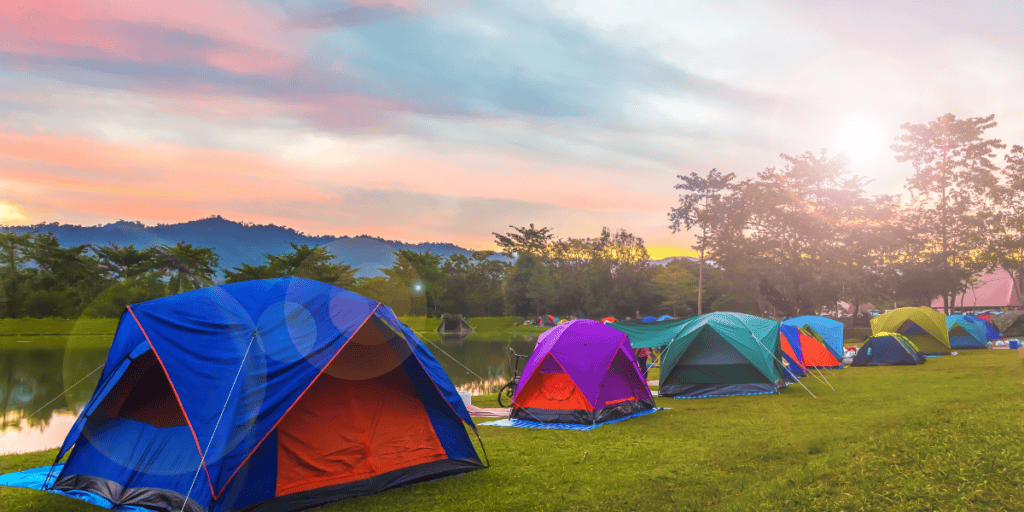
Lightweight tents made from durable materials are a great option for minimalist camping. Look for tents that are easy to set up, saving you time and effort. Consider the size of the tent based on the number of people camping with you.
Tarps
If you’re looking for a versatile and lightweight alternative to traditional tents, tarps are an excellent choice. They provide protection against rain, wind, and sun. Take some time to learn different tarp setups to maximize their functionality.
Sleeping Bags
Opt for lightweight sleeping bags that offer sufficient insulation for your camping needs. Consider the temperature rating of the sleeping bag based on your camping location. Look for compact sleeping bags that are easy to pack and carry.
Sleeping Pads
Sleeping pads provide insulation and cushioning for a comfortable sleep while camping. Choose lightweight and compact sleeping pads suitable for your preferred sleeping position. Inflatable sleeping pads can be a convenient option as they are easy to store and transport.
Backpack Essentials
In addition to shelter and sleeping arrangements, there are some essential items you should pack in your backpack when going minimalist camping.
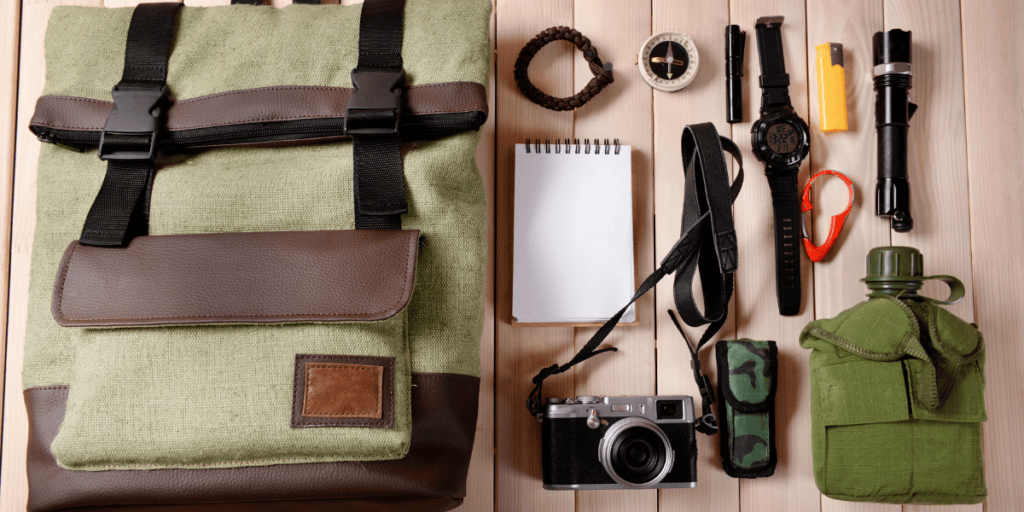
Don’t forget items like a headlamp, knife, lighter, and sunscreen for convenience and safety. It’s also important to include a repair kit with duct tape, extra cords, and patches in case of emergencies.
And lastly, don’t forget to bring a water bottle or hydration bladder to stay hydrated throughout your adventure.
Clothing and Footwear
Having the right clothing and footwear is essential for a comfortable and enjoyable experience in the great outdoors. Let’s take a look at some key considerations.
Clothing Basics
Pack lightweight and moisture-wicking clothing to ensure maximum comfort during your camping trip. Opt for versatile pieces that can be layered according to different weather conditions. This allows you to adapt easily as temperatures fluctuate throughout the day.
Consider choosing quick-drying fabrics that can handle sweat or unexpected rain showers, keeping you dry and comfortable.
Layering Techniques
Layering is an effective way to regulate your body temperature in changing weather conditions. Start with a base layer made of moisture-wicking material that helps keep sweat away from your skin.
Add insulation layers such as fleece or down jackets for warmth, and finish with an outer shell that provides protection against wind, rain, or snow.
It’s important to avoid cotton clothing as it retains moisture, which can make you feel cold and uncomfortable.
Footwear Choices
Selecting the right footwear is crucial for a successful camping trip. Choose comfortable and lightweight hiking boots or trail shoes that provide adequate support and traction on various terrains.
Consider the specific terrain and weather conditions you’ll encounter during your adventure when making your footwear selection. It’s also recommended to break in new shoes before your camping trip to prevent blisters and ensure optimal comfort.
Food and Water Necessities
It’s important to pack food and water essentials that are compact, lightweight, and easy to prepare.
Here are some tips for making the most of your camping meals:
Compact Nutrition
Opt for lightweight and nutrient-dense food options like dehydrated meals or energy bars. These foods provide the necessary sustenance without adding unnecessary weight to your backpack.
Planning your meals ahead of time is also crucial in minimizing the amount of food you need to carry. Consider packing foods that require minimal cooking or preparation, such as instant oatmeal or pre-cut fruits and vegetables.
Water Purification
Safe drinking water is essential during any camping trip. Carry a water filter or purification tablets to ensure that you have access to clean water wherever you go.
Before heading out, research the water sources at your camping location so you can plan accordingly. Staying hydrated is vital, so make sure you drink enough water throughout your trip.
Cooking Gear
Choosing the right cooking gear is key. Opt for lightweight cookware and utensils that are specifically designed for outdoor use. Look for multi-purpose items like a pot with a built-in strainer or a spork (a combination of spoon and fork).
These items save space in your backpack while still providing all the necessary tools for cooking efficiently.
Consider using compact stoves or portable grills for cooking meals on-the-go. These devices are designed to be lightweight and easy to transport, making them ideal for minimalist campers who value simplicity and efficiency.
Navigation and Tools
Being prepared with the right navigation tools is essential for a successful trip. Here are some key points to keep in mind:
Maps and Compasses
Always carry detailed maps of the area you’ll be camping in. These maps will help you navigate through unfamiliar terrain and find your way back to camp. Take the time to study the maps before your trip, familiarizing yourself with landmarks and key points that can serve as reference points.
In addition to maps, it’s important to know how to use a compass. A compass can help you determine which direction you’re heading in, even if you don’t have access to GPS or other electronic devices. Learning basic compass skills will give you confidence in navigating through the wilderness.
Multi-Tools
A multi-tool is an indispensable item for any minimalist camper. Look for a compact and durable option that won’t weigh you down. A good multi-tool should include essential tools like pliers, knives, screwdrivers, and more.
Having a multi-tool on hand can come in handy for various tasks during your camping trip. Whether it’s repairing gear, opening cans, or cutting rope, a multi-tool provides versatility without taking up much space in your backpack.
Safety and First Aid
Safety should always be a top priority. Being prepared with the right safety measures and first aid supplies can make a big difference in case of emergencies.
Here are some important points to consider:
First Aid Kit
A compact first aid kit is an essential item for any camping trip. Make sure it includes items like bandages, antiseptic wipes, and pain relievers.
Customize your kit based on any specific medical needs or allergies you may have. It’s also a good idea to familiarize yourself with basic first aid procedures before your trip.
Emergency Signals
Knowing how to signal for help in case of an emergency is crucial when camping. Carry signaling devices like whistles or signal mirrors that can be easily heard or seen from a distance. Learn the universal distress signals so that others can recognize that you need assistance.
It’s important to have a fully charged cell phone or satellite communication device with you for emergencies.
Environmental Considerations
It’s important to consider the impact we have on the environment. By following a few simple guidelines, we can ensure that our camping experience is not only enjoyable but also sustainable for future generations.
Leave No Trace
One of the key principles of minimalist camping is to leave no trace behind. This means minimizing our impact on the natural surroundings and leaving the campsite as we found it. To achieve this:
- Pack out all trash: Make sure to bring garbage bags and pack out all your trash. Leave nothing behind except footprints.
- Dispose of waste properly: Use designated waste disposal facilities or bury human waste at least 200 feet away from water sources.
- Respect wildlife and their habitats: Observe wildlife from a distance, keeping in mind that they are wild animals and should not be approached or fed.
Wildlife Awareness
Before setting up camp, take some time to research the local wildlife in the area you’ll be visiting. Understanding their behavior can help you avoid any potential conflicts. Here are a few tips:
- Store food securely: Keep your food stored in bear-resistant containers or hang it from a tree branch at least 10 feet off the ground and 4 feet away from any trunk or limb.
- Prevent attracting animals: Avoid bringing strong-smelling food items that may attract wildlife to your campsite.
- Observe from a safe distance: Enjoy observing wildlife from afar, using binoculars if needed. Remember that getting too close can disturb their natural behavior.
Campsite Setup and Maintenance
Setting up and maintaining your campsite is an essential part of the experience.
Selecting a Site
To begin, it’s important to choose a suitable campsite that meets your needs while minimizing your impact on the environment. Look for established campsites or designated areas as they are designed to handle camping activities without causing harm.
These sites usually have amenities such as fire pits, picnic tables, and access to water sources.
Consider factors like access to water, shelter from wind or rain, and proximity to trails or other recreational activities. It’s also crucial to follow any regulations or permits required for camping in the area. This ensures that you are respecting local rules and protecting the natural environment.
Minimizing Impact
Once you’ve selected a campsite, it’s vital to minimize your impact on the surrounding ecosystem. Camp on durable surfaces like established campsites or bare ground rather than delicate vegetation. This helps prevent erosion and damage caused by trampling.
Avoid trampling vegetation and disturbing natural features such as rocks or fallen trees. Leave them undisturbed so that future campers can enjoy them too.
When washing dishes or bathing outdoors, use biodegradable soap instead of harsh chemicals that can pollute water sources. Biodegradable soap breaks down naturally over time without harming the environment.
Entertainment and Leisure
Entertainment and leisure don’t have to be complicated. You can still enjoy your time in nature without the need for excessive gadgets or equipment.
Here are some simple ways to entertain yourself while camping:
Lightweight Hobbies
Engage in lightweight hobbies that allow you to connect with nature on a deeper level. Consider activities like birdwatching, stargazing, or photography. These hobbies require minimal equipment and can provide hours of enjoyment.
Bring along a small notebook where you can journal your thoughts or sketch the beautiful scenes around you. This allows you to capture your experiences and memories while embracing the simplicity of nature.
One of the benefits of minimalist camping is disconnecting from technology. Take this opportunity to leave behind distractions like smartphones and tablets.
Embrace the quietness and peace that comes with being unplugged, allowing yourself to fully immerse in the beauty of your surroundings.
Enjoying Nature
Camping provides an excellent opportunity to appreciate the wonders of nature. Take time during your trip to slow down and observe the world around you.
Practice mindfulness by engaging your senses in nature’s sights, sounds, and smells. Listen to the melodious chirping of birds, feel the cool breeze against your skin, or breathe in the refreshing scent of pine trees. These simple acts can help you feel more connected to the natural world.
Disconnecting from distractions allows you to fully embrace the peacefulness of the outdoors. Use this time as an opportunity for self-reflection and rejuvenation. Allow yourself moments of stillness and solitude as you soak in all that nature has to offer.
Tips for a Successful Minimalist Camping Trip
There are a few key tips that can help ensure a successful and enjoyable experience. From thorough research and preparation to efficient packing strategies, these tips will help you make the most of your minimalist adventure.
Planning and Research
Before embarking on your camping trip, take the time to thoroughly research your destination. This will allow you to understand its unique features and challenges, ensuring that you are well-prepared.
Look into available activities and attractions in the area so you can plan your itinerary accordingly. Check if any permits or reservations are required in advance to avoid any last-minute complications.
Packing Strategies
Efficient packing is essential for a minimalist camping trip. Utilize packing cubes or compression sacks to maximize space in your backpack. These handy tools help compress clothing and other items, allowing you to fit more while keeping everything organized.
Another space-saving technique is rolling clothes instead of folding them, which not only saves space but also minimizes wrinkles.
When packing your backpack, distribute weight evenly for better balance and comfort throughout your journey.
Conclusion
And there you have it! Your ultimate minimalist camping checklist is complete. With the essential gear, clothing, food, navigation tools, and safety considerations covered, you’re ready to embark on your next adventure in the great outdoors.
Remember, the key to minimalist camping is to pack light and focus on the essentials. Leave behind the unnecessary clutter and embrace the freedom of simplicity.
Now that you have all the knowledge and tools at your disposal, it’s time to put them into action. Plan your trip, gather your gear, and head out into nature. Experience the joy of disconnecting from the chaos of everyday life and reconnecting with yourself and the world around you. So go ahead, pack your bags, leave no trace, and create memories that will last a lifetime.
What is minimalist camping?
Minimalist camping is a style of camping that focuses on simplicity and reducing the amount of gear and equipment you bring. It involves packing only the essentials, allowing you to enjoy nature with less clutter and distractions.
What essential gear do I need for minimalist camping?
For minimalist camping, essential gear includes a lightweight tent or hammock, a sleeping bag or quilt, a backpack, a headlamp or flashlight, a multi-purpose knife or tool, and a water filtration system. These items will provide you with the basic necessities while keeping your pack light.
Some people will want different things for camping which can include insect repellent, a sleeping pad, camp stove, toilet paper, camp chairs, extra food supplies, small hydration packs, and other items for RV camping. The good news is that you can bring or leave any items that you want.
What clothing and footwear should I bring for minimalist camping?
Opt for versatile items that are suitable for various weather conditions. Pack quick-drying clothes made of moisture-wicking materials, along with sturdy hiking boots or trail running shoes that offer comfort and support.
How can I ensure food and water necessities while practicing minimalist camping?
To meet your food and water needs during minimalist camping, choose lightweight dehydrated meals or easy-to-cook options that require minimal preparation.
Carry a reliable water filtration system to purify water from natural sources such as streams or lakes.
How can I stay safe during minimalist camping trips?
To ensure safety during minimalist camping trips, carry essential navigation tools like maps and compasses. Familiarize yourself with the area beforehand to avoid getting lost.
Pack a well-stocked first aid kit, including items like bandages, antiseptic wipes, pain relievers, and any necessary prescription medications.
Leave a Reply